Choose a landscape, not just a peak-color date
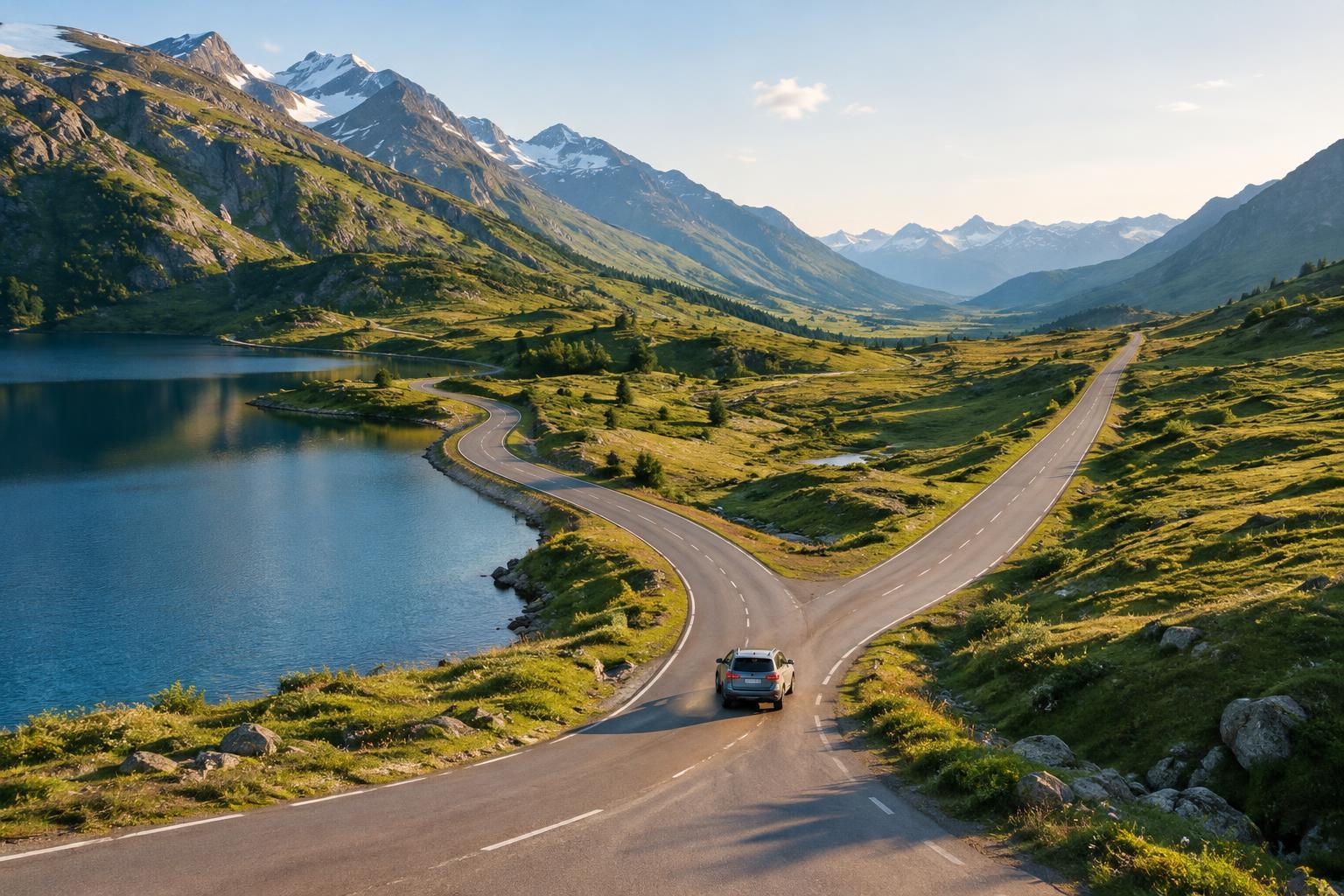
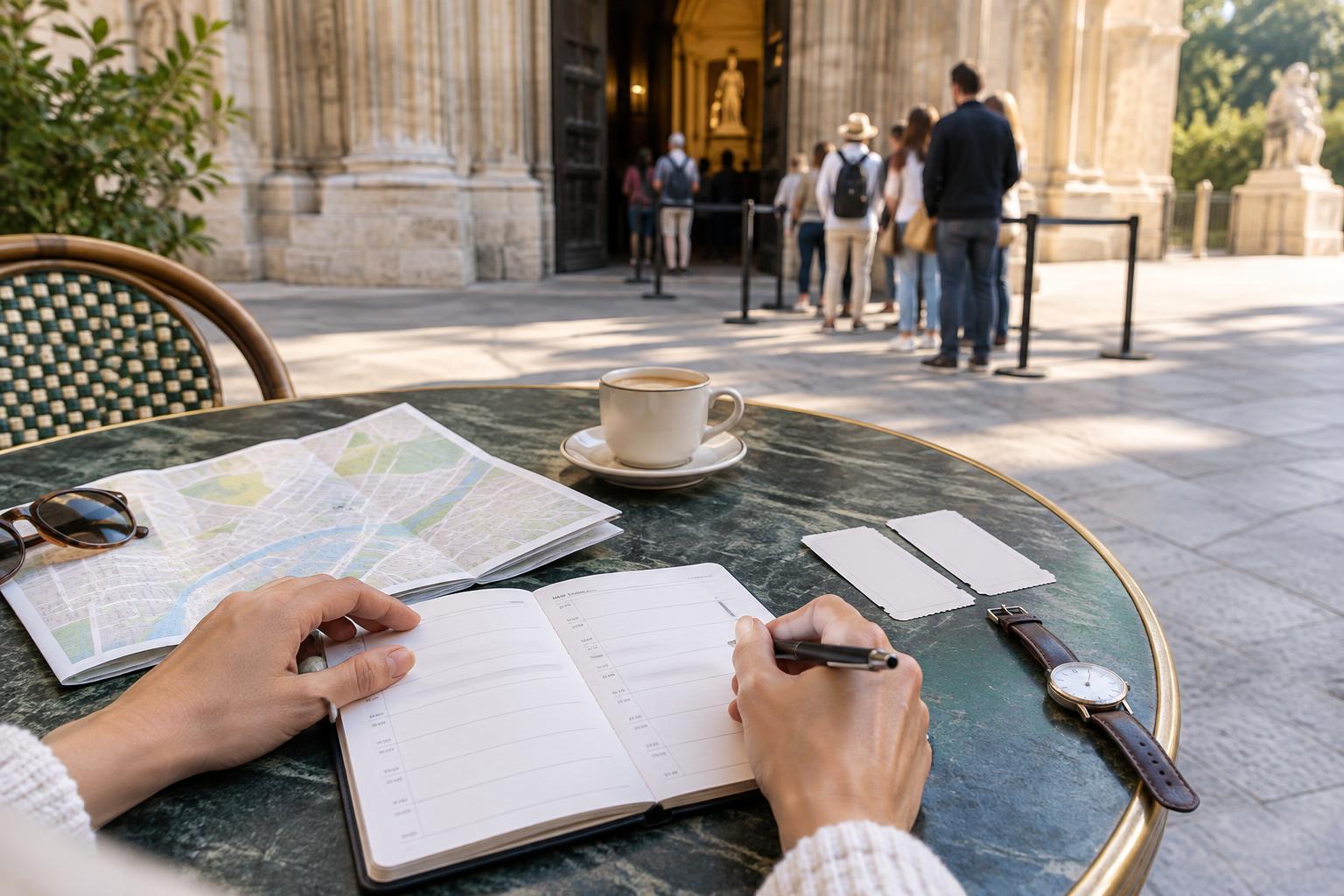
A trip built around autumn color can take many forms: a forest walk, a train ride past hillsides, a city garden visit, or a few quiet days beside a lake. Before choosing a destination, decide what you would enjoy doing even if the leaves are not at their brightest. Food, museums, hiking, and small-town stops can turn uncertain foliage timing into one part of a satisfying trip rather than its sole purpose.
Color usually progresses differently across elevations and local climates, and weather can change how long it lasts. Instead of booking around a single predicted peak day, allow several days in an area with varied scenery. If your schedule is fixed, choose a region where you can reach more than one elevation or landscape without spending the whole trip in transit.
Eastern North America: forests with room to roam
For travelers coming from farther afield, New England and eastern Canada offer a classic mix of hardwood forests, lakes, villages, and walking trails. A base near several public parks can be more useful than an ambitious route that changes hotels every night. Spend one day on a short woodland trail, another beside a lake, and leave time for a scenic drive with stops you can actually enjoy.
The Appalachian region offers another approach. Mountain roads and trails can provide contrasting views at different elevations, which may help when color varies from valley to ridge. Check road conditions and trail difficulty before setting out, especially where daylight is shortening. Popular viewpoints can be busy; an early start or a lesser-known walking route may make the experience calmer without requiring a long, demanding hike.
Europe: pair foliage with towns and rail travel
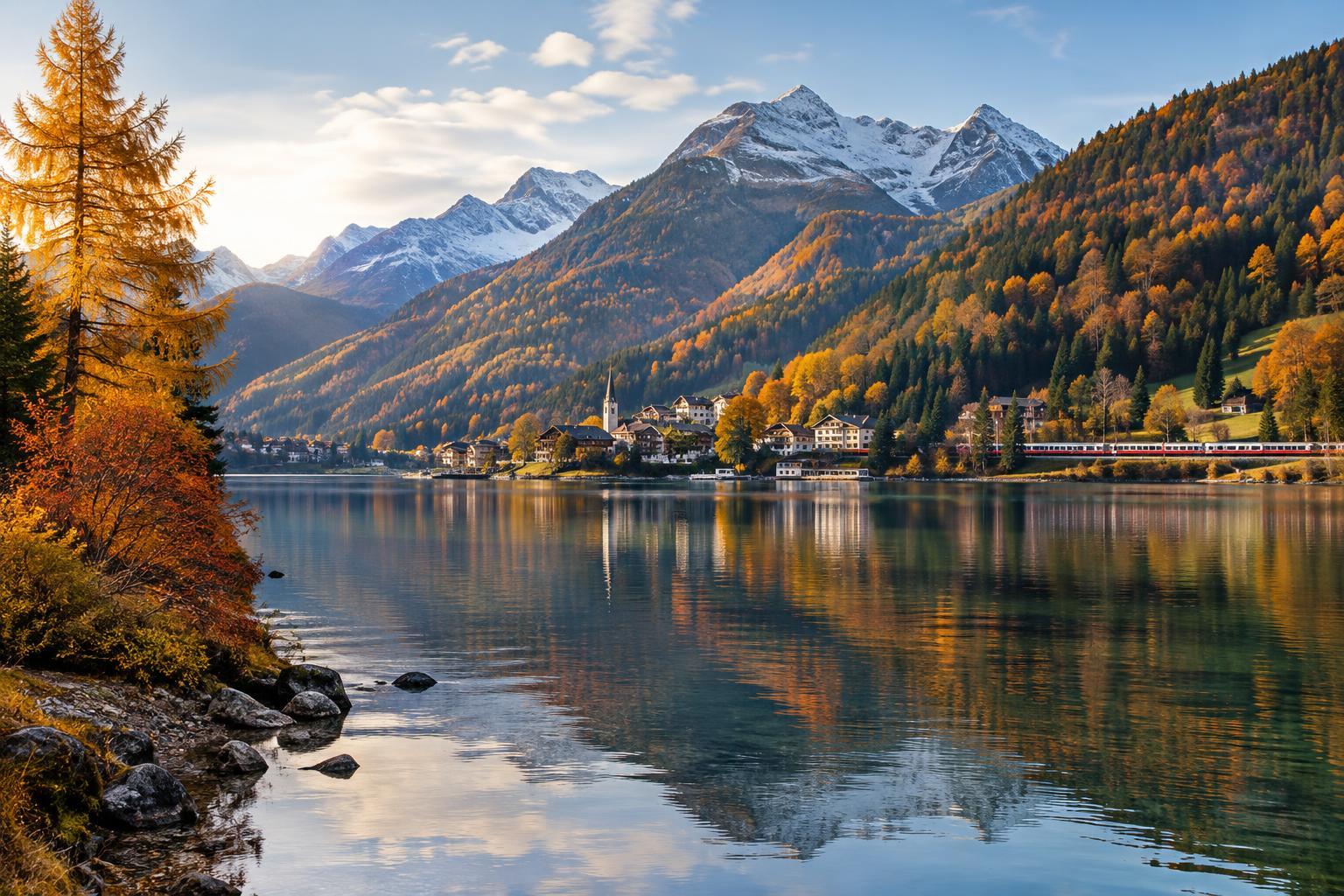
Parts of Central Europe make it easy to combine autumn walks with cultural stops. In southern Germany or Austria, for example, wooded hills, lakeside paths, and mountain towns can fit into a trip that also includes markets, museums, and local meals. Alpine scenery is a draw, but higher routes may feel wintry while lower areas still look autumnal. Pack layers and keep at least one lower-elevation plan available.
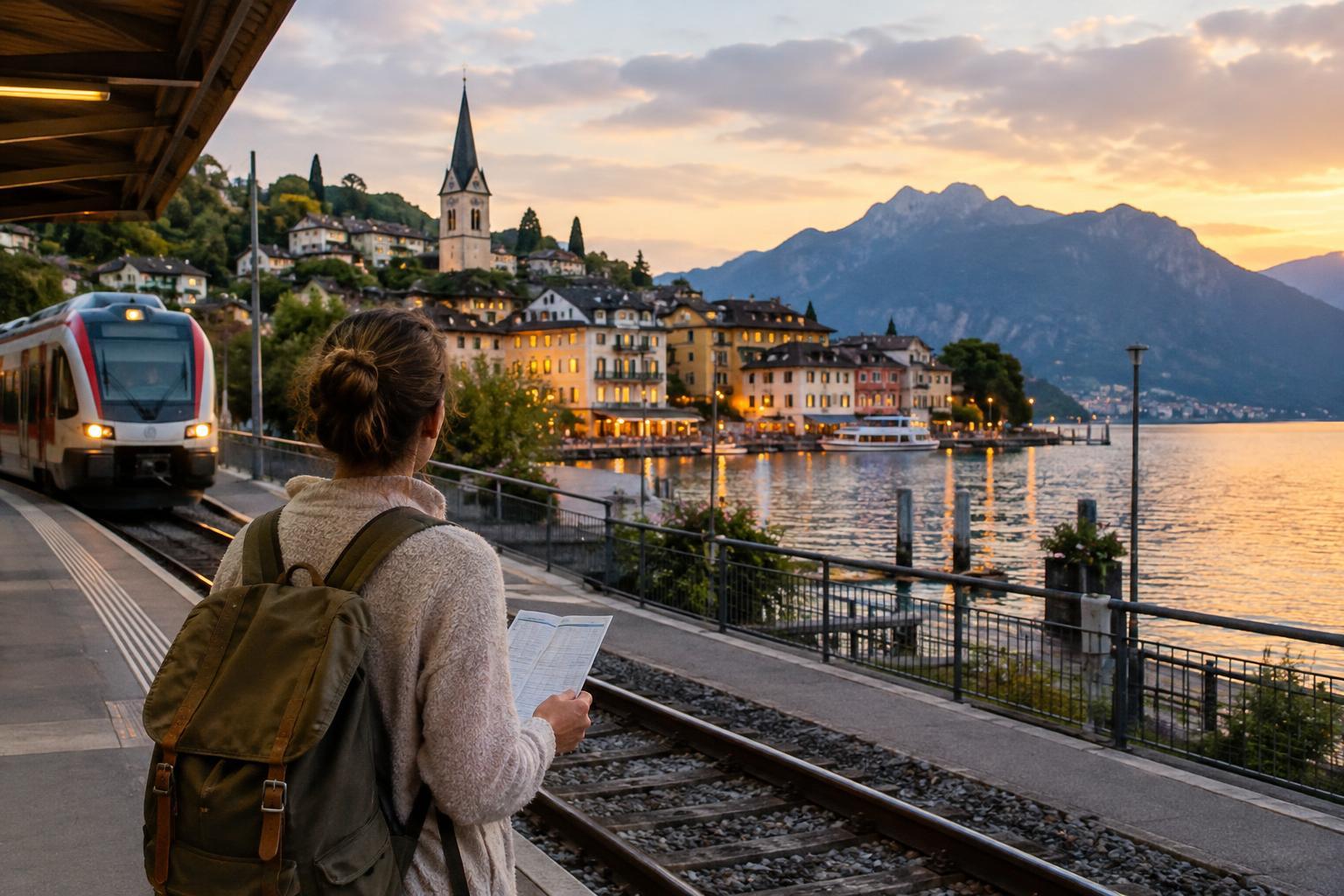
A slower itinerary often works well here: choose one or two bases linked by train, then use local transport or short walks for day trips. This limits the cost and effort of moving luggage and gives you alternatives when a mountain view is hidden by cloud. Confirm seasonal transport and attraction schedules before booking around a particular excursion.
East Asia: gardens, temples, and mountain paths
Japan and South Korea offer autumn-color trips that can blend natural scenery with city stays. In Japan, a traveler might combine a major city with a nearby garden or wooded walking area, rather than trying to cross the country in search of the perfect leaves. In South Korea, urban parks and accessible mountain trails can serve a similar purpose. Both approaches leave room for architecture, food, and neighborhood exploration.
Expect differences between a city garden, a mountain slope, and a northern region; they will not necessarily change color together. Choose transport and accommodation based on the full itinerary, not an assumed foliage timetable. At well-known sites, follow marked paths and any entry rules, and consider visiting at a quieter time of day. That makes the visit easier on you and on the place you came to see.
Southern Hemisphere: an autumn trip at another time of year
If your own autumn is already committed, New Zealand and southern Chile offer the possibility of an autumn-color journey during the Southern Hemisphere’s fall, generally around March through May. In New Zealand, lakeside towns and walking routes can provide a mix of planted trees and dramatic mountain backdrops. Southern Chile offers forested landscapes that reward travelers who are comfortable with changeable conditions and longer travel distances.
These trips call for a different budget and pace from a nearby weekend escape. Compare the cost of reaching a region with the time you will actually have there, and avoid packing too many distant stops into a short stay. Wherever you go, check local seasonal conditions close to departure, carry clothing for rain and cool temperatures, and keep one flexible day. The best autumn-color itinerary is one you can enjoy in the weather and light you encounter—not only in the version you imagined.