Treat meals as part of the day’s timing
It is easy to fill a travel itinerary with sights and leave meals as a vague detail to work out later. But finding somewhere to eat takes time, especially when you are tired, in an unfamiliar neighborhood or trying to make a timed booking. You do not need to choose every restaurant in advance. You do need to leave realistic space for eating and getting there.
Start by looking at the shape of each day. An early departure may call for breakfast near your accommodation or something portable. A long museum visit might be easier with a lunch break before you enter, rather than an uncertain search afterward. If dinner follows a late arrival, check whether you will have a convenient option near your accommodation instead of assuming you will want to cross town again.
Think in terms of meal windows rather than fixed times. A loose window helps you spot conflicts: a midday tour, for example, might leave little opportunity for lunch unless you eat beforehand. It also preserves the freedom to stop when you find an appealing place.
Plan by location, not just by cuisine
A restaurant that looks perfect on a list may be awkward if it sits far from everything else you plan to do. For each day, identify the neighborhood where you are likely to be around lunchtime and the area where you expect to finish. Then look for meal options within a comfortable distance of those places. This keeps food plans from creating unnecessary journeys across town.
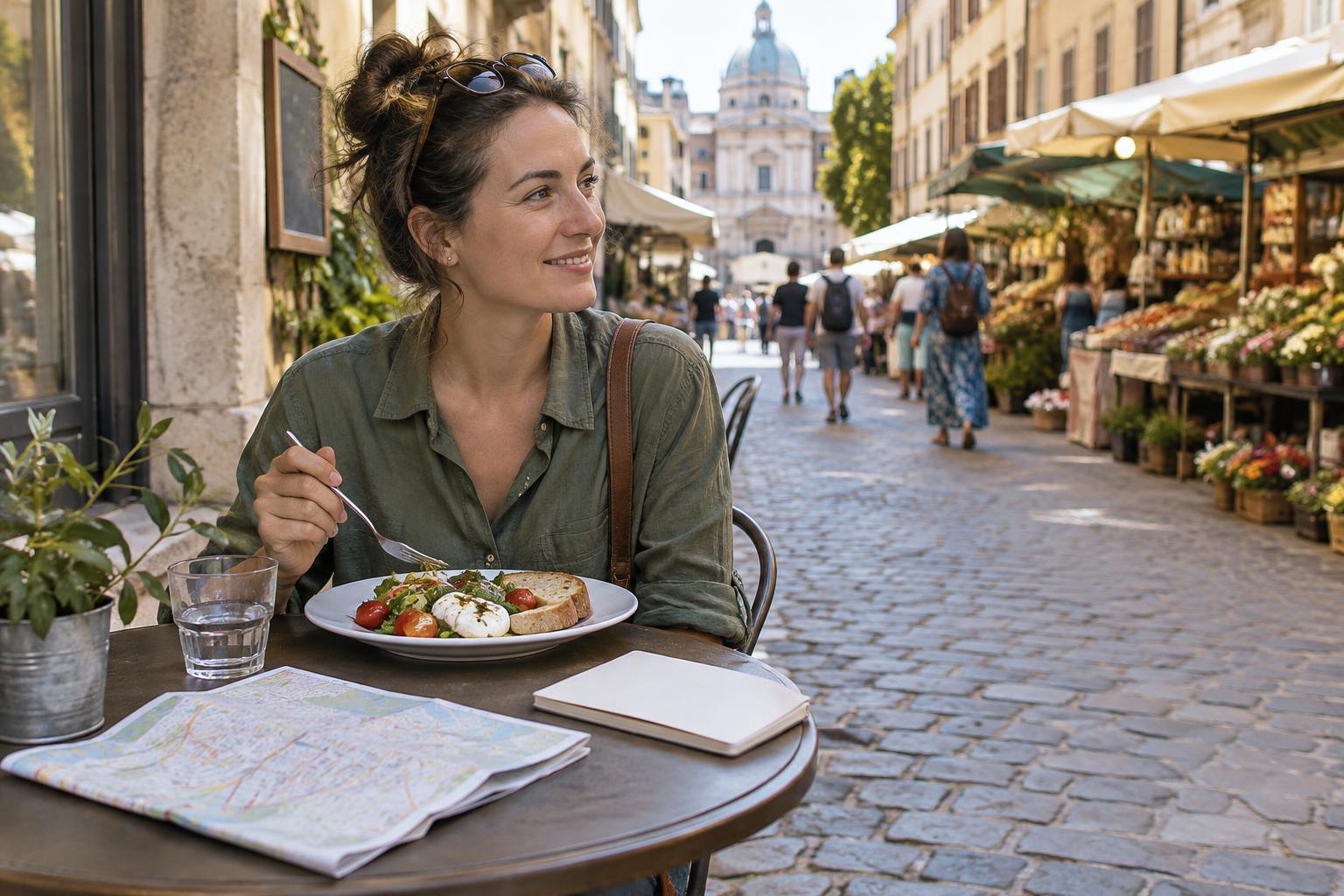
Give yourself more than one option when the meal is not the main event. You might note a casual place near a major sight, a market area and a simple fallback close to your next stop. That is often more useful than a single restaurant reservation that requires you to leave an activity early.
Location matters differently for a meal you are especially excited about. If a cooking class, tasting menu or particular market is a trip highlight, let it help shape the day’s route. Place nearby activities around it, and allow enough time to arrive without rushing. A food experience can be the anchor of an itinerary rather than something squeezed between attractions.
Reserve selectively and leave room for discovery
Book ahead when missing a particular meal would genuinely disappoint you, or when a food experience has limited places. For an ordinary breakfast or lunch, keeping plans open may be more enjoyable. The right balance depends on your destination, your travel companions and how much certainty you prefer, so avoid turning every meal into an appointment simply because you can.
Before committing to a reservation, check how it fits with the rest of the day. A long excursion may run later than expected; a dinner booking immediately afterward could become stressful. Note any booking conditions, and make sure everyone in your group is comfortable with the timing and cost before you build other plans around it.
Unplanned meals deserve space too. You may notice an inviting café while walking, decide to linger at a market or feel ready for a quiet evening instead of a formal dinner. Keeping some meals flexible lets you respond to the day you are actually having, not just the one you imagined at home.
Make a simple backup plan for busy days
The days most likely to need a food backup are travel days, tightly scheduled sightseeing days and evenings when you expect to be tired. For each one, note a low-effort option: food near a station, a grocery stop on the way back or a few places close to your accommodation. A backup is not a second itinerary; it is a way to avoid making a decision from scratch when everyone is hungry.
If anyone in your group has dietary needs, check suitable options before the busiest days and allow time to find them. Likewise, if keeping costs predictable matters, mix planned food experiences with simpler meals. A picnic, takeaway or grocery breakfast can free up both money and time for a meal you care about more.
Finally, share the rough meal plan with your travel companions. Ask which food experiences matter to them and whether they prefer regular breaks or are happy to eat on the move. An itinerary works better when its meal rhythm suits the people following it. Plan enough to stay comfortable, then leave room for the places you discover along the way.