What makes a good northern lights destination?
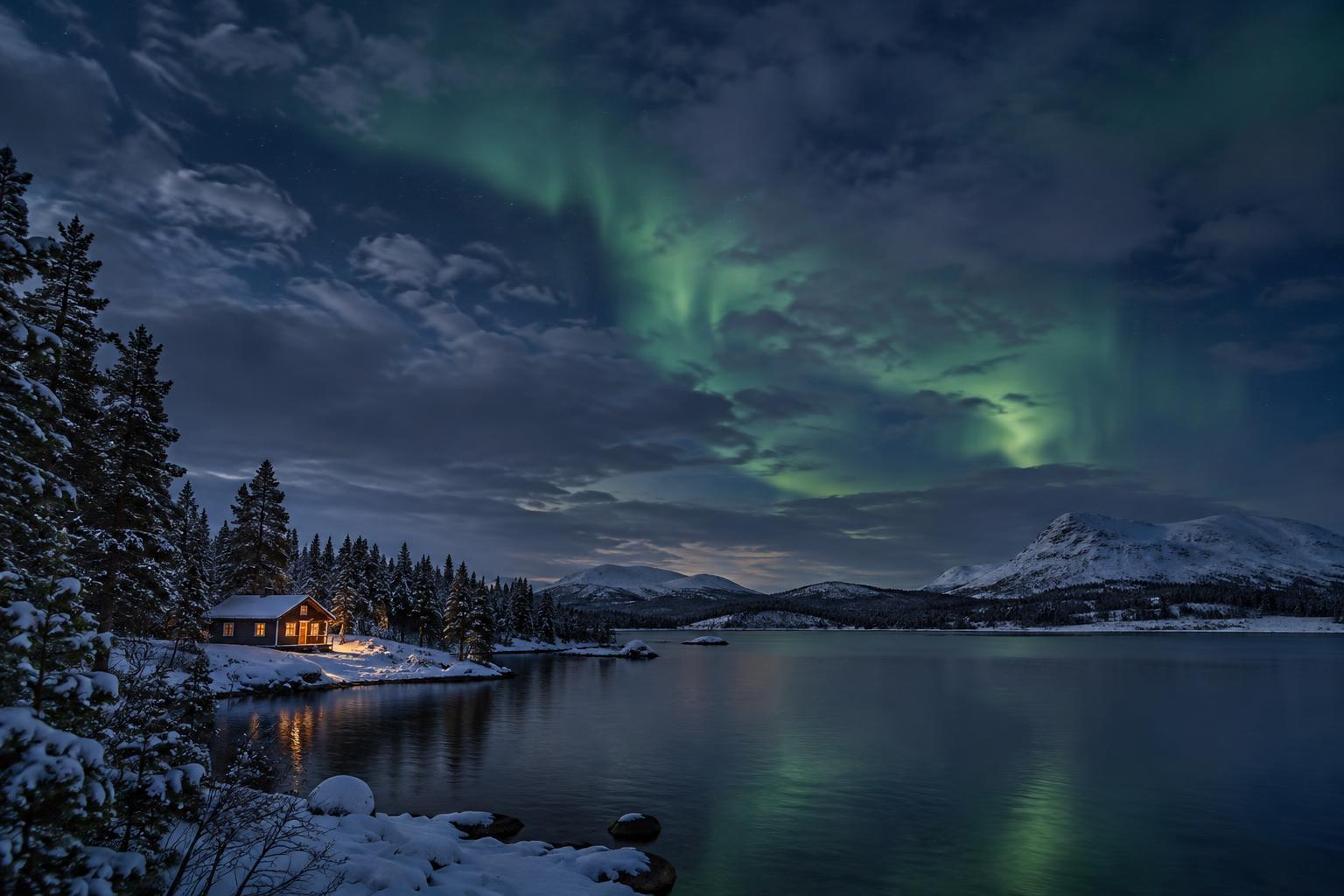
Seeing the northern lights takes more than reaching a northern latitude. You need enough darkness, a reasonably clear view of the sky and auroral activity at the same time. Artificial light can make a faint display harder to see, while clouds can hide even a strong one. No destination or guided tour can guarantee a sighting.
For most travelers, autumn through early spring offers the useful combination of long nights and visitor services. The darkest months give you more hours to look, but they can also bring colder temperatures and more demanding travel conditions. Give yourself several nights rather than treating the aurora as a one-evening appointment. Choose a place with daytime activities you genuinely want to do, so the trip still feels worthwhile if the sky stays quiet.
Scandinavia: easy bases and varied landscapes
Tromsø, Norway, is a convenient choice if you want restaurants, museums and organized excursions alongside aurora watching. It suits a traveler who would rather stay in one lively base than manage a remote cabin. Coastal weather can be changeable, however, so flexibility matters. Some tours travel away from local cloud cover, but a long drive is not a promise of clear skies.
Swedish Lapland, including the area around Kiruna and Abisko, appeals to travelers who want snowy landscapes and a quieter stay. Abisko is often chosen for its viewing setting, yet conditions still vary from night to night. Check how you would reach your accommodation, whether you can step outside to watch and how you would get around without a car. In Finnish Lapland, bases such as Rovaniemi offer a broad choice of winter activities and lodging; smaller towns may offer darker surroundings with fewer conveniences. A glass-roofed room can be memorable, but ordinary accommodation near a suitable viewing spot may leave more room in the budget for extra nights.
Iceland: a flexible road trip, with weather caveats
Iceland works well when the aurora is one part of a larger trip built around waterfalls, geothermal landscapes and coastal scenery. Reykjavík makes a straightforward base for tours, while staying outside the capital can reduce nearby artificial light. Neither approach removes the main obstacle: cloud cover. If you plan to drive to viewing spots, allow time for changing road and weather conditions rather than building an itinerary that depends on a late-night dash.
Iceland can feel especially rewarding for travelers who want dramatic daytime sightseeing even if they never see the lights. Keep your route modest in winter, check local driving guidance before setting out and avoid stopping where you would obstruct traffic. A guided outing may be preferable if you are uncomfortable navigating unfamiliar roads after dark.
Alaska and northern Canada: longer journeys, darker settings
Fairbanks, Alaska, is a practical North American base for travelers willing to make aurora watching a central part of their trip. You can choose between town-based lodging and stays farther from artificial light. Plan carefully for cold weather and the journey back after a late night outdoors; a viewing location is only useful if you can reach it safely.
In Canada, the Yukon and the area around Yellowknife are options for travelers drawn to northern scenery and dedicated aurora trips. Depending on where you start, flights, onward transport and accommodation may take more planning than a city break. Compare the whole trip cost, not just the nightly room rate. An organized package may simplify transfers and nighttime outings, while an independent trip gives you more control if you are comfortable with the logistics.
Plan for the experience, not the perfect photograph
Before booking, compare destinations by travel time, daylight activities, likely comfort in cold conditions and the number of nights you can afford. A shorter journey with four chances to look may suit you better than a costly remote stay with only one. Check what a tour includes: transport, warm shelter, clothing and the policy for a night without a sighting can differ.
Once there, monitor local weather and aurora information, but treat forecasts as planning aids rather than guarantees. Find a safe place with an open view, dress for standing still and give your eyes time to adjust to darkness. Displays may appear subtle to the eye, especially compared with long-exposure photographs. Let the northern lights be the hoped-for highlight of a trip with plenty else to enjoy.