Start with the day you actually have
A place can look close on a map and still make for an exhausting day trip. Before choosing, sketch the entire outing from your accommodation door back to that same door. Include the walk to the station, time spent collecting a rental car, possible transfers, and the journey from the arrival point to the sights you want to see. Then check how those travel blocks fit around opening hours and your own energy.
A day trip works best when travel leaves a comfortable stretch of time at the destination. It is particularly appealing if you have one or two clear priorities, such as a museum and a neighborhood walk, or a short hike followed by lunch. If reaching the destination takes much of the morning and returning takes much of the evening, an overnight stay may turn a rushed visit into a satisfying one.
Think about the experience, not just the distance
Some places suit a focused visit. A historic center with compact sights, a beach you want to enjoy for an afternoon, or a town with a single event on your itinerary may be easy to explore without changing hotels. A day trip also lets you keep your main base, avoid repacking and return to familiar surroundings at night.
Other experiences benefit from unhurried time. Staying overnight gives you room for a long dinner, an early walk before you leave, or a landscape that you hope to see in gentler morning or evening light. It can also make sense when your plans include a substantial hike, several widely spaced stops or an activity that starts early. Ask what you would regret missing if you had to leave by midafternoon; the answer often reveals whether one day is enough.
Check the return journey before committing
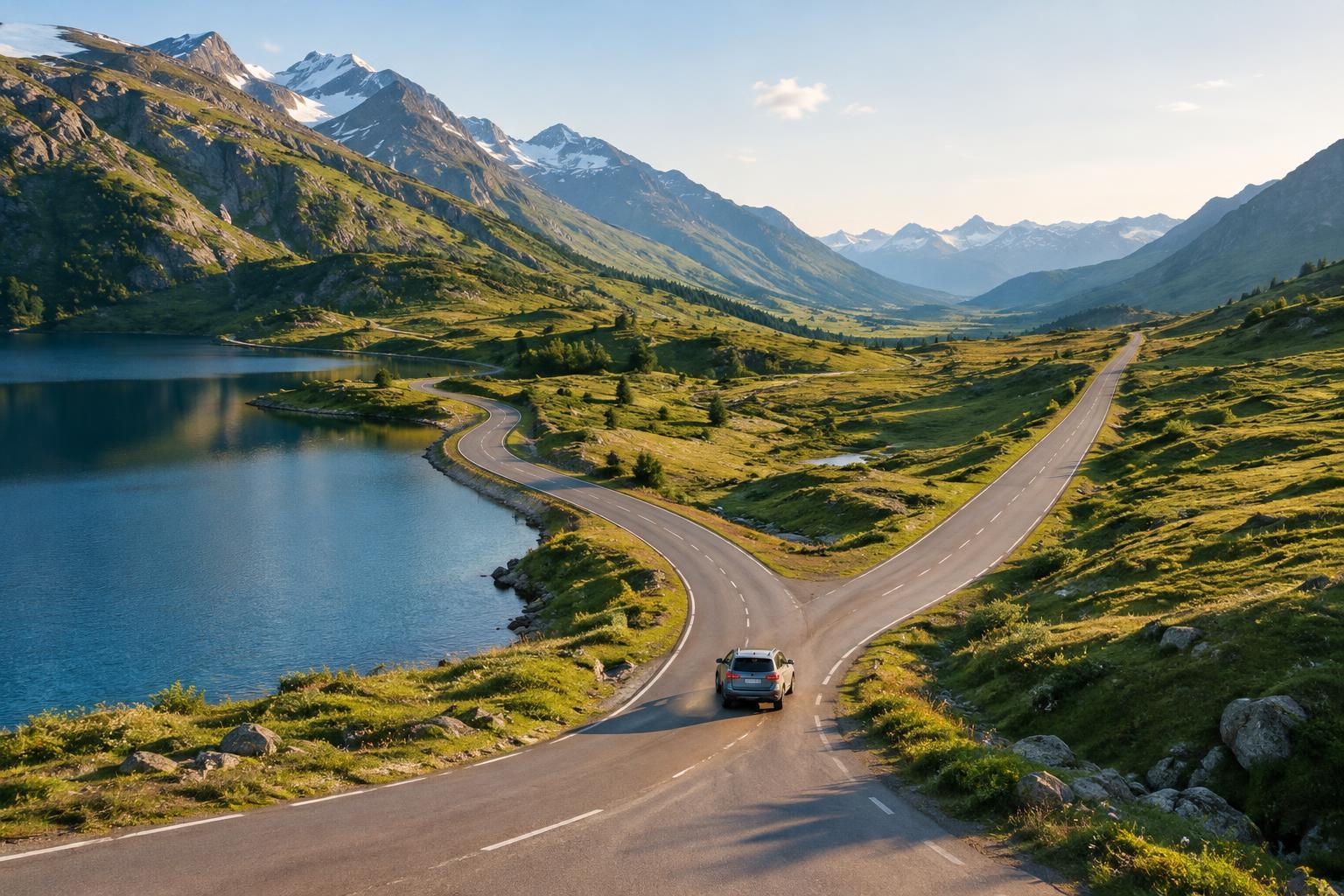
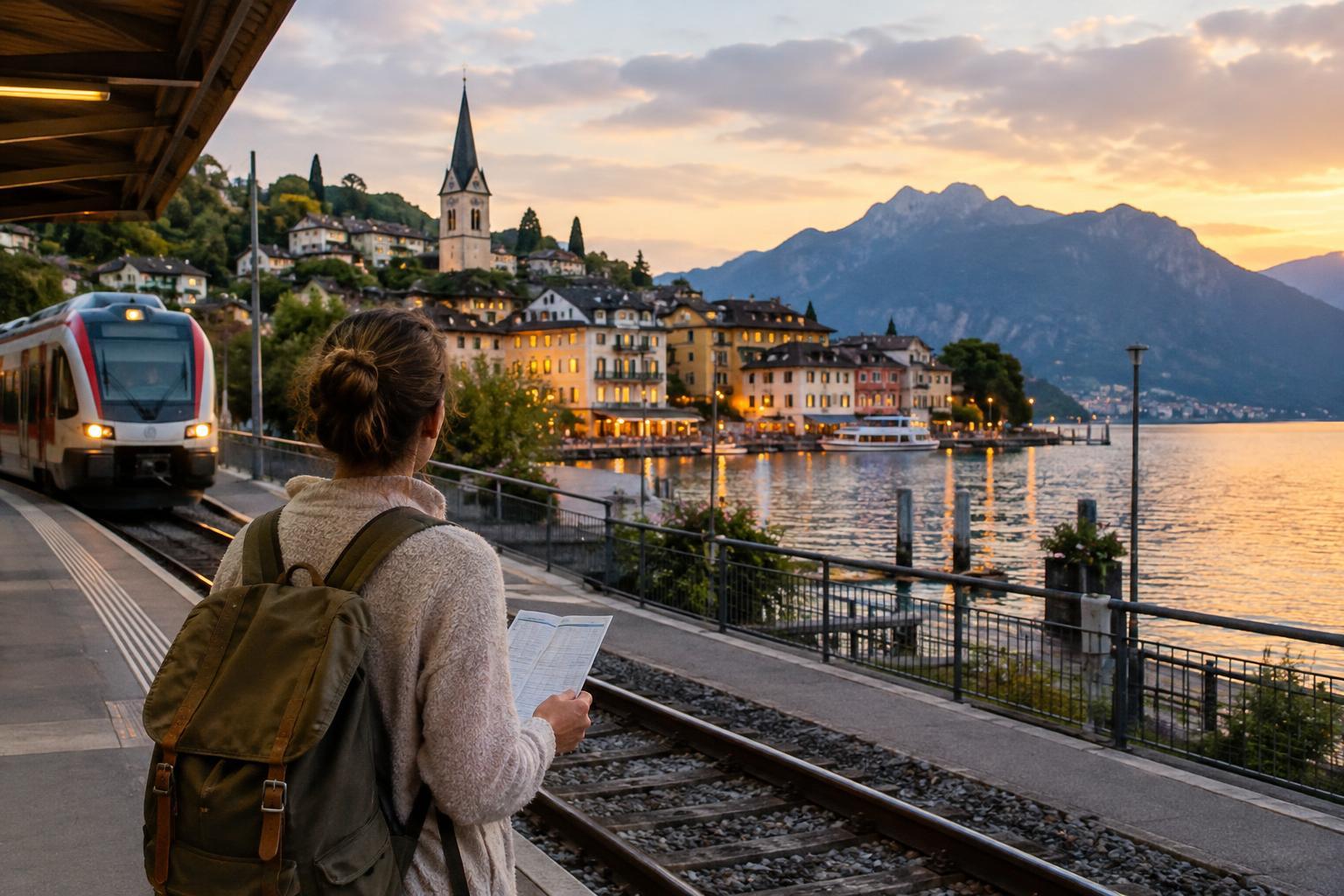
For a day trip, the trip back matters as much as the trip out. Look at the last practical train, bus, ferry or shuttle, and note how frequently earlier services run. If missing one connection would leave you stranded or require an expensive alternative, build in a generous buffer. Driving gives you more control over departure time, but you still need to consider fatigue, unfamiliar roads and whether you would be comfortable returning after dark.
An overnight stay can reduce the pressure of a narrow return window. It is especially useful when transport is infrequent or when weather could affect an outdoor activity. Even then, check the following day’s onward journey before booking a room. An overnight stop is less relaxing if it forces an impractically early checkout or a complicated series of connections.
Compare the full cost of both options
A day trip usually avoids a second hotel bill, but it is not automatically the cheaper choice. Add up round-trip fares, local transport, parking if relevant, meals and any tour needed to reach the main attraction. Compare that with an overnight plan that includes accommodation, luggage storage if needed, and the cost of moving onward rather than returning to your original base.
The shape of your wider itinerary can change the calculation. If the destination lies on your route to the next stop, spending the night may avoid backtracking. If you have already paid for a room at your main base, however, an overnight stay elsewhere may mean paying for two beds on the same night. You do not need a perfect spreadsheet: a simple side-by-side list can show whether the extra cost buys meaningful time and a calmer pace.
Make the choice fit your travel style
Choose a day trip when you can get there and back reliably, your priorities fit within the available hours, and keeping one base makes the journey easier. Choose an overnight stay when the place is a destination in its own right, the best parts of your plans fall outside day-trip hours, or travel time would otherwise crowd out the visit.
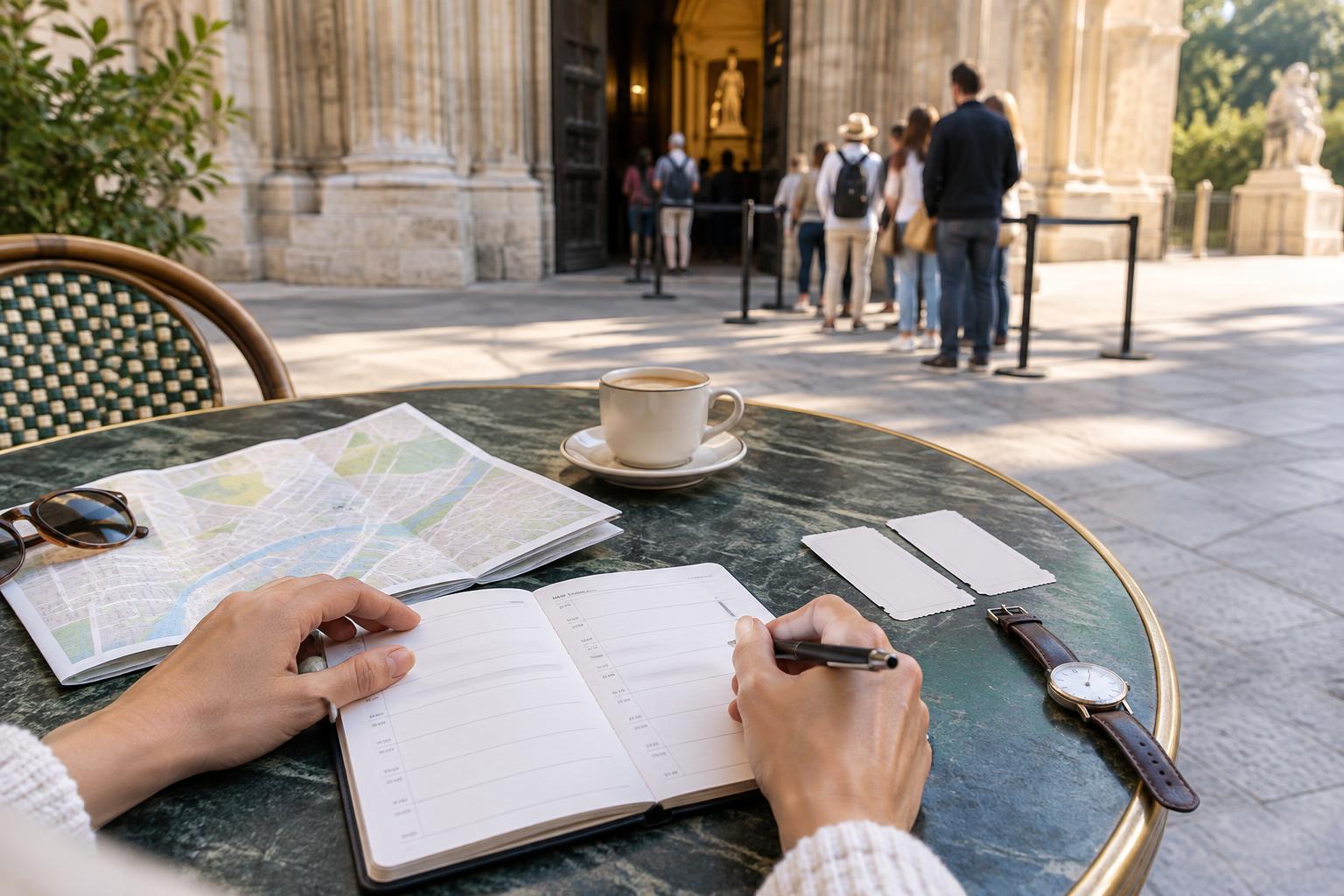
If the decision is close, draft two mini-itineraries. For the day trip, write down departure, arrival, your main activity and the return service you would aim for. For the overnight version, include check-in, your evening plans and what you would do the next morning. The better option is the one with enough margin to enjoy the place, not merely reach it.