Choose the bag and set your priorities
A personal item is usually the smaller bag that fits under the seat in front of you, such as a compact backpack, tote or crossbody bag. Size limits vary by airline and fare, so check your booking before choosing a bag. Leave a little room to spare: a soft-sided bag is only useful if it still fits when fully packed.
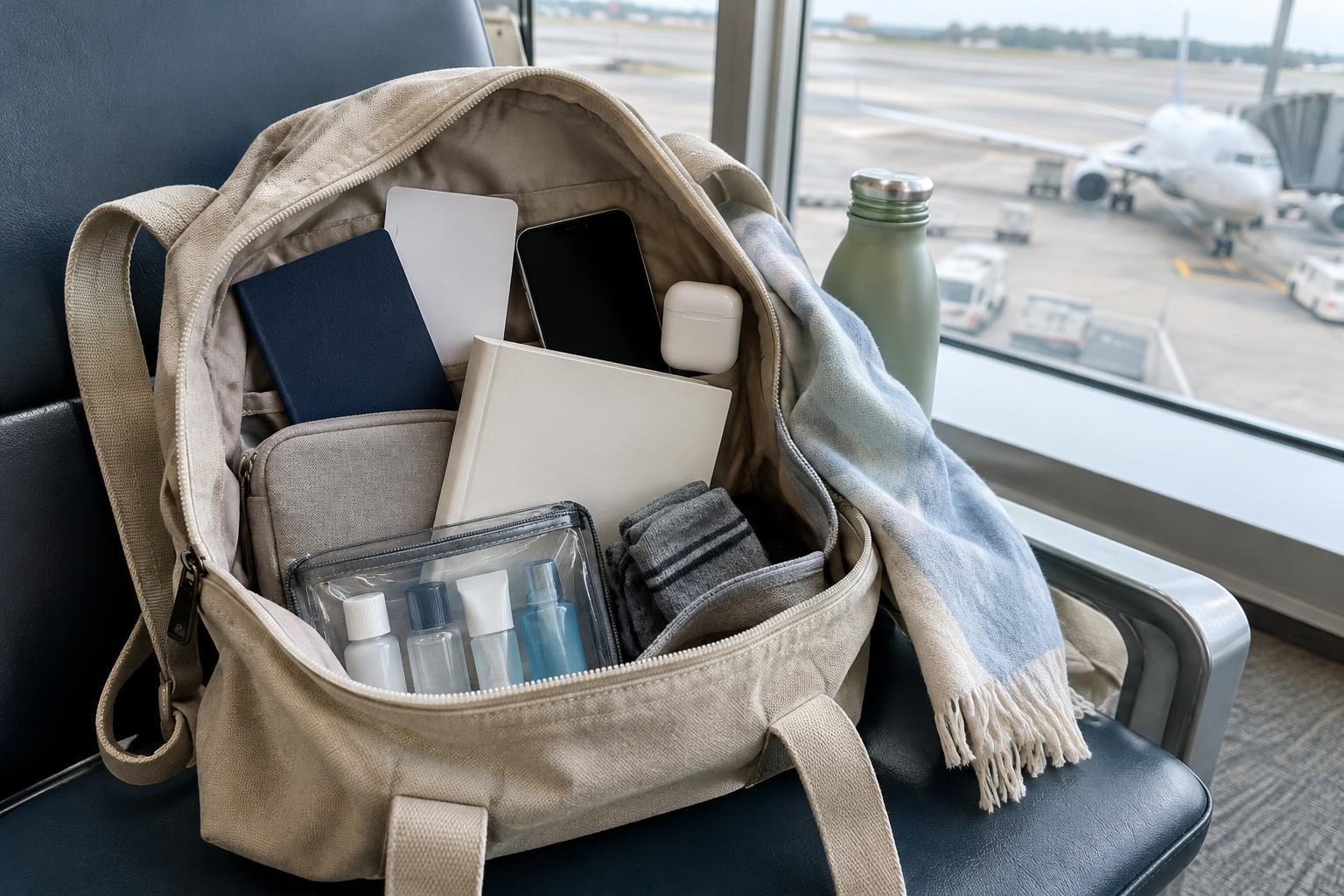
Think of the bag in three layers. The first holds what you may need at the airport, including identification, travel documents, your phone and payment cards. The second holds what you might use during the flight. The third is a small backup kit for a delayed or separated larger bag. This approach keeps the personal item useful without asking it to carry everything you own.
Keep important items close and easy to find
Put your passport or other required identification, boarding information, wallet, keys and phone in a secure pocket you can reach without unpacking. If you are carrying reservations or addresses, save them for offline access as well as keeping any paper copies you need. A pen and a small note with your destination address can be handy when your phone is unavailable.
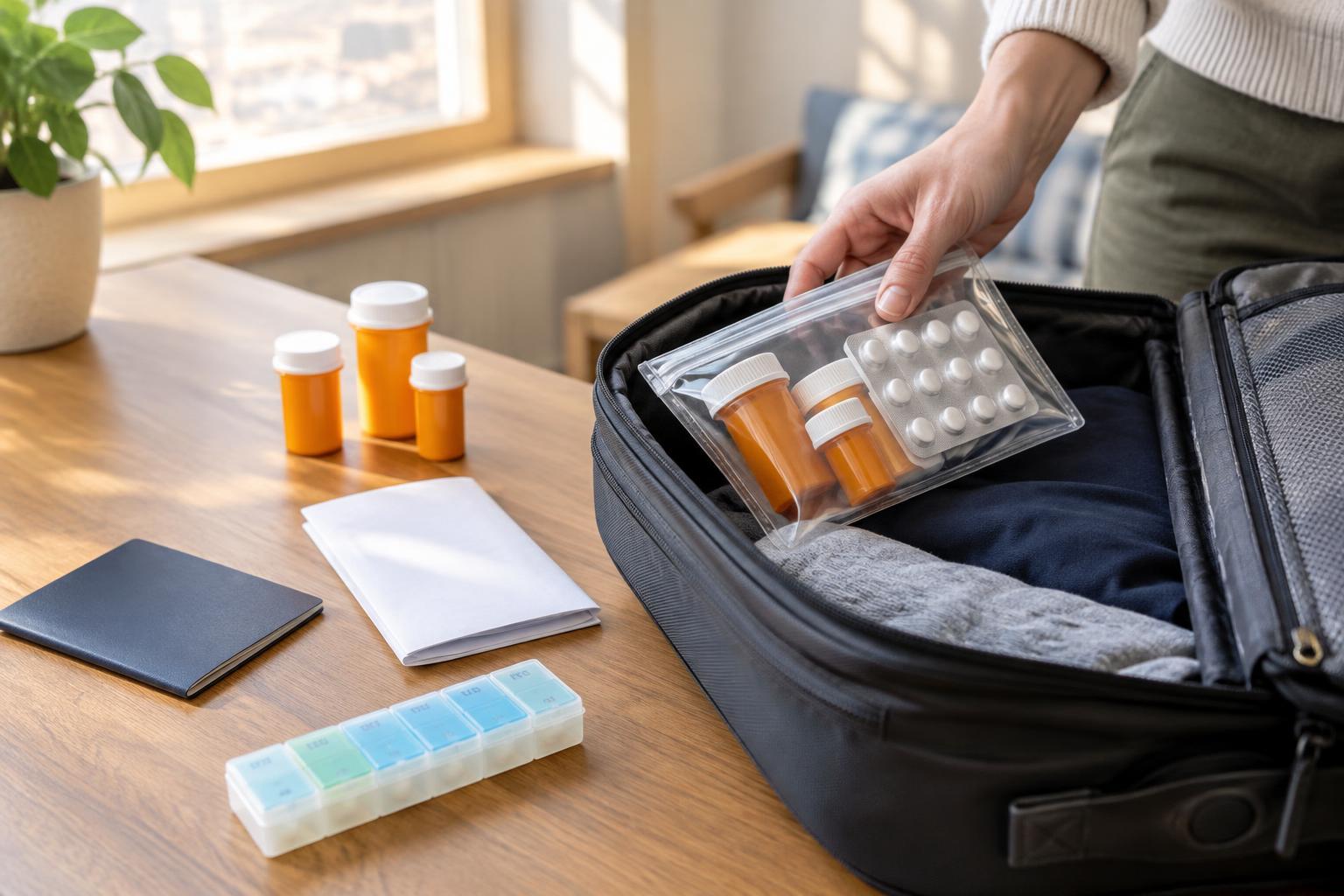
Carry prescription medication and other health essentials in your personal item rather than in checked luggage. Keep anything you may need during the journey accessible, and check the applicable rules for liquids, medical supplies and documentation before you travel. Pack eyeglasses or contact-lens supplies if you rely on them; a spare pair of glasses may be more useful than an extra outfit if your main pair is lost.
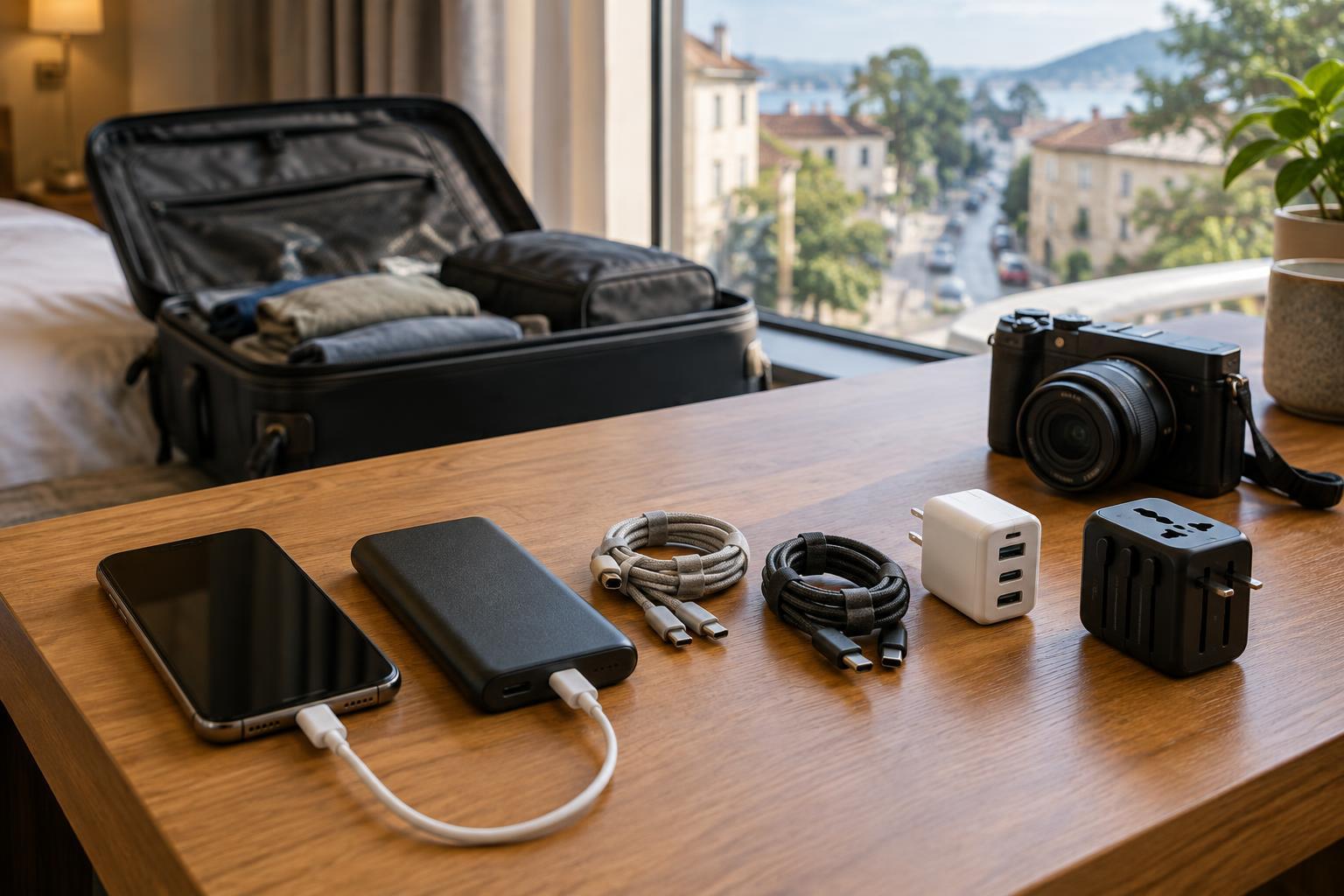
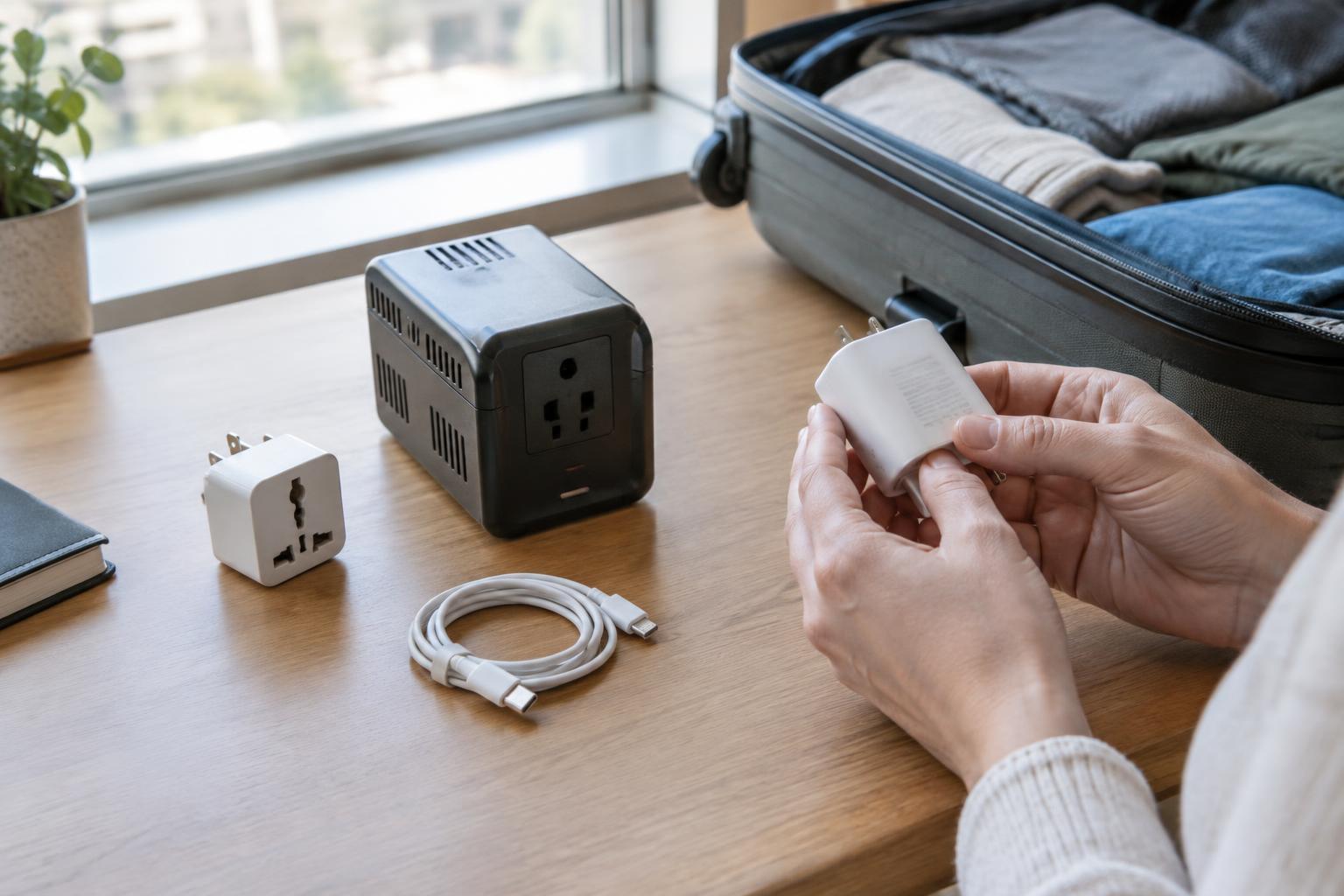
Electronics deserve a deliberate spot, too. Bring the chargers, cables and headphones you expect to use, rather than every accessory you own. If you carry a power bank or spare batteries, check your airline’s rules for where and how they must be packed. A short cable and a charged device are often enough for the flight itself.
Make the flight more comfortable
Cabin temperatures can change, so a light layer or large scarf is a flexible addition. For rest, consider an eye mask, earplugs or noise-reducing headphones. Choose items you already find comfortable; a bulky travel pillow is not worth the space if you rarely use one. A book, downloaded podcast or offline film gives you something to do if in-flight entertainment is unavailable.
An empty refillable water bottle can be filled after security where facilities are available. Pack a few sturdy snacks, especially if you have a tight connection or limited food options that suit you. Keep them simple to open and eat in a small space. Check any destination restrictions before carrying leftover food across a border.
For freshening up, a few tissues, hand wipes, lip balm and a toothbrush can cover the basics. Put liquids and gels in a small pouch and check the security requirements for every airport on your route, including connections. Rules can differ, and an item allowed at one checkpoint may need different handling at another.
Add a compact backup kit
If you are checking a bag, pack enough in your personal item to manage a change of plans. A clean pair of underwear and socks, a lightweight top and any small daily essentials can make a delay less disruptive. Choose clothing that folds flat and works with what you are wearing. For a short trip, you may prefer to use that space for essentials specific to your destination, such as a sun hat or warm gloves.
Keep the backup kit modest. Your personal item should still close easily and leave space for things you will handle during boarding. Separate small items in pouches, but avoid so many organizers that finding a charger becomes a search through five bags.
Do a final access check before you leave
Pack the least-used items at the bottom and place documents, medication, headphones and a charging cable near the top or in designated pockets. Close every compartment, then try lifting and carrying the bag alongside your other luggage. If it feels awkward, remove something before departure rather than discovering the problem in a crowded aisle.
Finally, check your airline’s current personal-item dimensions and restrictions, plus the security and entry requirements relevant to your route. A well-packed personal item is not the one with the most gear. It is the one that fits, stays organized and gives you what you need when your larger bag is out of reach.