Understand what you are booking
A homestay usually means staying in a home where a host lives or is closely involved, rather than having a space entirely to yourself. Beyond that, arrangements vary. You might have a private bedroom and shared bathroom, a separate guest area, or meals with the household. Some hosts enjoy conversation; others have busy routines and offer a quieter stay. Read the listing carefully rather than assuming every homestay will feel like joining a family.
Before you book, check what is included: meals, kitchen access, laundry, Wi-Fi, towels, transport help and any house rules. Ask where you will sleep, which spaces are shared, and whether other guests live on the property. If stairs, noise, pets, allergies or a reliable internet connection matter to you, raise those needs in advance. Clear questions help both sides decide whether the arrangement is a good fit.
Arrive ready to follow the household rhythm
Share your expected arrival time and ask for directions or check-in instructions before travel day. If your plans change, send an update when you can. On arrival, take a few minutes to learn how the home works: shoes at the door, keys and locks, bathroom use, quiet hours, and any areas that are private. Small habits that seem ordinary to you may be inconvenient in a shared home, so ask rather than guess.
Treat common spaces as shared spaces. Clean up after preparing food, keep your belongings contained, and avoid using supplies that have not been offered. Be mindful of water, electricity and noise, particularly early or late in the day. You do not need to perform perfect guesthood, but noticing the household’s routine—and checking before you change it—goes a long way.
Approach meals and conversation with curiosity
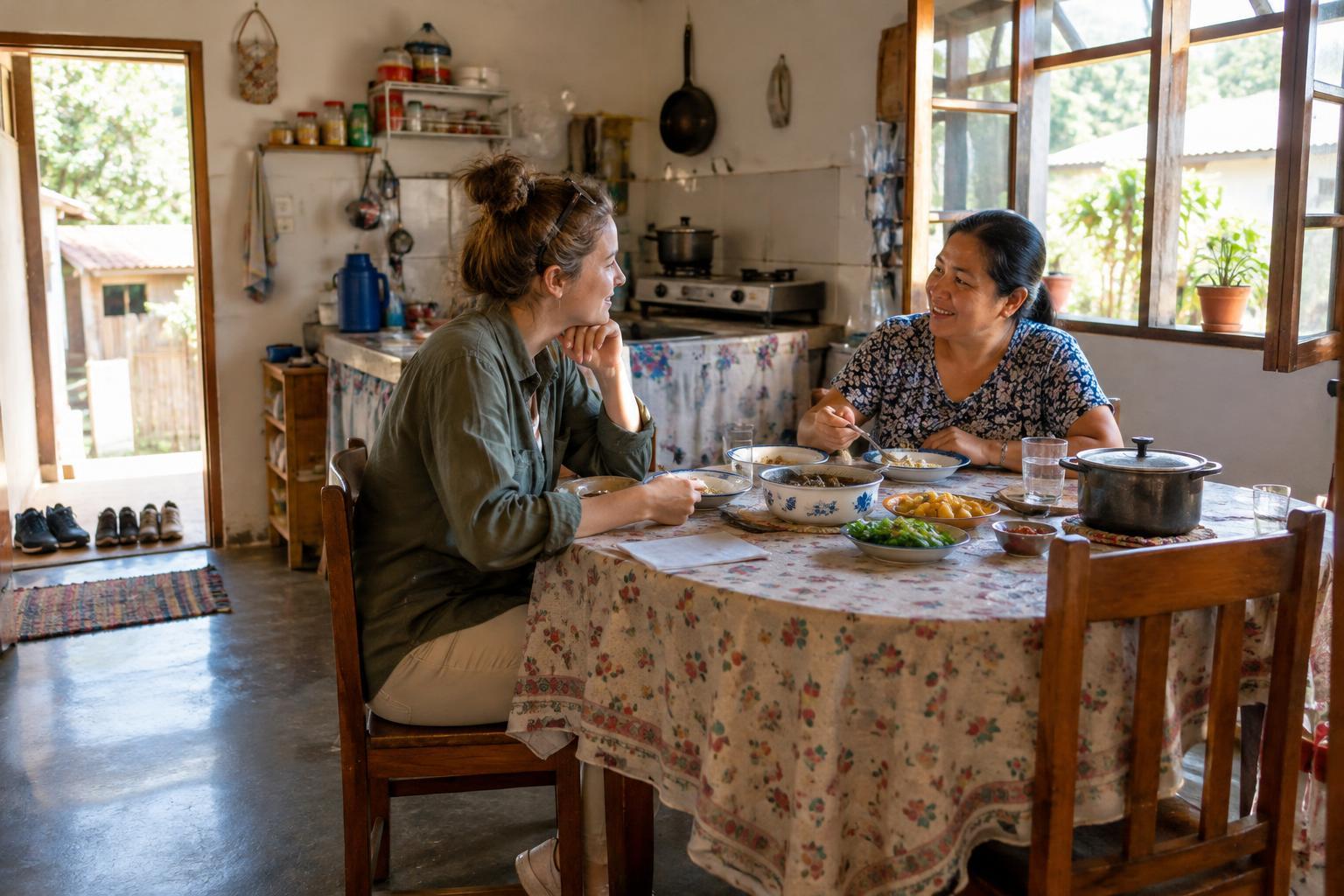
If meals are part of your stay, confirm which ones are included and roughly when they happen. Tell your host about dietary restrictions before arrival, especially if a meal depends on advance shopping or preparation. A host may not be able to accommodate every preference, so discuss what is practical rather than expecting an unplanned alternative. If you are invited to help, ask what would be useful; in some homes, setting the table is welcome, while in others the kitchen is best left to the cook.
Conversation can be one of the pleasures of a homestay, but it should be an invitation, not a demand. Ask open questions and share something about your own everyday life. Listen if your host corrects an assumption. Avoid treating one person as a spokesperson for an entire community, and be prepared to give them their evenings to themselves. A simple, friendly exchange may be more meaningful than a long interview.
Respect privacy, boundaries and paid work
Ask permission before photographing people, rooms or personal possessions, and check again before posting images online. Children deserve particular care: a parent or guardian’s approval matters, and leaving the camera away is often the easier choice. Do not enter closed rooms or invite visitors over without asking. If you want a tour, a cooking lesson or help arranging an outing, find out whether your host offers it and whether there is a separate cost.
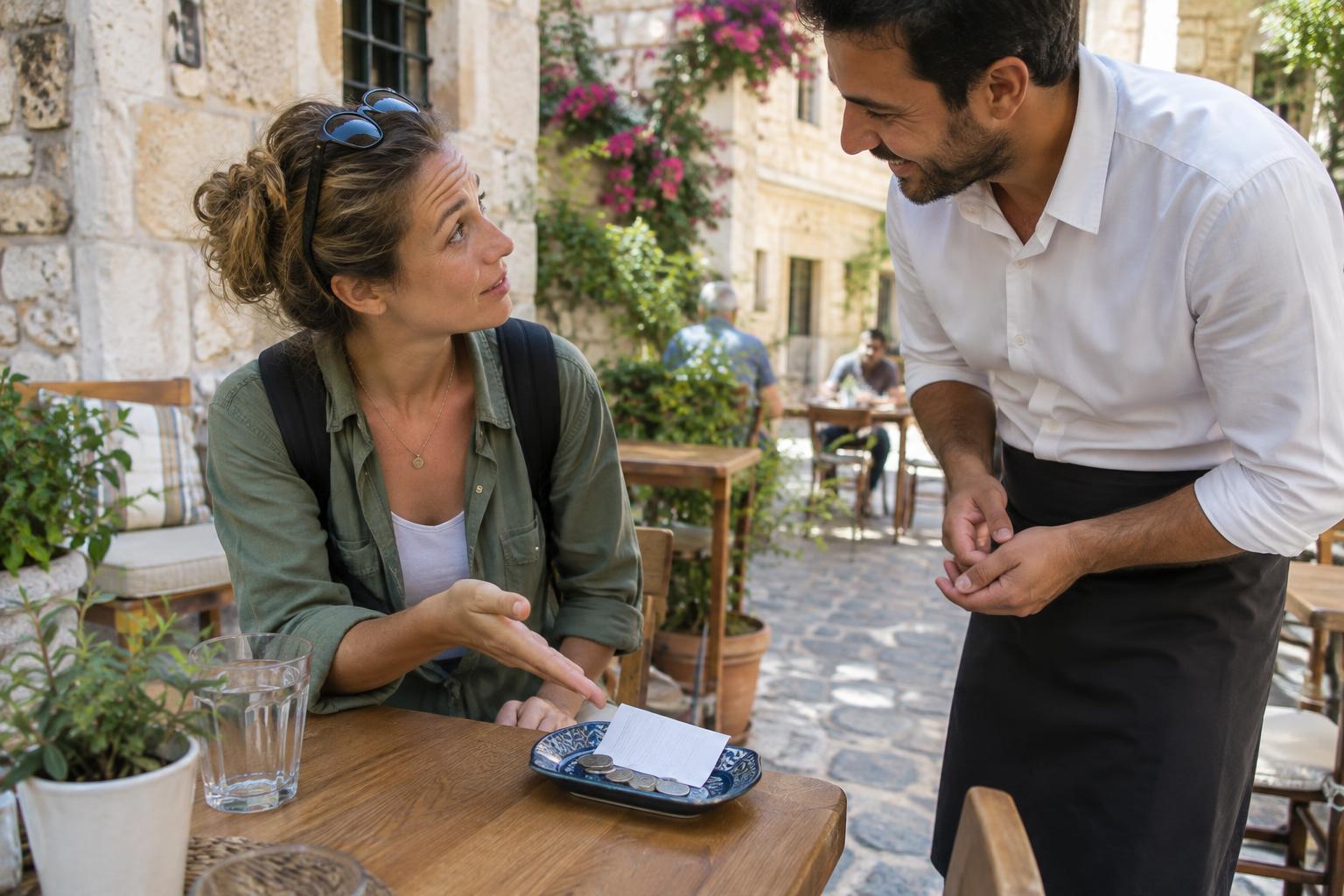
Hospitality does not make a host available at all hours. Respect agreed check-in times, meal times and house rules, even if the stay feels informal. If you encounter a problem, describe it promptly and politely so your host has a chance to respond. A broken shower or misunderstanding about breakfast is easier to address directly than through hints or silent frustration.
Leave well and take the experience with you
Before departure, confirm the checkout time, return keys as instructed and leave your room reasonably tidy. Pay any agreed charges and check whether anything you borrowed needs to be returned. A thank-you is enough; a gift is optional, and it is worth considering whether it would be useful or welcome rather than bringing one out of obligation.
Afterward, an honest review can help future guests understand the arrangement. Describe concrete details—such as a shared bathroom or a lively breakfast table—without publishing private information about the household. The best homestay mindset is straightforward: arrive with realistic expectations, communicate your needs, and remember that cultural exchange works best when everyone has room to be themselves.