Start with phrases that open a conversation
A small amount of local language can make a big difference to how comfortably you move through a place. The goal is not to sound fluent. It is to greet someone, ask a clear question and understand what to do next. Before departure, find out which language or languages are used where you are going, especially if your trip crosses regions. Have a reliable speaker, language teacher or well-regarded phrase guide check the wording and pronunciation of the phrases you plan to use.
Begin with “Hello,” “Goodbye,” “Please,” “Thank you” and “Excuse me.” Add “I’m sorry, I don’t speak [language] well” and “Do you speak English?” or another language you know. Learn how to say “Could you speak more slowly?” and “Could you write that down?” too. Polite forms vary by language and situation, so check whether you need different wording when addressing a stranger, an older person or a friend.
Prepare questions for finding your way
Directions are easier when you can show a destination as well as say it. Save your accommodation’s name and address offline, and keep a written copy in the local script if it differs from your own. Translate “Where is this address?”, “Which way is the station?” and “Is this the right stop for [place]?” For transport, add “One ticket to [place], please,” “Does this go to [place]?” and “When is the last departure?”
Practice the answers you are most likely to hear, not just your questions. Numbers, left, right, straight ahead and common words for entrance, exit and platform may help you follow a response. If you cannot understand, avoid nodding as though you can. Show the destination on a map and ask the person to point. Step aside before checking your phone so you are not blocking a queue or a busy walkway.
Make meals and purchases less confusing
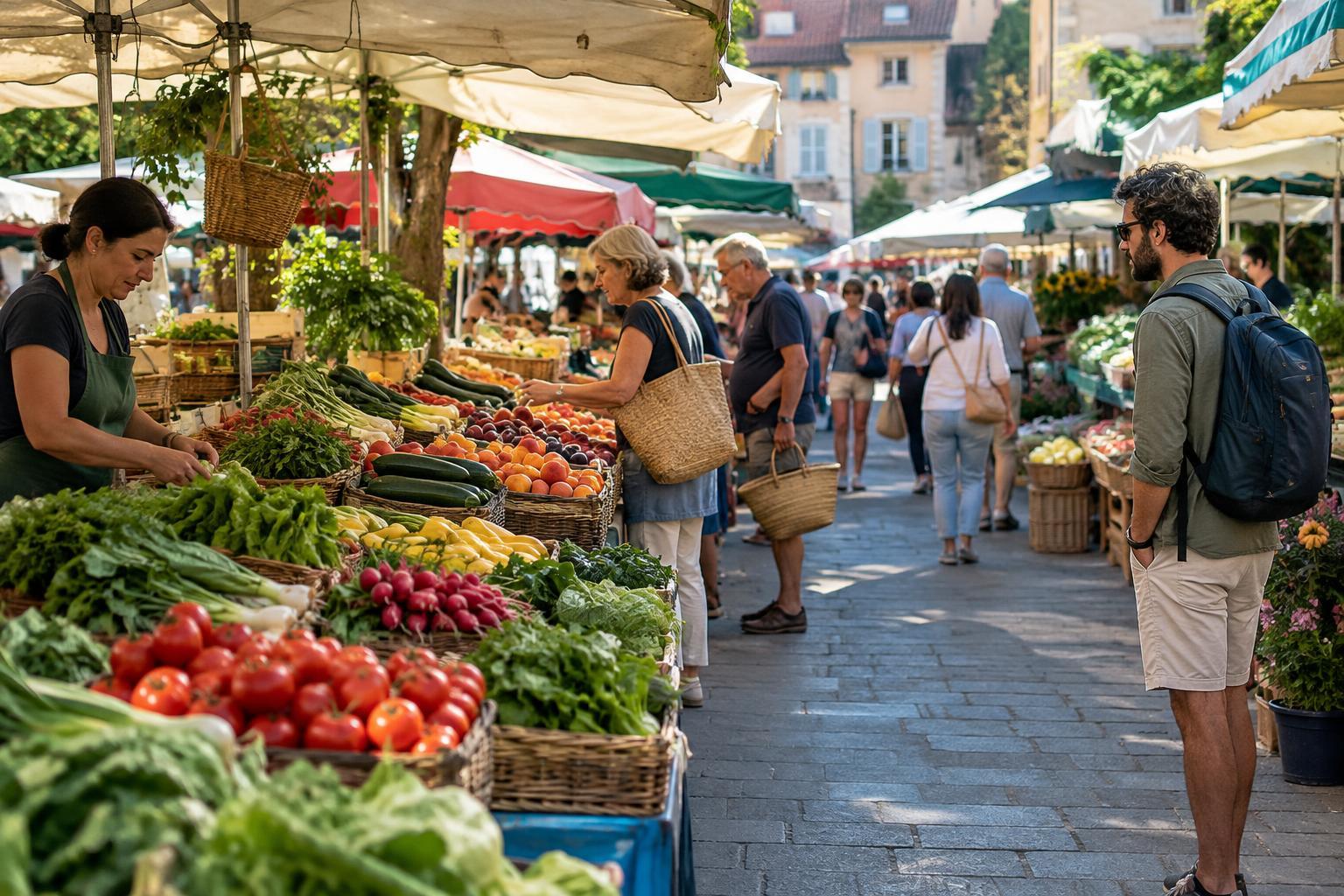
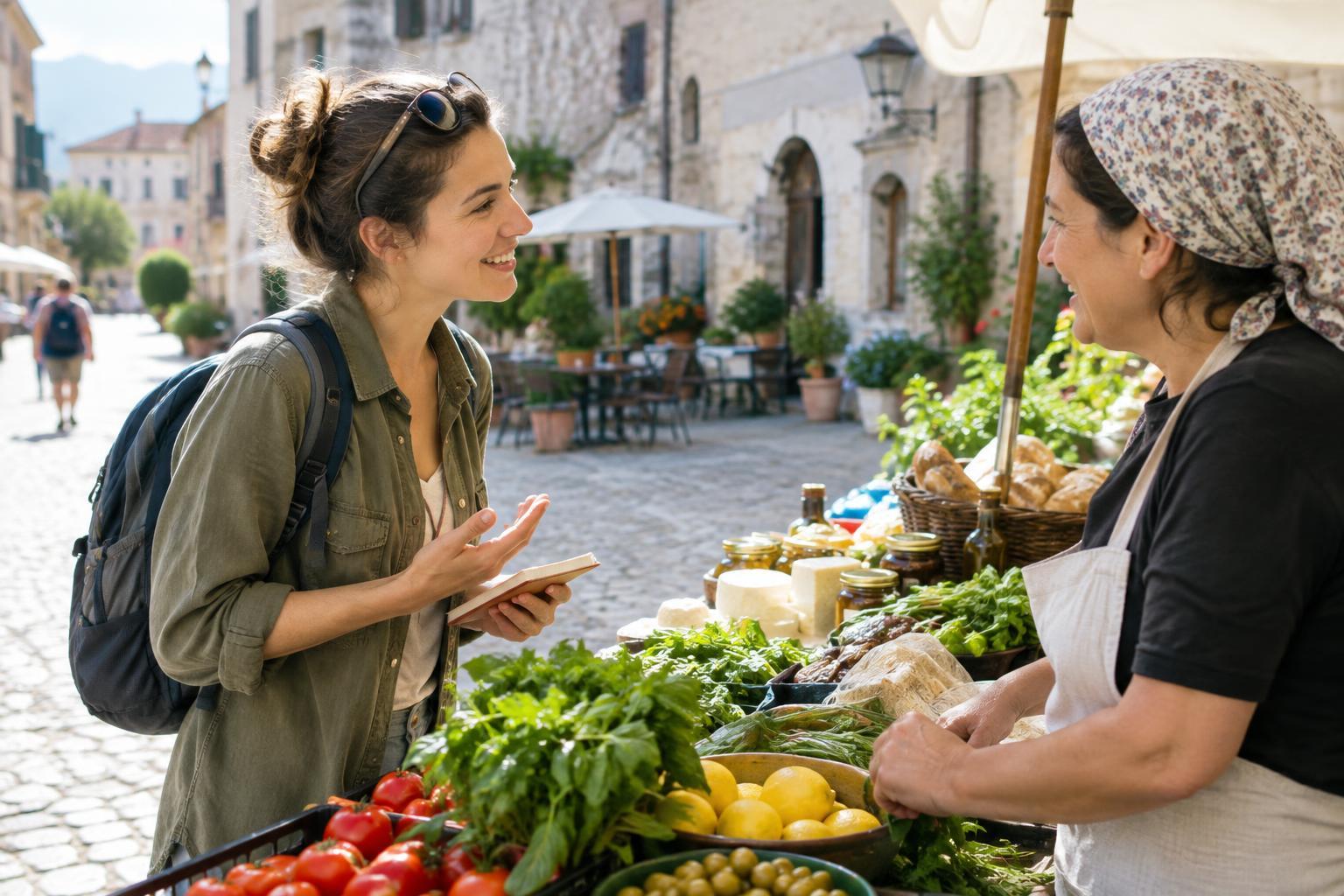
Menus and markets provide chances to use short, specific phrases. Useful ones to prepare include “What is this?”, “What do you recommend?”, “How much does it cost?”, “Can I pay by card?” and “May I have the bill, please?” Learn the local words for any foods you cannot eat. If you have an allergy, prepare a clearly translated written statement that names the ingredient and explains that you must avoid it; a casual spoken phrase may not communicate the seriousness or cover every ingredient.
Do not assume a literal translation sounds natural or that the same payment customs apply everywhere. Check how people usually order, ask for the bill and discuss prices at the kinds of places you expect to visit. In a market, a calculator or written price can clarify a number without putting pressure on either person. A smile and a thank-you still matter if the exchange takes several attempts.
Keep essential help phrases easy to reach
Most trips involve ordinary questions, but a few phrases are worth preparing for situations when you feel stressed. Translate “I need help,” “I am lost,” “I lost my phone,” “Where is the nearest pharmacy?” and “Please call the emergency services.” If relevant, add a phrase describing an accessibility need or asking for a step-free route. Save important addresses and contact details somewhere you can access without your phone.
Keep this set short enough to find quickly on a saved note or printed card. Include the local spelling and a pronunciation hint that makes sense to you. For urgent situations, showing a written message may be more effective than trying to remember unfamiliar words. Translation tools can help with routine exchanges, but they can make mistakes; use a checked translation for information where misunderstanding could have serious consequences.
Practice for real exchanges, not a perfect accent
Choose a dozen or so phrases you expect to use and rehearse them aloud before the trip. Listen for the rhythm of a complete phrase rather than memorizing isolated words. Group your notes by situation—arrival, transport, meals and help—so you can find the right line quickly. If a place name is difficult to pronounce, keep its written form ready to show alongside your attempt to say it.
Once you arrive, begin with a greeting and give the other person time to respond. They may switch languages, correct your pronunciation or prefer that you show them what you mean. Follow their lead without treating the interaction as a language lesson they owe you. Even a brief exchange can be more pleasant when you have made it easy to understand your question and are willing to listen to the answer.