Start with the rules for your route
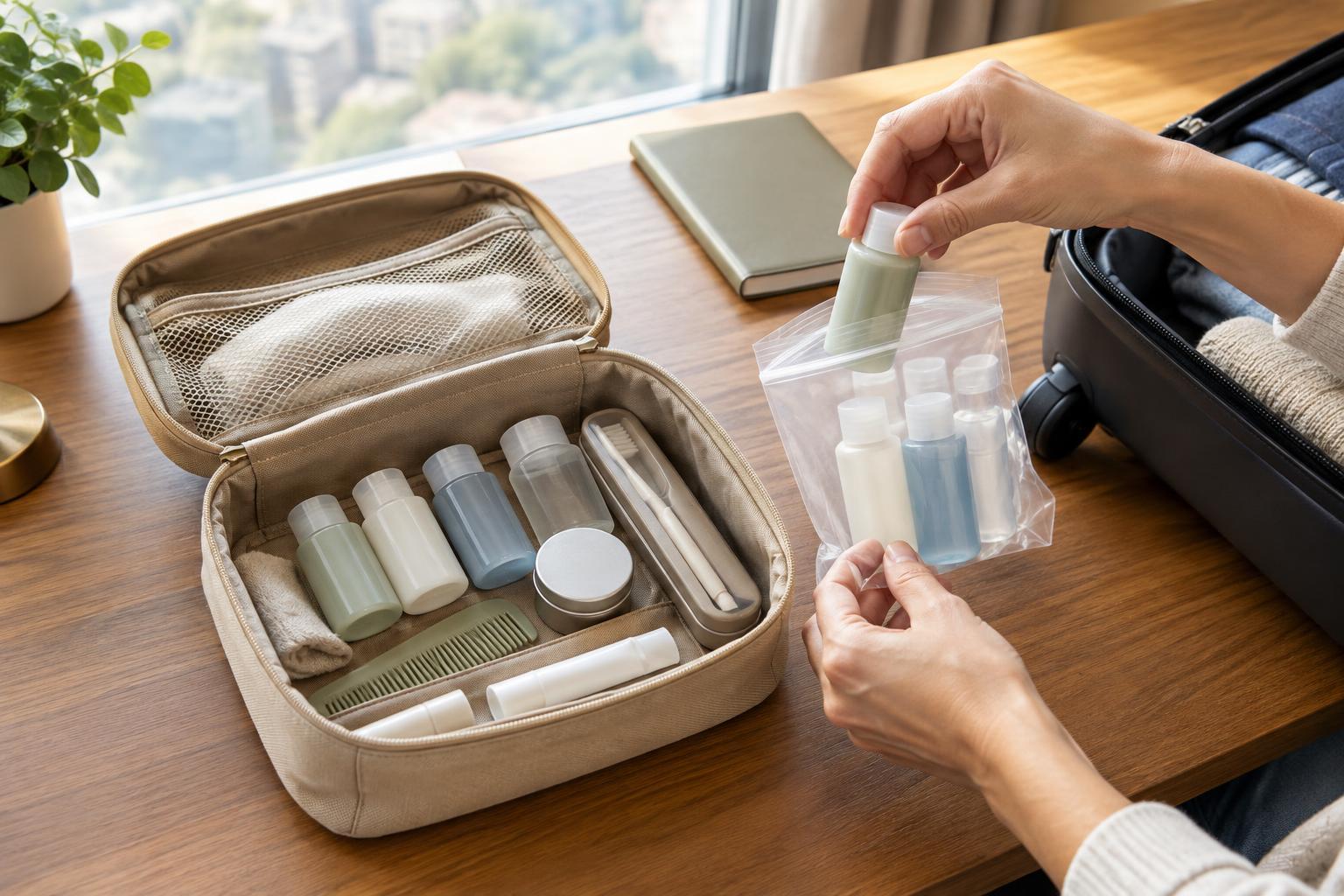
Before decanting anything, check the carry-on liquids guidance published by the airports and security authorities on your route. Rules can differ by location and screening equipment, and a connection may mean going through security again. The familiar limit of containers holding no more than 100 millilitres or 3.4 ounces, placed in a small clear bag, is a useful planning baseline in many places, but it is not a universal promise. Confirm the permitted container size, bag size and presentation requirements before departure.
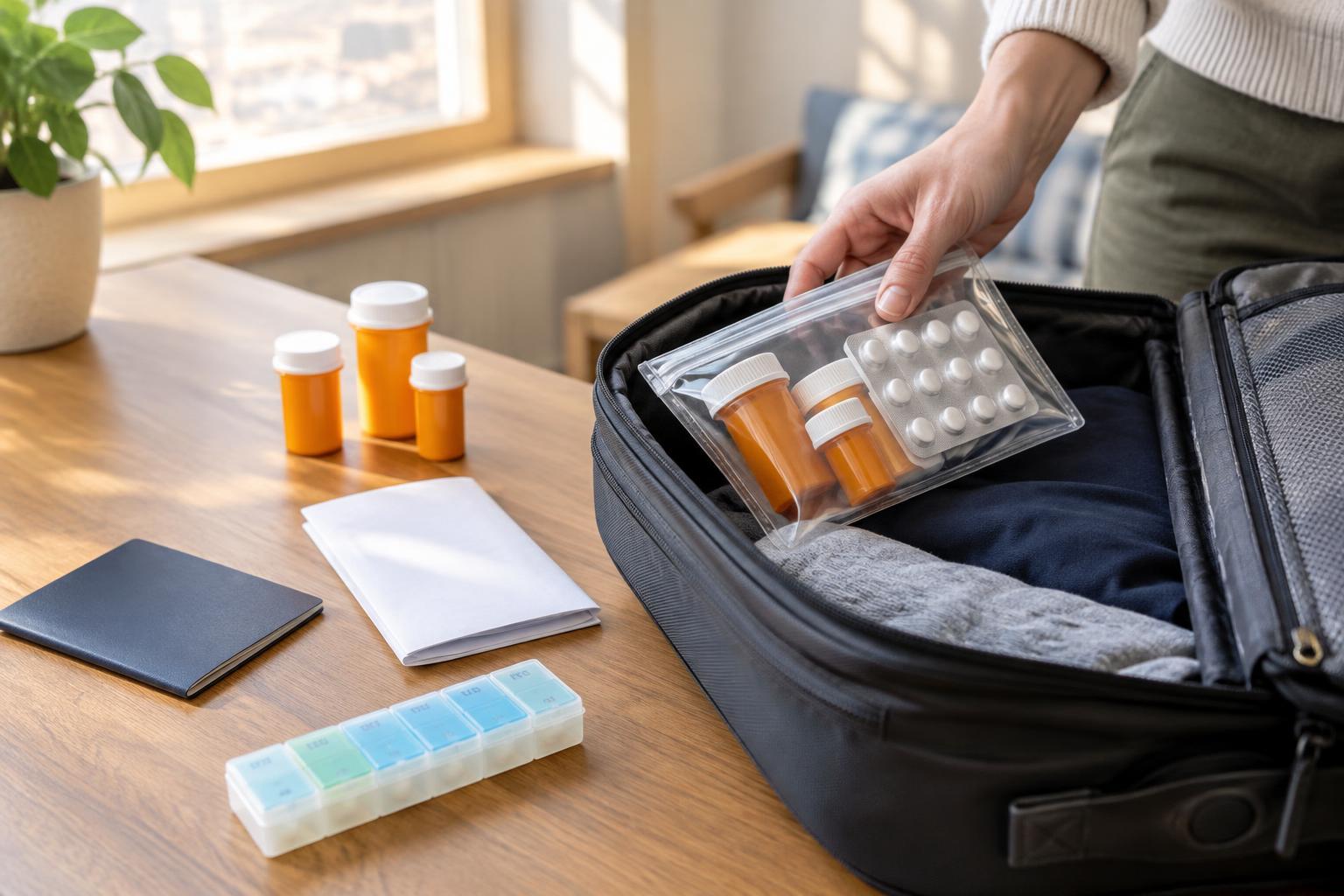
Security limits generally concern the capacity printed on the container, not how much product is left inside it. A half-empty full-size bottle may still be too large for a restricted carry-on. Creams, gels, pastes, aerosols and roll-ons may count alongside obvious liquids, so include items such as toothpaste and sunscreen when you plan your allowance. Requirements and exceptions for essential medicines, infant supplies and special dietary items vary; look up the relevant guidance rather than assuming they fit the standard bag.
If you are checking a bag, you may have more room for toiletries, but airline and destination restrictions can still apply, particularly to aerosols and other regulated products. Keep anything you will need during the journey in your carry-on, provided it meets the applicable rules.
Pack for your routine, not every possibility
Make a short list based on what you actually use each day: oral care, washing, skin or hair care, deodorant and any personal essentials. Then consider the length and style of the trip. A weekend with access to a shop calls for a different kit from a longer itinerary with remote stops. If your accommodation provides products you are happy to use, you may be able to leave duplicates at home.
Choose the smallest practical amount of each product. Refillable travel containers work well for products you already own, as long as the container suits the contents and closes securely. Label each one clearly; similar-looking lotions are easy to confuse. Test a new container at home before relying on it for a trip. For a short stay, a small tube or compact original package may be simpler than transferring a product.
Solid soap, shampoo bars and other non-liquid alternatives can free up space in a liquids bag, though a solid product is only useful if it works for you and can dry between uses. Bring a ventilated case or allow it to dry before sealing it away. For products you use sparingly, such as a face mask, ask whether they will realistically earn their place in your bag.
Build a leak-resistant system
Leaks often begin with a loose cap, a damaged seal or pressure on a container inside an overfilled bag. Check caps and dispensing pumps before packing. Close pump locks where available, and put especially spill-prone bottles in their own resealable bags. A small piece of flexible wrap under a screw cap can add a barrier, but it should not replace a sound lid.
Keep liquids upright when you can, while packing as though the bag might be turned on its side. Place the toiletry pouch away from electronics, documents and clothing that would be difficult to clean. If you carry powder, check that its lid is secure too; a spill does not have to be liquid to make a mess. Wipe containers after use so residue does not spread through the pouch.
A washable or easy-to-clean toiletry bag makes small accidents less disruptive. Separate the items you need in transit from the rest of your kit so you are not opening every container at a crowded sink or during a security check.
Save space without sacrificing convenience
Lay out your toiletries before they go into the bag. Group similar items, remove unnecessary outer packaging and look for duplicates. A multipurpose product can help, but only if you genuinely like using it for each intended job. Smaller tools, such as a folding toothbrush or compact brush, may save more room than squeezing another bottle into an already full pouch.
Arrange the kit around when you will use it. Keep a toothbrush, toothpaste and a few in-transit essentials easy to reach; pack the rest deeper in the bag. A simple pouch for dry items and a separate, accessible bag for restricted liquids can speed up packing and repacking. Leave a little spare capacity for damp items or products bought along the way rather than filling every gap at home.
Do a final check before you leave
The night before travel, confirm that every container is closed, labelled where needed and packed in the right bag. Check your route’s current security guidance once more, especially if you have a connection or are using a different airport on the return journey. Then put your toiletry kit where you can reach it without unpacking your entire suitcase.
The most reliable setup is usually modest: products you know you will use, quantities that suit your trip and enough protection that one loose cap cannot spoil the rest of your luggage. After each trip, note what you ran out of and what came home untouched. Those small adjustments will make your next toiletry kit easier to pack.