Find out who will teach you
A craft workshop offers something different from browsing a market: time to try a technique and talk with a person who practices it. “Local,” though, can describe anything from an independent maker teaching in their studio to a large venue running short introductory sessions. Neither format is automatically better. Ask who leads the workshop, what they make outside of teaching and how many participants will attend. The answers will help you decide whether you want close guidance, a lively group activity or a brief introduction.
If learning about a craft’s place in the community matters to you, ask whether the instructor will discuss its history and how the technique is used today. Leave room for the maker’s own perspective rather than expecting one person to represent an entire culture. Also check the teaching language and whether demonstrations are part of the session; hands-on instruction may be easier to follow than a long explanation if you and the instructor do not share a fluent language.
Check what you will actually do
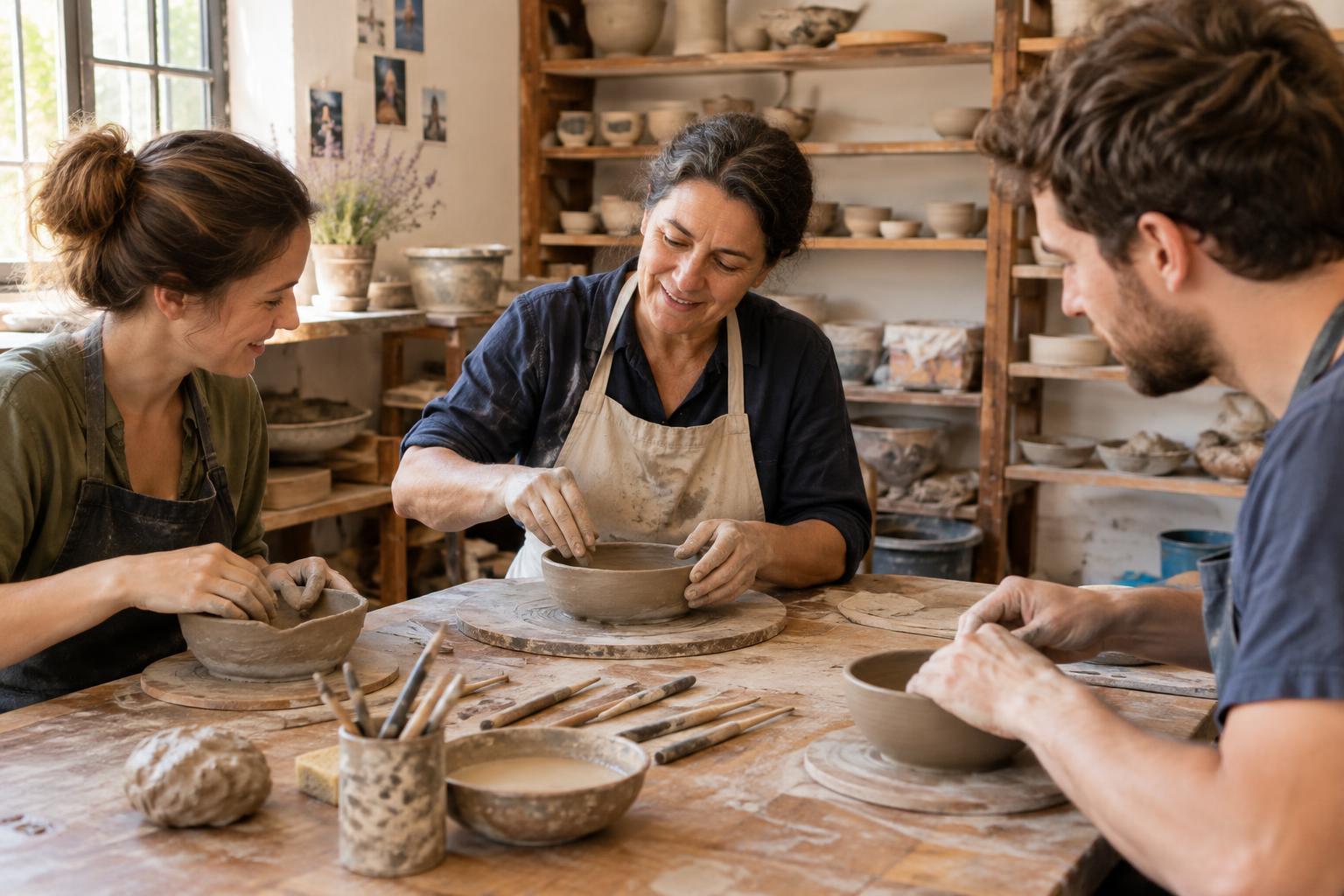
Workshop descriptions can make a finished object look simple, even when most of the skilled work must be prepared in advance. Ask which steps you will do yourself, which steps the instructor will handle and whether beginners need any previous experience. A pottery session, for example, may focus on shaping rather than glazing; a textile session may teach one stitch rather than produce a complete garment. Knowing the scope helps you choose a class for the process, not just the photograph of the result.
Confirm the duration, location and pace. Does the time listed include an introduction, cleanup or a break? Will you be seated for most of the class, standing at a workbench or moving between spaces? If you have mobility, sensory or other access needs, ask about the specific setup rather than relying on a general description. Questions about step-free entry, seating, lighting, ventilation or the option to take breaks give the organizer a chance to explain what they can accommodate.
Understand the full cost and booking terms
Before paying, find out what the price includes. Materials, tool use, protective equipment and a finished piece may be covered, or some may cost extra. Ask whether there is a charge for firing ceramics, choosing premium materials or shipping an item after it dries. If you are booking for several people, check whether the quoted price is per person or for a private group. These details matter more to your budget than a small difference in the advertised class fee.
Plans change on a trip, so read the cancellation and rescheduling terms before you commit. Ask when payment is due, what happens if you arrive late and whether the class needs a minimum number of participants to run. If weather, a ferry connection or another uncertain part of your itinerary could affect your arrival, avoid placing a nonrefundable session immediately after it. Save the booking details and the workshop’s meeting instructions somewhere you can access without a reliable connection.
Ask about materials and cultural context
Materials can shape both the experience and what you can take away. Ask whether the workshop uses locally sourced materials, substitutes or pre-made components if that distinction matters to you. You can also ask about dust, dyes, adhesives, sharp tools or strong scents before booking, especially if you have a sensitivity. For any activity involving heat or cutting tools, find out what guidance and protective equipment the instructor provides. You do not need to be an expert to ask what a safe beginner session looks like.
Some objects and patterns carry cultural, ceremonial or personal meaning beyond their appearance. A thoughtful instructor can tell you what they are comfortable teaching and whether there are designs participants should avoid copying or sharing. Ask before photographing the workspace, the maker or other participants, and follow any limits on posting images or instructions afterward. Treat the session as an invitation to learn a specific skill from a specific person, not as permission to reproduce every design you encounter.
Plan for the finished piece—and the rest of your day
Find out whether your object will be ready to take home when the class ends. Paint may need to dry, clay may need to be fired and some pieces may require finishing by the maker. If collection is required, check the pickup window against your departure plans. If shipping is offered, ask about its cost, packaging and what happens if the piece is damaged in transit. For anything you plan to carry yourself, consider its size, weight and fragility before you reserve luggage space for it.
Finally, leave the workshop some breathing room in your itinerary. Allow time to find the venue, arrive without rushing and clean up or ask questions afterward. Wear clothing suitable for the materials, and follow the organizer’s advice about what to bring. The best souvenir may be an imperfect object with a story you understand: what you tried, what the maker showed you and why the work takes practice.