Start with what you need your phone to do
Before choosing a connection, list the tasks your phone must handle. Maps, messaging, translation, tickets and ride bookings mainly need data. Ordinary calls and text messages may matter if you expect to contact a hotel, receive bank verification codes or keep your usual number reachable. Also consider how many countries you will visit and whether you need to share your connection with a laptop.
There is no single cheapest or easiest option for every trip. Prices, coverage and terms vary by destination, provider and plan. A weekend with occasional map use calls for a different setup from several weeks of remote work. Check your phone’s compatibility and whether it is carrier-unlocked before buying a SIM or eSIM from another provider.
Roaming: the simplest setup to check first
Roaming lets your existing mobile plan connect through a network abroad. Its main advantage is convenience: you usually keep your number, contacts and familiar calling and texting arrangements without changing SIMs. Some plans include service in certain destinations; others offer a travel pass or charge separately for data, calls and texts. Read the terms for every country on your itinerary, including transit stops.
Look beyond the advertised daily or trip price. Check the data allowance, what happens after you use it, whether calls to local numbers are covered and when a chargeable day begins. If you do not intend to use roaming, turn off data roaming for your home line before departure. Airplane mode with Wi-Fi switched back on is another way to avoid mobile-network use when you only need an internet connection at your accommodation.
Travel eSIMs: useful flexibility without swapping a card
An eSIM is a digital mobile plan installed on a compatible phone. Travel eSIMs are often purchased before departure and can be useful for an arrival when you want maps or messages immediately. Plans may cover one country, a region or several destinations. Many are data-only, so do not assume they include a local number, conventional calls or texts. Internet-based messaging and calling apps can work over the data connection, subject to their own requirements.
Confirm that your phone supports eSIMs and accepts plans from other providers. Read when the plan starts, how long it lasts, how much data it includes and whether tethering is permitted. Installation may require a reliable internet connection, so save the instructions and set it up while you still have Wi-Fi. If you keep your home line active alongside the eSIM, select the travel eSIM for mobile data and check the home line’s roaming settings separately; using a second line does not automatically prevent home-plan charges.
Local SIM cards: a practical option for longer stays
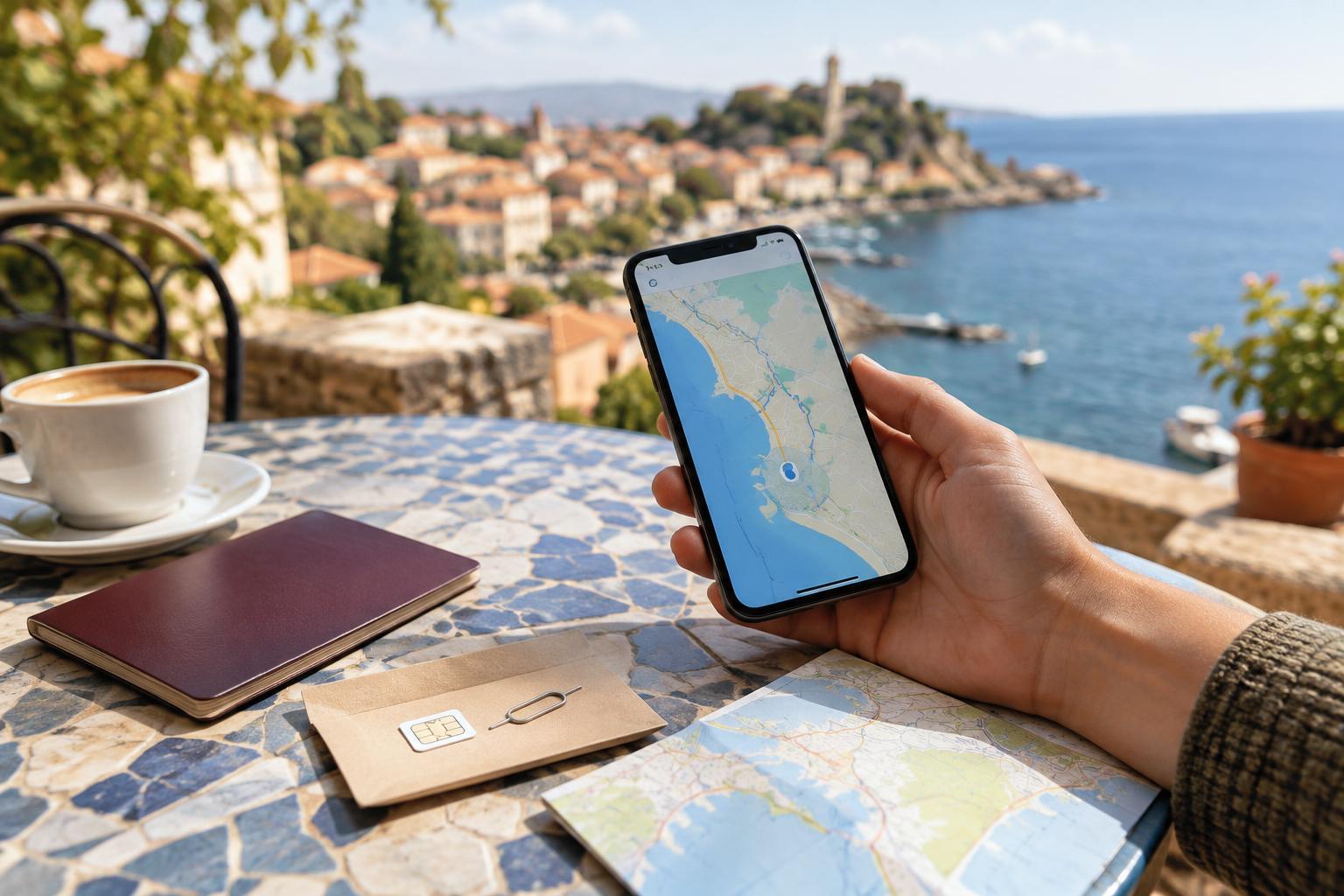
A local physical SIM can offer a destination-specific plan and, depending on the package, a local number for calls or texts. It may suit a longer stay in one country or a trip where local calling matters. You can often compare plans after arrival, though finding a shop, understanding the terms and completing setup takes time. Some destinations or providers require identification to register a SIM, so check what you may need before relying on this option.
A physical SIM also means handling your original card, unless your phone can use another line at the same time. Store a removed SIM somewhere secure and easy to find. Check the plan’s validity period, data allowance, refill options and coverage in the areas you expect to visit. A plan that works well in a major city may not be the best fit for a rural itinerary.
Make a connection plan before you leave
Compare the three options using your actual route and habits. For a short trip where convenience matters most, your home plan’s roaming offer may be enough. For a multi-country itinerary, a suitable regional eSIM can reduce the need to change plans at each border. For a longer stay in one place, a local SIM is worth comparing. These are starting points, not rules: coverage and terms matter more than the label on the plan.
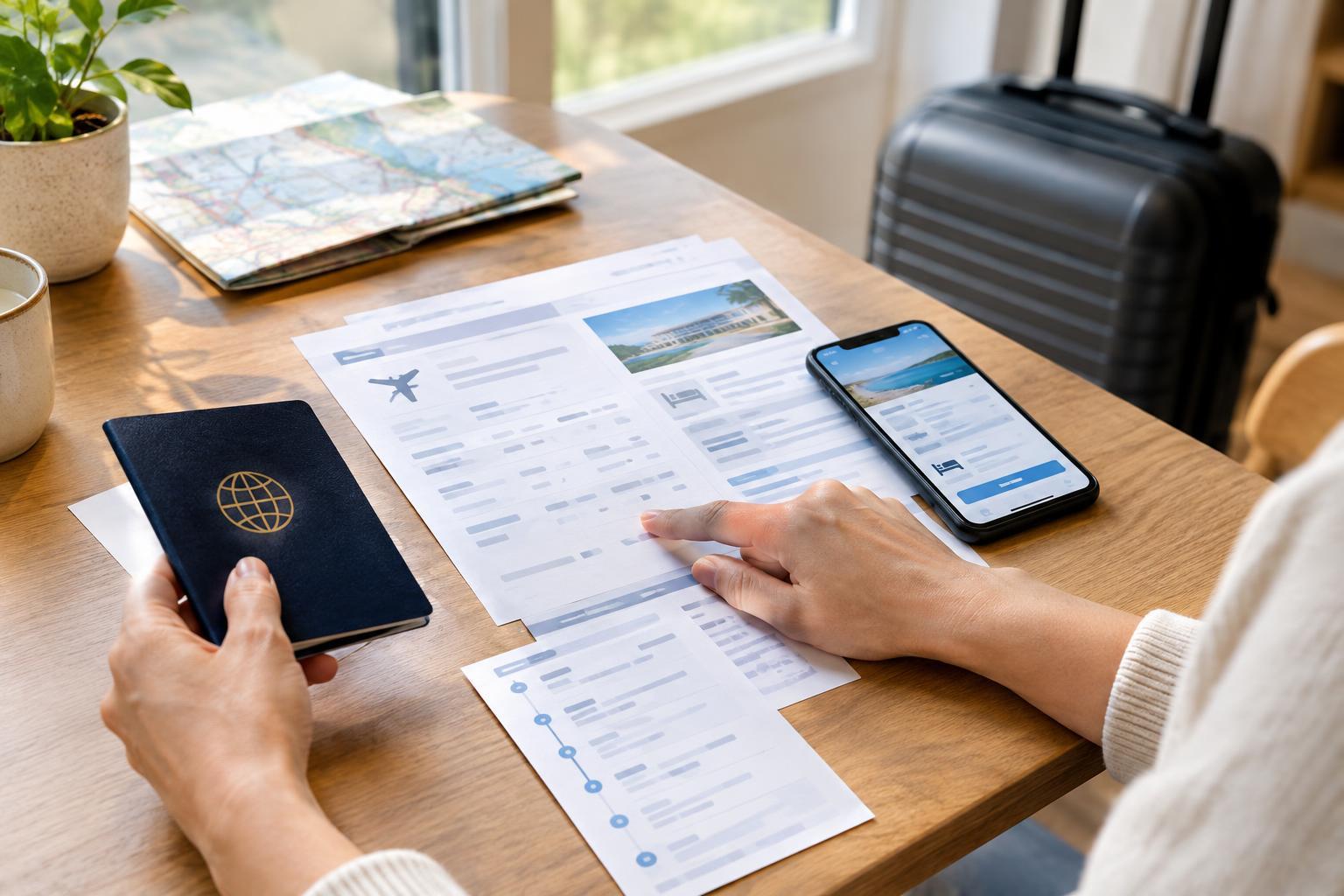
Before departure, download offline maps and key booking details, update essential apps and check how you will receive verification messages if your home number is unavailable. Save accommodation addresses and arrival instructions somewhere you can open without mobile data. Once connected, test a map and a message, then confirm which line is supplying data. A few minutes of checking can make the rest of the trip much easier to navigate.