Start with the invitation, not the itinerary
A ceremony may be central to a community’s life, yet its visibility does not make it open to visitors. Before building a trip around one, find out whether the gathering welcomes observers. Information from the place of worship, a community-run visitor program, or someone authorized to speak for the hosts is more useful than a travel post saying that visitors have attended before. If the guidance is unclear, treat attendance as uncertain rather than assuming that an open door is an invitation.
Access can vary even within the same building. A public service may welcome quiet guests, while a family rite, preparation area, or part of a festival may be reserved for participants. Some ceremonies require advance registration or an escort; others ask visitors to arrive only at designated times. Buying an entry ticket to a historic site does not necessarily grant access to worship taking place there. Check the arrangement for the specific event, not just the venue.
Ask what being present requires
If visitors are welcome, learn the basic expectations before you go. These may include clothing, head coverings, removing shoes, seating arrangements, silence, or places where visitors may stand. Customs differ among traditions and individual communities, so avoid relying on a universal checklist. A host’s directions should take precedence over what you saw at another site. If you cannot meet a requirement comfortably, choose a different way to learn about the place.
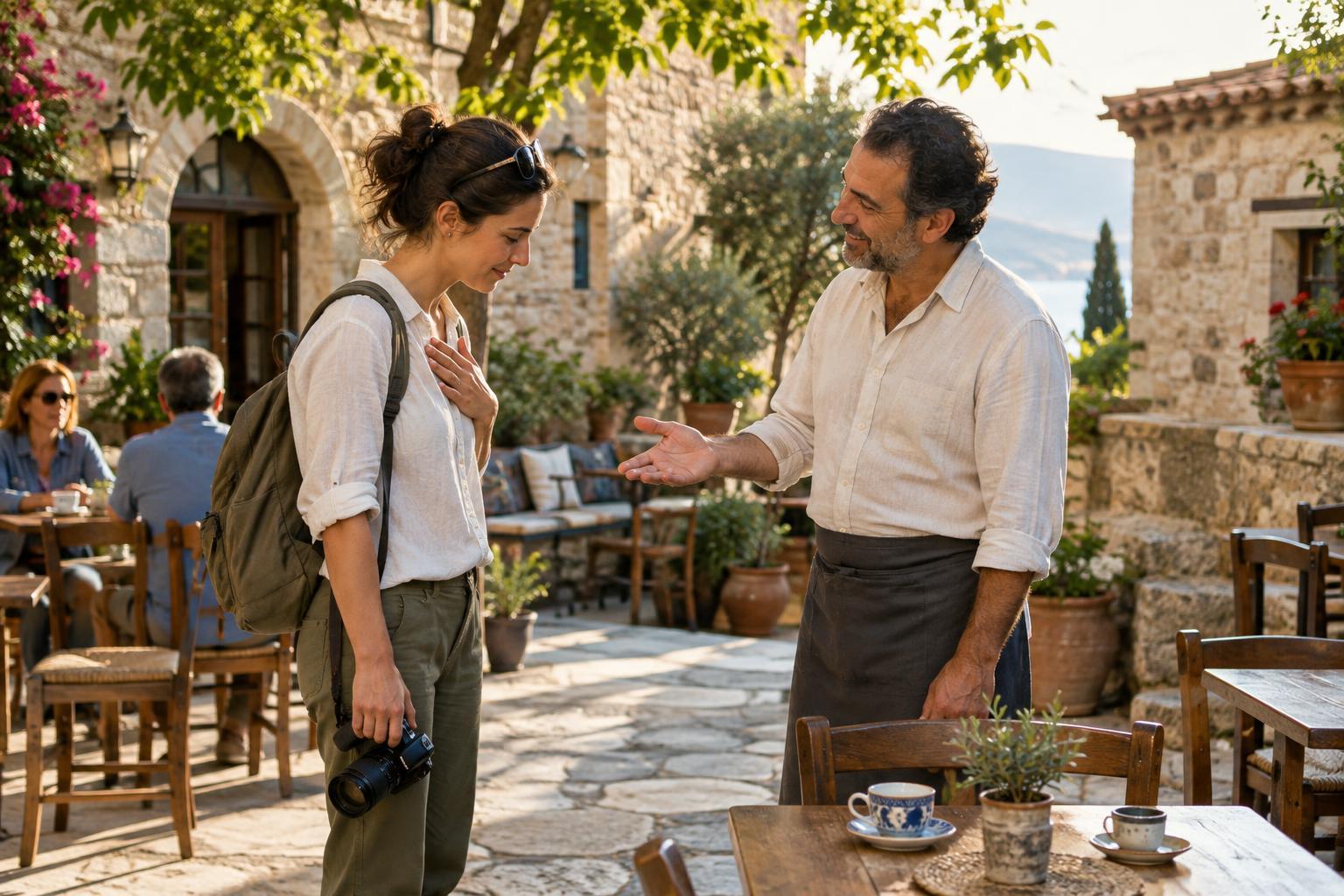
Plan to arrive early enough to ask a question without interrupting proceedings. Keep your bag small if space is limited, silence your phone, and take a seat or standing place where you will not block participants. A guide or attendant may be able to explain what visitors can do, but they may be busy. Asking one brief, practical question is usually better than seeking a running commentary during the ceremony.
Observe without becoming the focus
Being allowed to watch does not mean being invited to join every action. Singing, receiving an offering, entering a procession, or approaching a sacred object may have meanings or requirements that are not obvious to an outsider. Watch how designated hosts guide visitors, and participate only when you are clearly invited and understand what is being asked. You can also remain respectfully still; you do not need to imitate a gesture to show appreciation.
Treat photography as a separate permission. A site that allows pictures of its architecture may prohibit them during worship, and individual attendees may not want to appear in your travel photos. Check the rules before taking out a camera, and put it away if asked. Avoid recording prayers, close-ups of participants, or private exchanges simply because no sign forbids them. Your view of the ceremony should not come at the cost of someone else’s ability to take part undisturbed.
Recognize when to step back
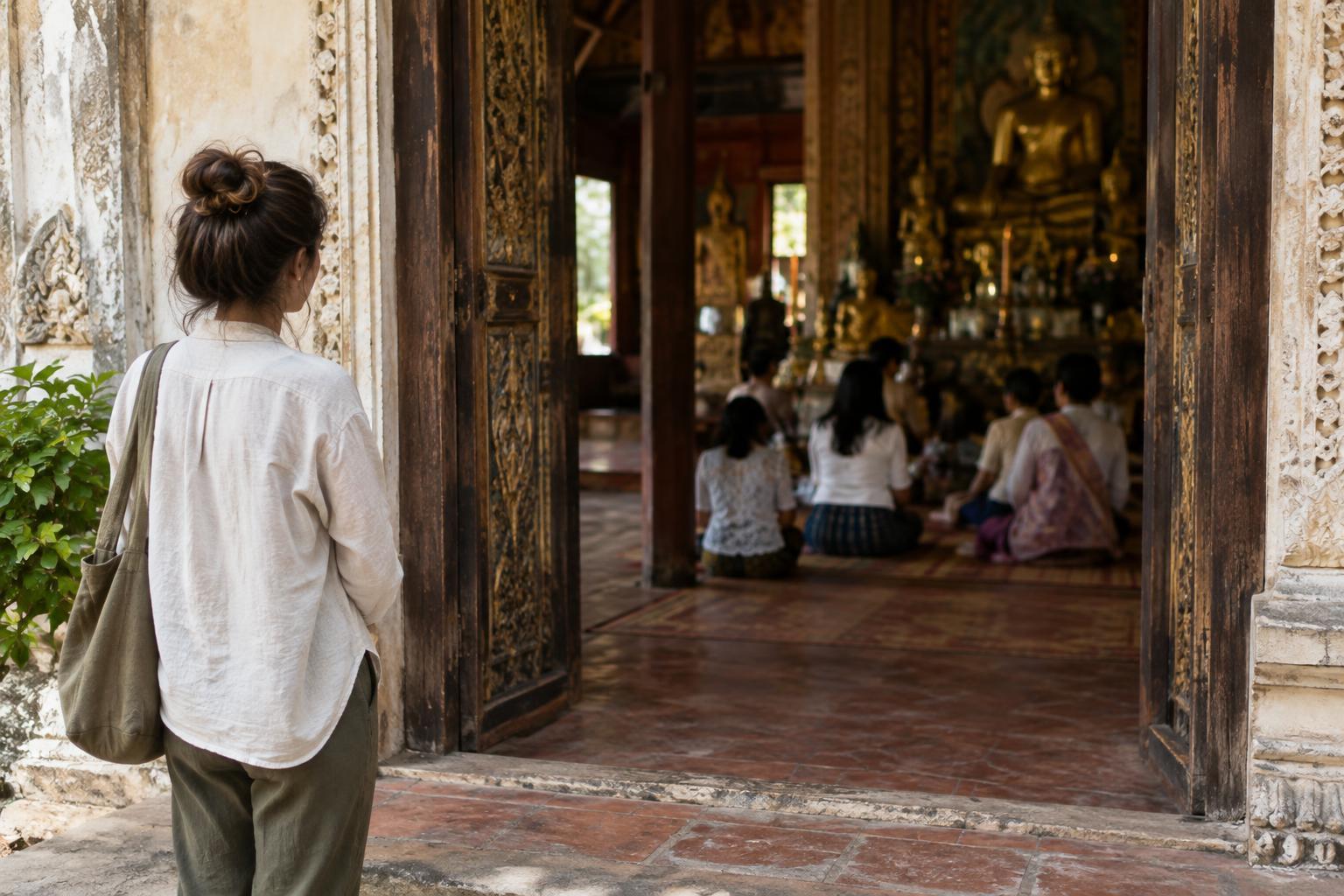
Sometimes the most respectful choice is not to enter. Step back if you encounter a gathering that appears to be a funeral, a family milestone, or a small ceremony with no clear provision for observers. Do the same if an area is marked for participants, a doorway is being managed, or someone tells you the event is private. Do not ask a participant to make an exception while they are occupied with the occasion.
Your presence can also become intrusive after you have been welcomed. If seats fill, you are obstructing movement, or a host changes the guidance, move or leave quietly. If you arrive late and cannot enter without crossing the ceremonial space, wait outside rather than slipping through. When you are unsure, an adjacent public area or a later visiting hour may offer a better experience for everyone.
Make room for learning beyond the ceremony
A ceremony is not the only way to understand a religious tradition. Many communities offer tours, open days, exhibitions, talks, or opportunities to speak with a guide when worship is not in progress. These settings may be better suited to questions about symbolism and history. If a donation is invited, follow the stated guidance rather than treating payment as a way to secure access or attention.
Afterward, describe what you saw with care. You may not know the significance of every action, and one gathering cannot represent an entire faith or community. Instead of presenting a brief visit as expertise, note what hosts chose to explain and what you remain unsure about. A good cultural experience leaves space for the people whose ceremony it is to define its boundaries.