Start with the trip you want, not the photograph
A fjord trip can mean a short scenic cruise, a week of hiking with boat excursions, or a longer journey through remote coastal landscapes. Norway, New Zealand and Chile all offer steep-sided waterways shaped by glaciers, but the experience around them differs. The best choice depends less on which view looks most dramatic and more on how much time, flexibility and effort you want to devote to reaching it.
If you want several fjord viewpoints linked by towns and transport options, start with Norway. If you want to pair one or two iconic boat trips with hiking and a broader South Island road trip, consider New Zealand. If remoteness and a sense of expedition are central to the appeal, look closely at Chilean Patagonia. None requires you to travel only by boat, but the amount of planning needed to combine land and water varies considerably.
Norway: Variety and flexible routes
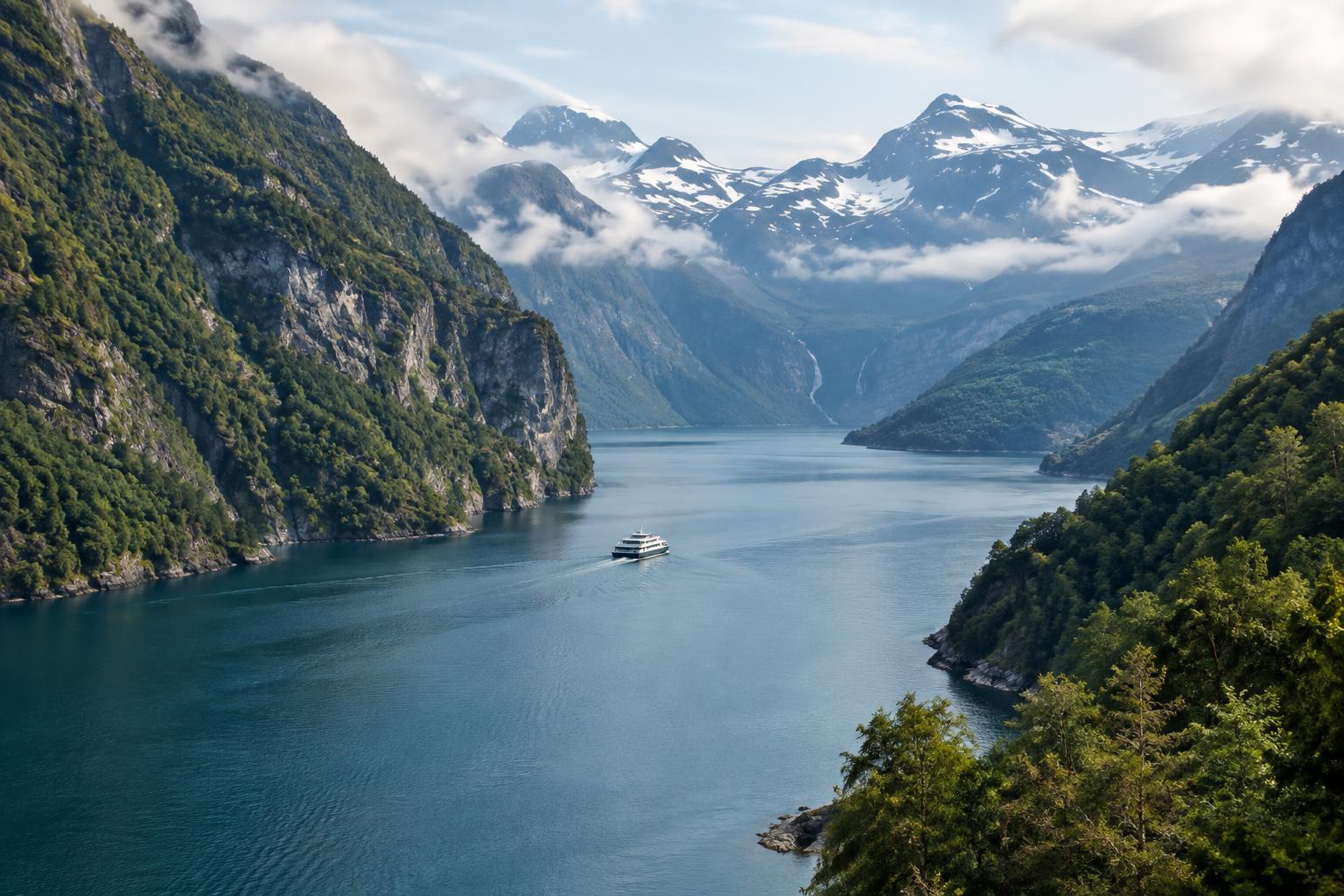
Western Norway offers numerous ways to experience fjord scenery: cruises and ferries on the water, roads and trails above it, and villages where you can pause between outings. Areas around Flåm, Nærøyfjord and Geiranger are common starting points for a first trip. Rather than trying to collect as many named fjords as possible, choose one or two areas and allow time to see them from different angles. A waterside walk and a viewpoint hike can feel quite different from a boat crossing.
Norway suits travelers who value route choice. Depending on the area, you may be able to combine public transport with ferries, or use a rental car for greater freedom over stops. The trade-off is that popular viewpoints and services can be busy in peak travel periods, and everyday expenses may take a substantial share of your budget. Check transport connections carefully: distances that look short on a map can involve slow roads, ferry crossings or changes between services.
New Zealand: A fjord highlight within a South Island trip
Fiordland, in New Zealand’s southwest, is a strong choice if you want fjords alongside mountains, lakes and walking trails. Milford Sound, also known as Piopiotahi, is often visited on a day trip by road and boat. Doubtful Sound, also known as Patea, generally takes more time to reach because the journey involves multiple transport legs. That extra commitment may appeal if you would rather devote a full day or longer to one place than fit several stops into a fast itinerary.
A New Zealand trip works particularly well when the fjord visit is part of a longer South Island route. Te Anau can serve as a base for Fiordland, while Queenstown can be useful for a broader itinerary, though it is farther away. Rain is part of the landscape, not necessarily a reason to abandon a visit: waterfalls can be especially striking in wet conditions. Still, cloud and road conditions may affect what you see or how you travel, so avoid making a single tightly timed excursion the sole purpose of a long journey.
Chile: Remote waterways and a longer adventure
Chile’s fjords stretch through Patagonia’s intricate southern coast, where islands, channels and mountains create a different sense of scale. This is not usually a matter of driving to a viewpoint, taking a brief cruise and returning to the same town. Boat journeys, ferries or organized excursions may form a significant part of the trip, and reaching a suitable departure point can take time. Some travelers combine coastal travel with land-based hiking elsewhere in Patagonia, but those experiences need to be connected with realistic travel days.
Choose Chile if you are excited by the journey between places as much as by a particular fjord photograph. Route options and sailing schedules can shape the entire itinerary, so decide first which stretch of coast you hope to experience, then build the rest of the trip around available transport. Compared with a short fjord stop in Norway or New Zealand, this approach may demand more time and a larger contingency allowance. It can be rewarding for travelers comfortable with fewer fixed sightseeing moments and more time in transit.
Match the season, budget and pace to your choice
The three destinations do not share the same summer. Norway’s longer, milder days fall in the Northern Hemisphere summer, while New Zealand and Chile have their warmest seasons during the Southern Hemisphere summer. Conditions around fjords can change quickly in any season, and rain or wind can affect boat trips, roads and hiking plans. Look at the specific region and activities you want, rather than assuming a country-wide seasonal rule will cover them.
For a budget-conscious plan, compare the full trip rather than the price of a cruise. Include flights, ground transport, accommodation near your departure point, meals and a spare night if a connection is important. Norway may make it easier to assemble a shorter, multi-stop route; New Zealand can justify its long-haul journey when you also want to explore the South Island; Chile is often best treated as a substantial Patagonia trip. Whichever you choose, protect some unplanned time. A slower itinerary gives you room for changing weather and a better chance to enjoy the landscape beyond a single scheduled boat ride.