Learn what kind of place you are entering
A memorial, cemetery, former prison, battlefield, or historic neighborhood may be a visitor attraction, but it may also be a place of grief, worship, or ongoing community life. Before you go, read the site’s visitor guidance and a brief account of what it commemorates. Check practical details such as opening hours, entry requirements, dress expectations, and whether certain areas are restricted. Knowing the basics helps you arrive ready to listen rather than expecting the site to explain every detail at the gate.
Leave room for more than one perspective. An exhibition may focus on particular people or events because of its purpose or available records; it may not tell the whole story of a place. Where possible, pay attention to accounts from people and communities directly connected to the history. You do not need to become an expert before visiting, but curiosity and humility are better starting points than treating a difficult past as a sightseeing challenge.
Let the site set the tone
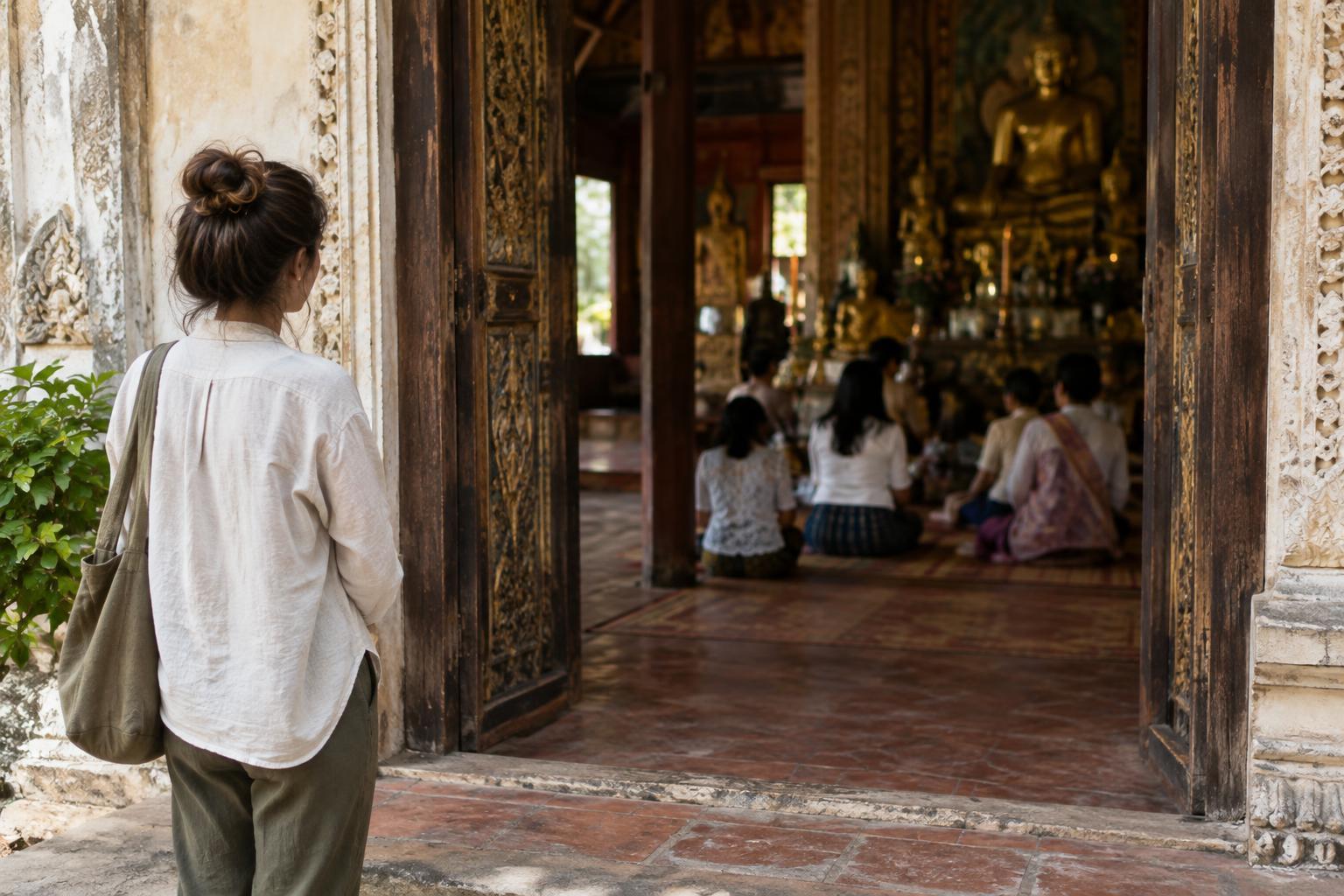
On arrival, notice signs, staff instructions, and the behavior expected in each area. Some spaces invite conversation, while others call for silence. Keep your voice low where people are reflecting, and step aside rather than blocking an entrance or display to read a map. If a ceremony, school group, or family gathering is taking place, give participants space. At an active religious site or cemetery, remember that visitors may be there for reasons unrelated to tourism.
Respect barriers even when an object or viewpoint seems close enough to reach. Do not touch artifacts, lean on monuments, remove stones or flowers, or leave your own offerings unless the site permits it. These boundaries can protect fragile material and preserve a place’s meaning for others. If a rule is unclear, ask a staff member rather than relying on what another visitor is doing.
Think before taking or sharing photographs
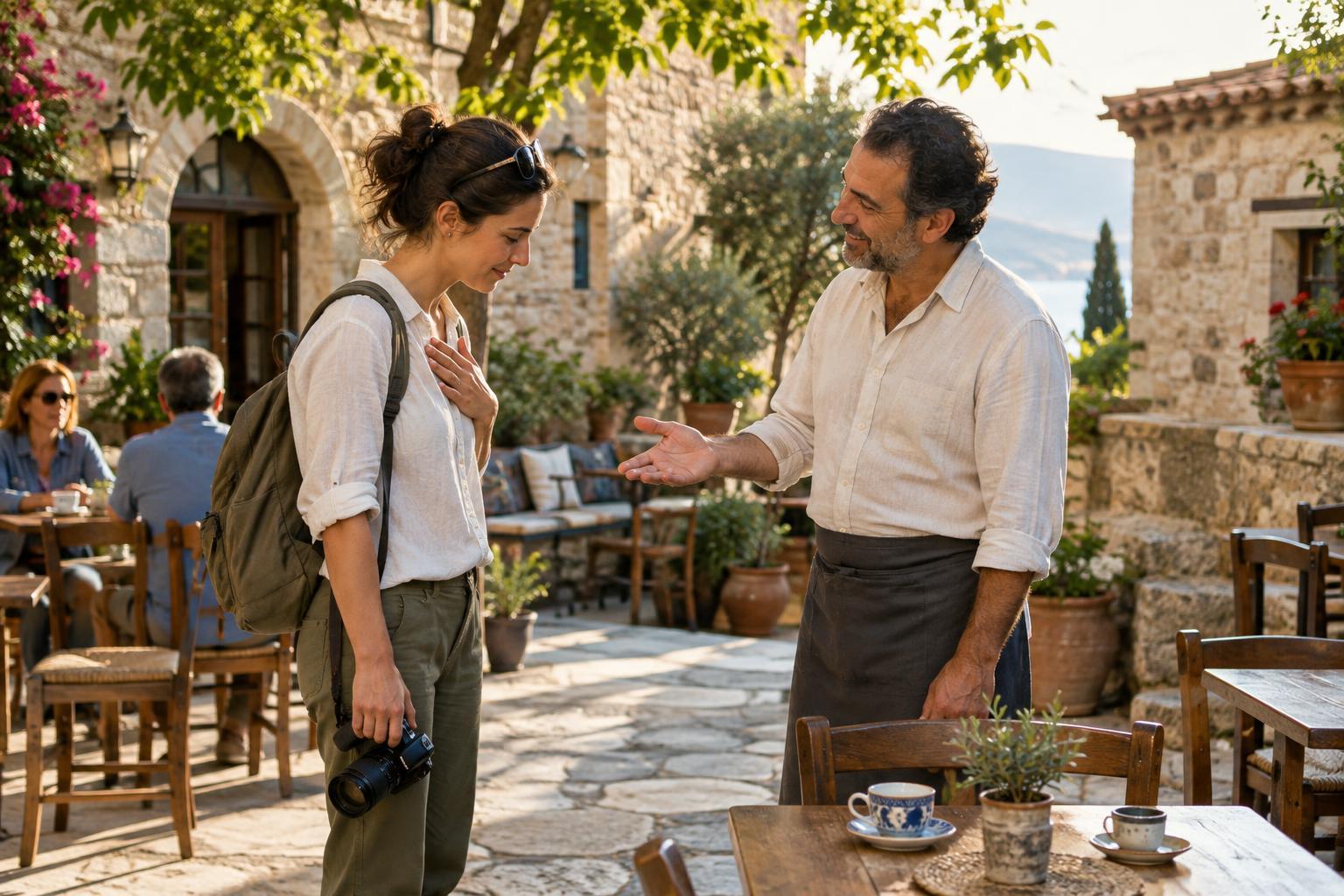
Photography rules vary, so check them before raising your camera. Flash, tripods, filming, or photographs in particular rooms may be prohibited. Even where photography is allowed, permission is not the only consideration. Ask before photographing identifiable people, especially those praying, mourning, or taking part in a ceremony. If you want to remember a personal story or an exhibit, a written note may be more appropriate than a picture.
Consider what an image communicates once it leaves the site. A cheerful pose in front of a memorial to suffering can seem dismissive even if that was not your intention. Avoid staging shots that turn graves, names, or accounts of harm into a backdrop. When sharing a photograph, give enough context to identify the place accurately and avoid making someone else’s experience chiefly about your visit. It is also fine to put the camera away and spend your time reading.
Make space for difficult stories
Historic sites can present violence, displacement, discrimination, or loss. Read descriptions with care, and do not assume that every visitor will react in the same way. Give yourself enough time to move at a considered pace, including a break if you need one. If you are traveling with children, look ahead for guidance on age suitability and prepare a simple, honest explanation of what they may see. Let questions lead the conversation without asking them to absorb more than they are ready for.
A guided tour can provide context that is easy to miss on your own. Choose an option that suits your time and comfort level, listen without interrupting personal testimony, and save complex questions for an appropriate moment. Thoughtful questions seek understanding; they do not demand that a guide or other visitor defend an entire community’s history. If accounts differ, note the difference and continue learning rather than insisting on an instant, tidy conclusion.
Carry the respect beyond the visit
The surrounding neighborhood is part of the experience, not simply a route to the entrance. Follow local parking and access rules, keep noise down near homes, and use designated paths and facilities. If there is an admission fee or a donation option, check what it supports and contribute if it fits your budget. Buying from a local business can be a welcome part of a trip, but it is not a substitute for respecting residents and the site itself.
Afterward, take a moment to reflect on what you learned and what remains unclear. You might read more, discuss the visit thoughtfully with a travel companion, or share practical visitor information that helps others prepare. A respectful visit is not measured by how many photographs you took or how long you stayed. It is shaped by how carefully you paid attention, followed the guidance of the place, and treated the people whose history it holds.