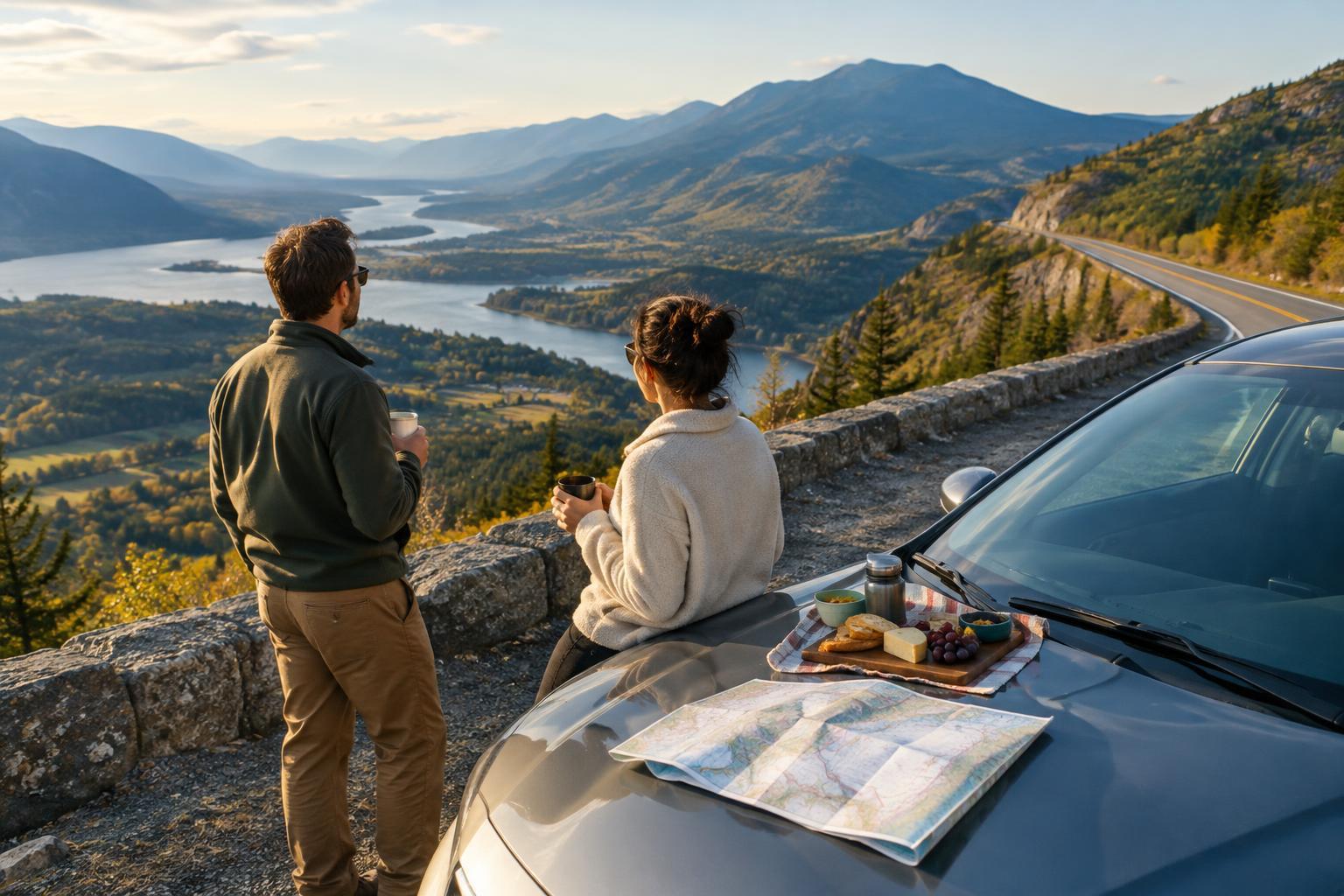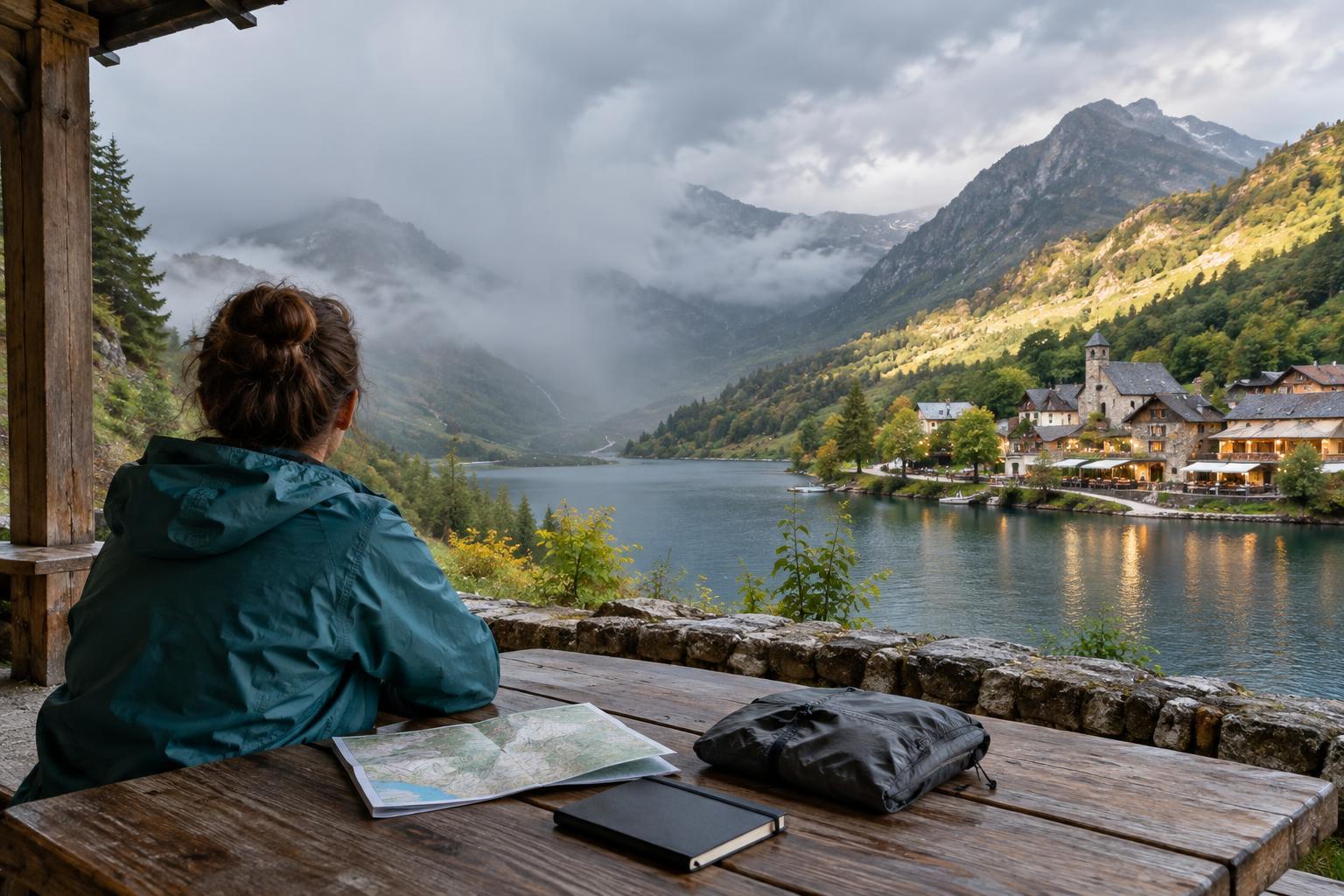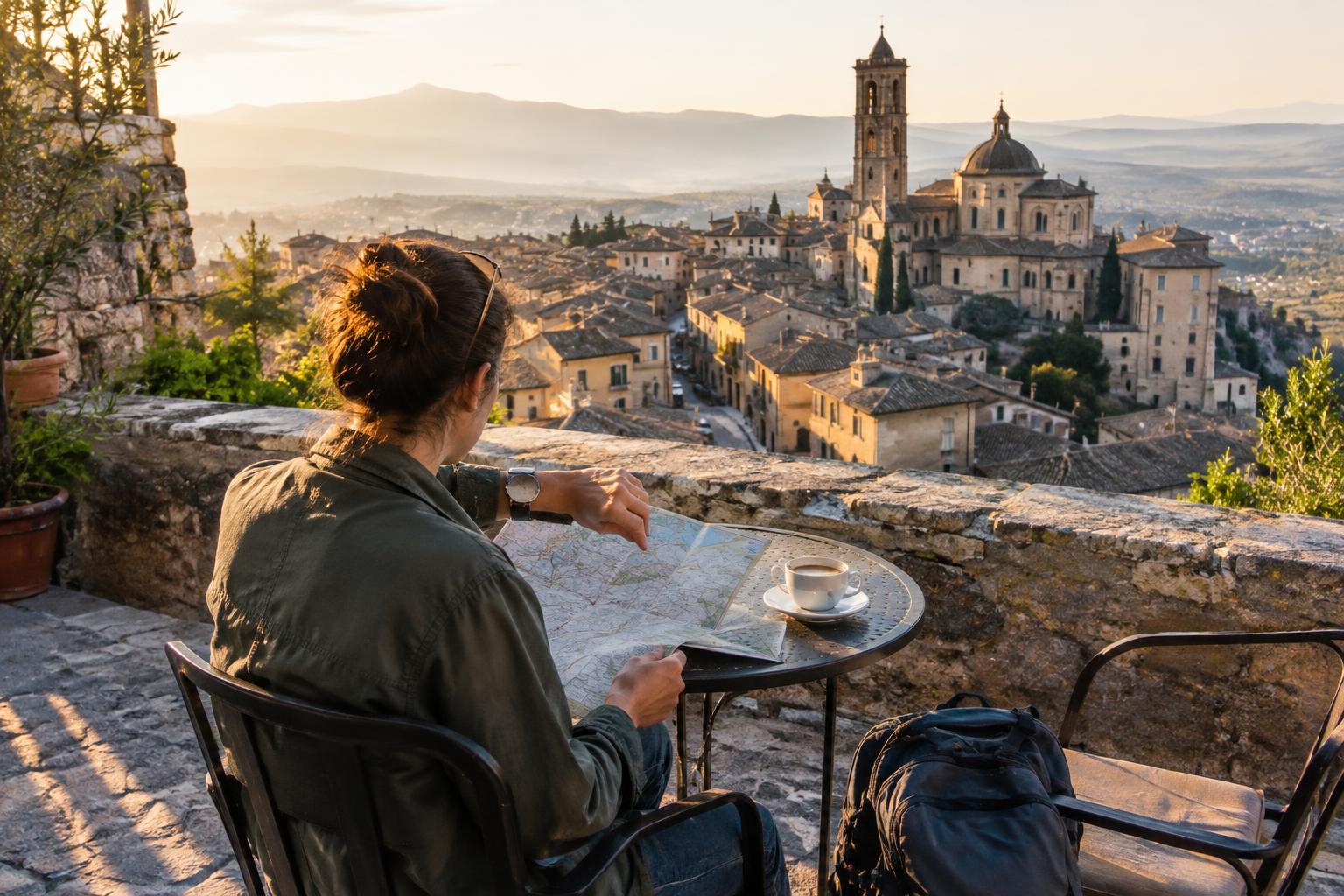
Start with the light available on your travel dates
Daylight is an easy constraint to overlook when an itinerary is still a list of places. A plan that looks comfortable in summer may feel rushed when sunset comes earlier. Before assigning sights to days, check approximate sunrise and sunset times for each destination on your travel dates. Pay particular attention if you are traveling between seasons or across regions with very different day lengths.
Treat those times as planning boundaries, not promises of usable light. Hills, tall buildings and cloud cover can make a place feel dark sooner; an indoor attraction may close well before sunset. Note any experience for which daylight matters, such as a coastal walk, a viewpoint, a garden or a scenic drive. Museums, meals and other indoor stops can often fit into the darker part of the day.
Give your best daylight to your priorities
Choose one or two outdoor priorities for each day and place them in the part of the day that suits them. A long walk may be more comfortable in the morning, while a viewpoint might be worth saving for later light. If photographs matter to you, consider where the sun will be relative to the scene, but do not build the whole day around a perfect sky.
Work backward from a comfortable finish time. For a trail, that means allowing for the outward journey, breaks, the return route and a margin before dark. For a city neighborhood, it may mean arriving early enough to explore before shops close or streets quiet down. A modest plan with time to linger often makes better use of daylight than a packed list that requires constant rushing.
Count transfer time as part of the day
Travel between places rarely takes only the time shown for a train ride or drive. Add the trip to the station, waiting, luggage collection, check-in and the journey to your next activity. If you change time zones, check the local arrival time as well. A midday arrival can leave a pleasant afternoon, but a late-afternoon arrival may leave little practical sightseeing time.
Decide whether the journey itself deserves daylight. A scenic rail route or drive may be a highlight you want to see, while a routine transfer could fit after your main activity if schedules and comfort allow. Avoid making a remote outdoor stop depend on a tight connection. Keeping that stop for the following morning can turn a stressful travel day into an easier one.
Build a schedule that can absorb changes
Use daylight to set a loose order rather than a minute-by-minute timetable. For example, put a walk first, an indoor visit after lunch and dinner after sunset. Leave space between activities for navigation, queues, slower-than-expected travel and the simple pleasure of stopping somewhere unplanned. In places with short winter days, it may be more realistic to choose one substantial outdoor activity than several.
Give each day a flexible alternative. If rain obscures a viewpoint, swap in a museum or a café visit and try the viewpoint another day. If a transfer runs late, know which optional stop you will drop. This approach protects the experiences you care about most without making every change feel like a failed itinerary.
Make a quick daylight check before you go
Once your route is drafted, review each day from arrival to finish. Ask when you will actually reach your first stop, which activities need daylight and whether you can complete them without relying on the last few minutes before sunset. Check opening hours and transport schedules separately, since daylight alone does not tell you when a site is accessible.
Before an outdoor activity, confirm the route and conditions and carry what you need if the day runs longer than expected. A charged phone or a small light can be useful, but neither replaces a sensible turnaround time. The goal is not to fill every bright hour. It is to spend those hours on the parts of the trip that benefit from them most.