Choose one trusted person and agree on their role
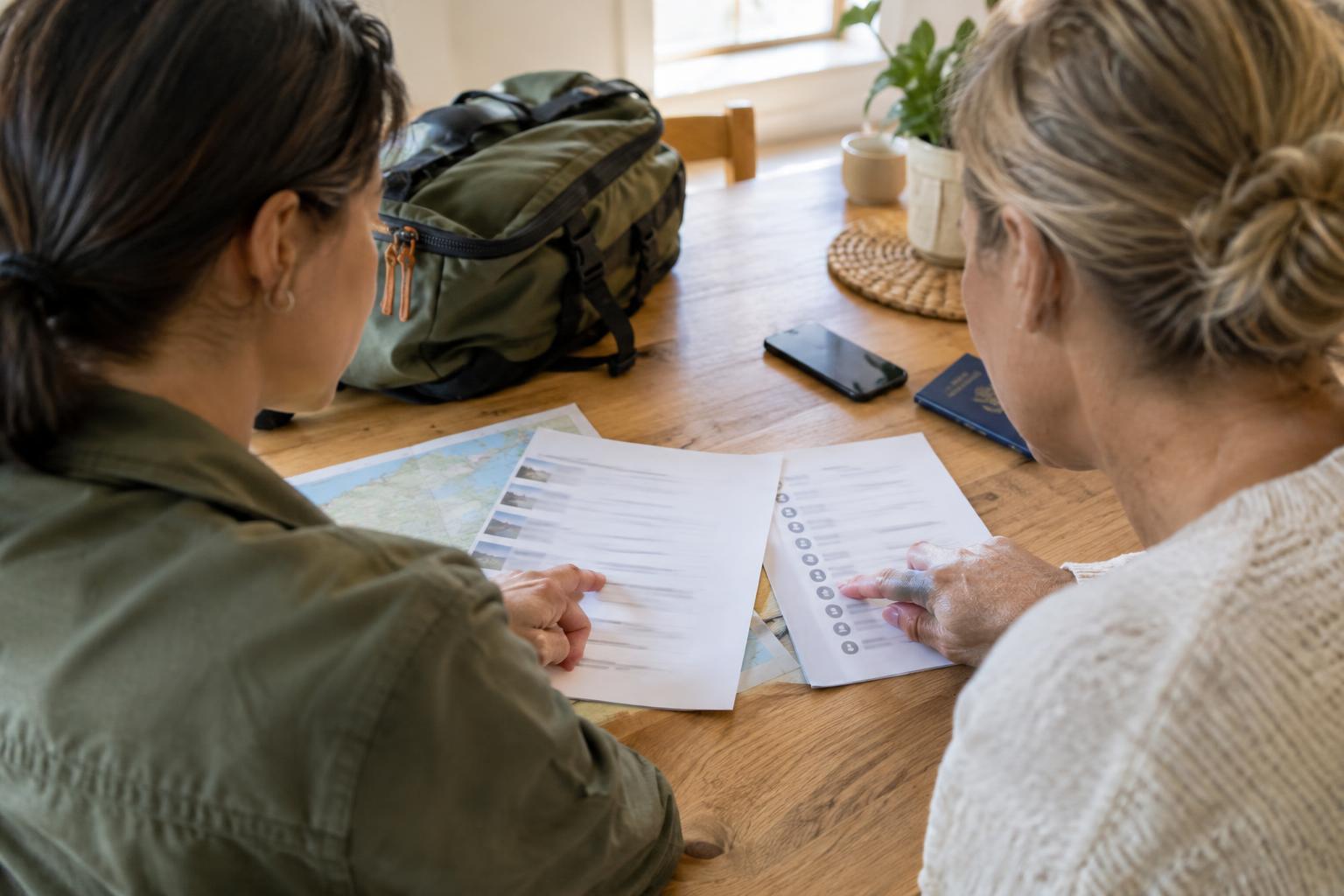
Before you leave, ask someone you trust whether they are willing to be your contact at home. Tell them your travel dates, the broad shape of your trip and what kind of help you might need. Their role might be as simple as holding your itinerary and checking in if you miss an agreed message. Ask rather than assume: the best contact is someone who knows what they have agreed to do and can be reached during your trip.
Decide how you will normally communicate, such as by text, messaging app or email, and choose a backup method in case one stops working. If you are traveling with others, agree as a group before sharing anyone else’s phone number or personal details. You can give your contact a companion’s name and a way to reach them if that person is comfortable with it.
Share an itinerary that is useful, not exhaustive
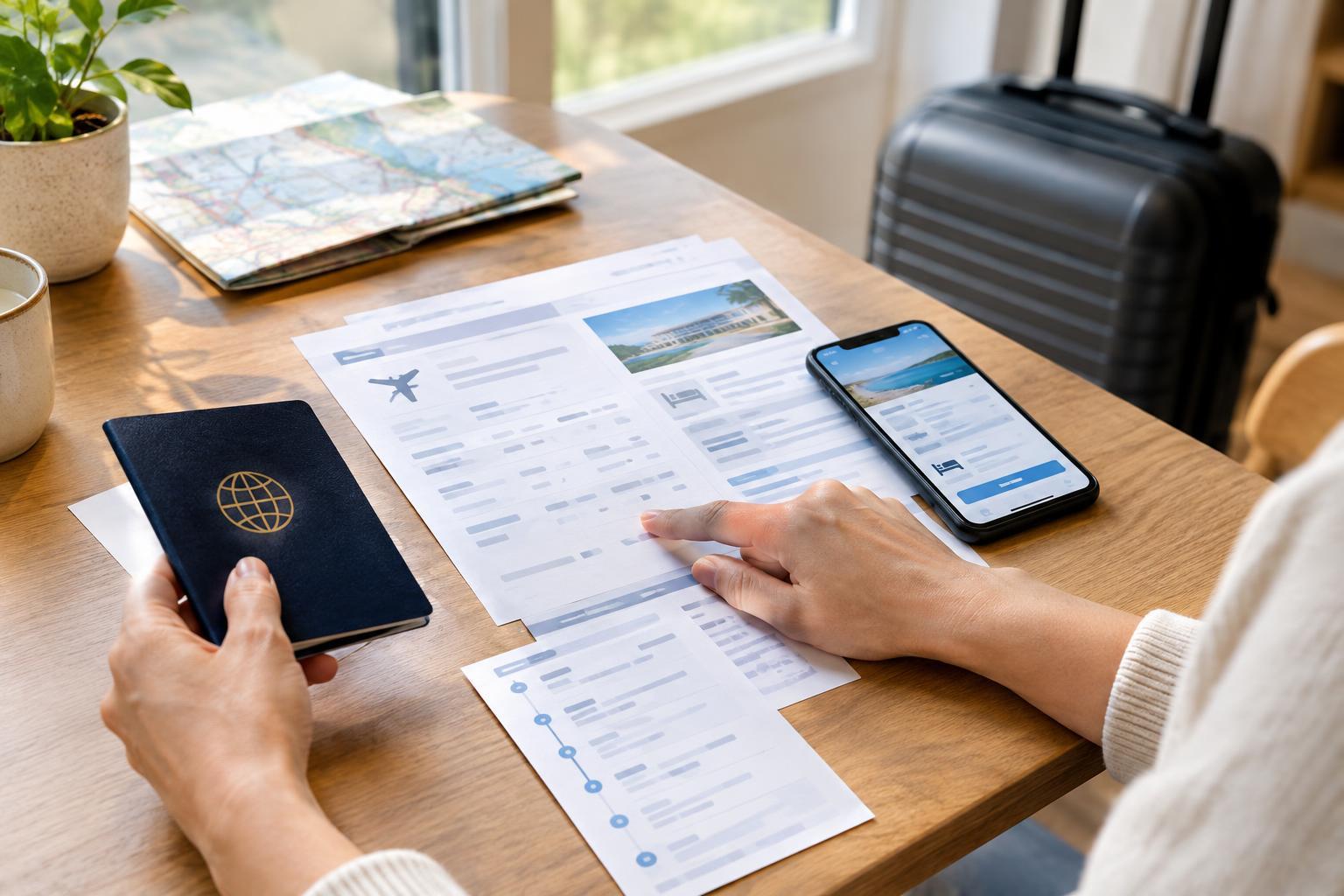
A short trip summary is easier to use than a pile of confirmations. Include your departure and return dates, destinations in order, planned travel days and accommodation names with addresses or contact details. Add flight, train or other booking references where they would help your contact identify a journey. If you have flexible days, label them as flexible rather than presenting a possible route as a fixed plan.
Keep the information in one place your contact can find, such as a shared document or a clearly named email. Note when you expect to update it, especially if you plan to change accommodation or spend time away from reliable service. You do not need to report every meal or sightseeing stop. The goal is to give someone a reasonable starting point for locating you, not to account for every hour.
Make an emergency contact sheet
Create a separate, concise list of people and organizations to contact if something goes wrong. It may include a travel companion, your accommodation, an emergency contact at home, and your travel insurer’s assistance number if you have coverage. Before departure, check the appropriate local emergency numbers and any relevant embassy or consular contact details for your destinations. Save the details on your phone and keep an offline copy for yourself.
Tell your contact which number to try first and why. If you have medical or accessibility information you want someone to know in an emergency, share only what you are comfortable sharing and make clear when it should be used. Avoid putting passport images, payment card details or passwords in a broadly shared itinerary. If access to sensitive documents may be necessary, decide in advance on a secure way to provide it.
Set check-ins that fit the trip
Agree on a check-in pattern you can realistically maintain. A message after a long travel day or a quick note every few days may be more useful than a daily call you are likely to miss. Write down the expected time zone and say whether your check-in time is approximate. Let your contact know about stretches when you may have limited signal, such as remote travel days, and when they should next expect to hear from you.
Make the message simple: “Arrived in the next city; plans unchanged” may be enough. If your route changes, update the shared itinerary and send a brief alert so your contact knows to look at it. Do not rely on live location sharing alone. It can be convenient, but batteries, permissions and mobile coverage can fail.
Agree on what happens if you miss a check-in
A missed message does not automatically mean there is an emergency. Before traveling, agree on a reasonable waiting period and a sequence of steps. Your contact could first try your primary and backup communication methods, then contact a consenting travel companion or your accommodation. If there is a specific reason for concern, they can use the relevant local emergency or consular contacts rather than waiting for the normal check-in window.
Write this plan beside your itinerary so your contact does not have to guess under stress. Before you leave, test that they can open the information and that important phone numbers are readable. When you return, let them know you are home and remove shared access or stored copies you no longer need. That small final step protects your information and gives your contact a clear end to the arrangement.