Decide what cannot go in a checked bag
The simplest way to protect an important item is to keep it where you can monitor it. Pack your passport or other required identification, wallet, payment cards, medications, keys and essential travel documents in the bag that stays with you. The same goes for small valuables and electronics you would struggle to replace during the trip. Checked luggage can be delayed, misrouted or opened for inspection, so treat it as storage for things you can manage without for a day or two.
Think about your personal item separately from an overhead carry-on. On a crowded flight, you may be asked to check a larger cabin bag. A small pouch that can move quickly into your under-seat bag keeps the essentials together if that happens. Before each travel day, check the carrier’s baggage rules and any restrictions affecting batteries, liquids or other items in your bags.
Give every essential a secure, consistent place
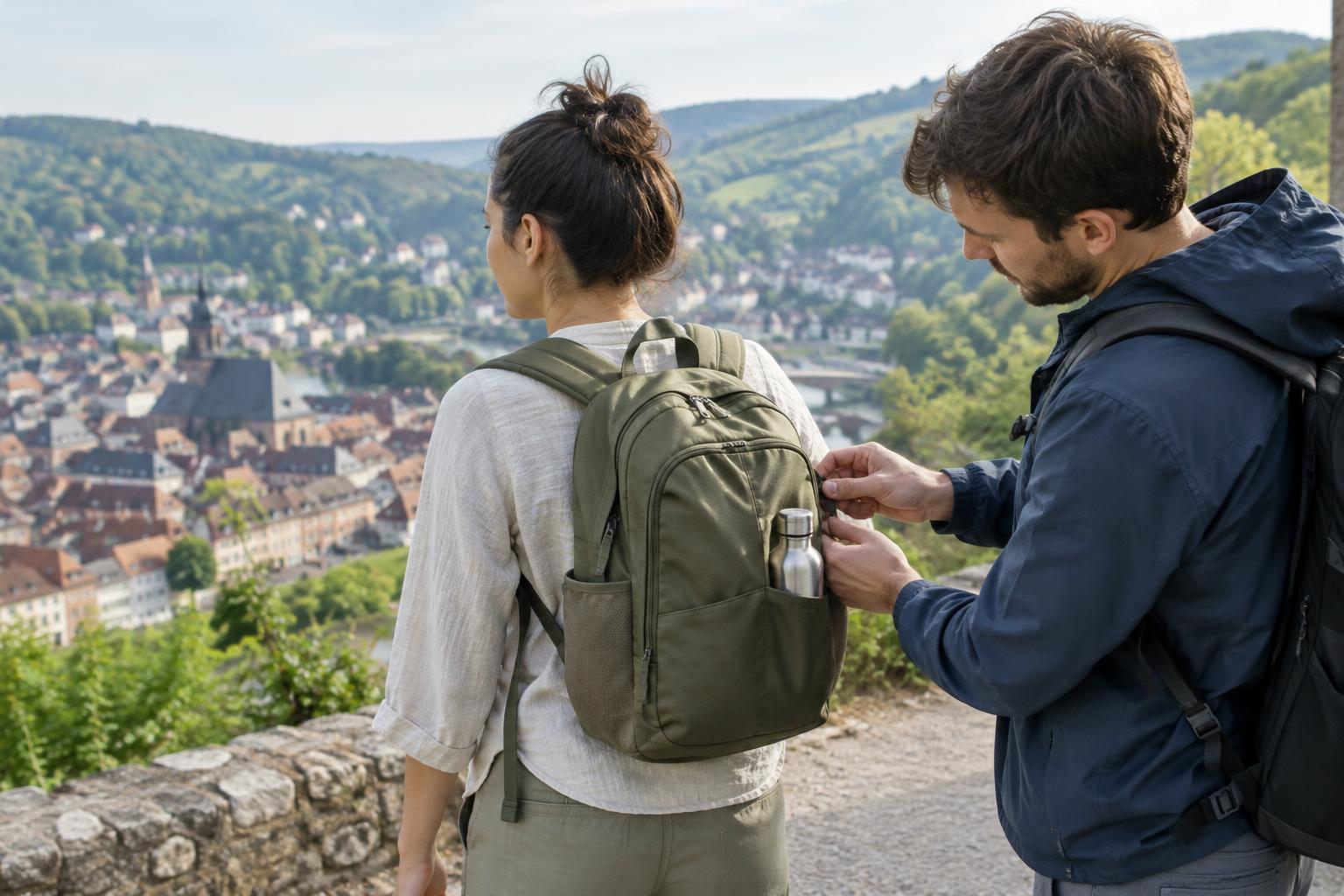
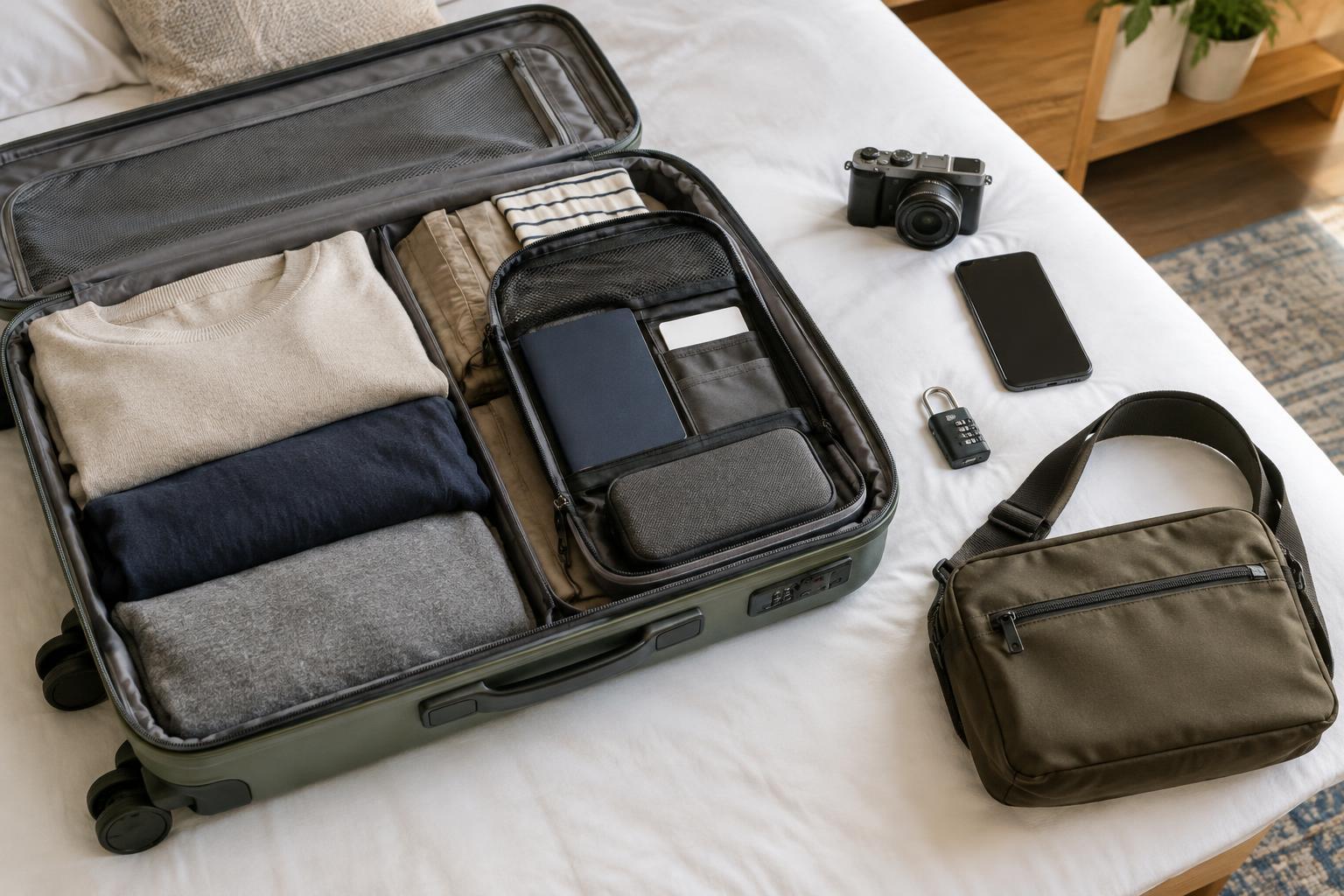
Use a pouch or zippered compartment for documents and choose a different, easily reached spot for items you will need at checkpoints. This reduces the temptation to set a passport or phone on a counter while searching through your bag. Close zippers after every stop, and avoid using an exposed outer pocket for your wallet or identification. A bag that closes fully and sits comfortably against your body is often more useful than complicated security features you find awkward to use.
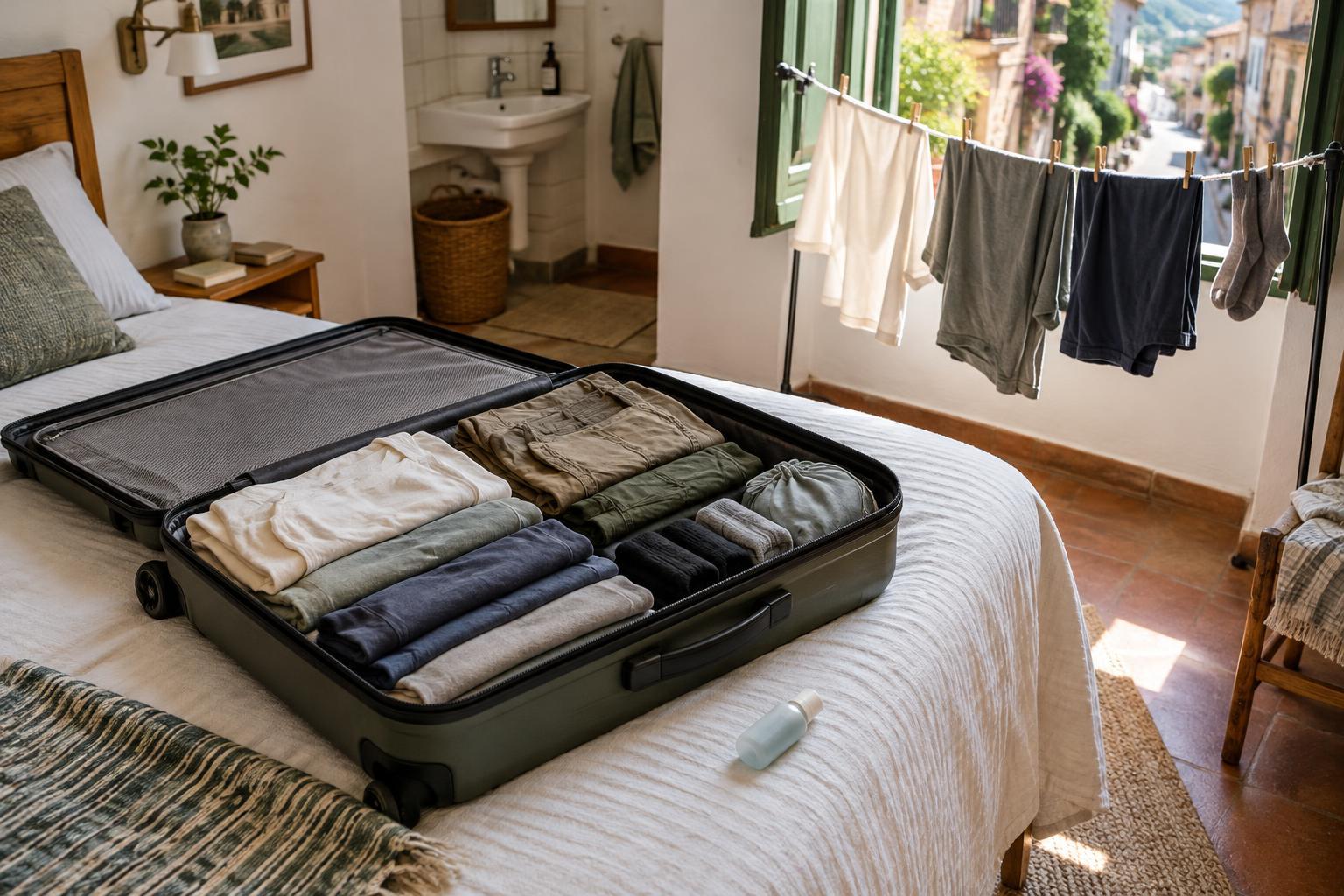
For items left in your luggage, add protection against ordinary bumps and spills. Put electronics in padded sleeves, keep liquids in a separate sealed pouch, and place delicate objects away from the bag’s edges. Luggage locks can discourage casual access or prevent a zipper from opening accidentally, but they cannot make a bag theft-proof. Photograph the contents of a checked bag before departure if you want a simple record of what you packed.
Prepare document backups without creating new risks
Before leaving, make copies of key documents you may need to reference, such as your passport identification page, travel insurance details, booking confirmations and relevant reservations. A paper copy stored separately from the original can be useful if your phone is lost or out of power. You can also save digital copies for offline access and in a protected account you can reach from another device. Use a device passcode and account security settings rather than leaving sensitive files in an easily opened photo gallery.
Backups help you retrieve information; they are not substitutes for an original document when one is required. Only copy what is useful, and consider removing unnecessary files after the trip. Keep a written list of important contact numbers, including your accommodation, insurer and card issuers, somewhere other than your phone. If you travel with someone else, agree on where shared booking information is stored so neither person is the sole keeper of every detail.
Spread out your options during the trip
Avoid putting every payment method and all your cash in one wallet. Keep enough for the day in an accessible place and store a backup card or small reserve separately in a secure location. Separation helps if one bag goes missing, though you should never leave a backup where it is visible or easy to take. At your accommodation, assess the storage available rather than assuming a room safe or locked suitcase offers a guarantee.
When moving between places, keep your personal item within sight or physical reach. In stations, cafés and shared transport, avoid hanging a bag containing documents on the back of a chair or placing it in an overhead area you cannot watch. Check for your passport, wallet and phone at natural transition points, such as before leaving a seat, checking out of a room or getting into a vehicle. A short routine is easier to remember than a different search every time.
Know your first steps if something disappears
Even careful packing cannot eliminate loss, so make a short response plan before departure. If a card goes missing, use your issuer’s available tools to lock or report it. If a passport is lost, contact the appropriate passport authority or consular office for guidance on replacement and travel requirements. For missing checked luggage, report it to the carrier promptly and keep your bag tag and any reference number you receive. Insurance terms and reporting requirements vary, so check your own policy before you need it.
The goal is not to carry a fortress of gear. It is to keep irreplaceable items close, give everything a reliable place and preserve another way to access essential information. A few minutes spent setting up that system can make travel days calmer and leave you better prepared if plans change.