Start with a one-page emergency plan
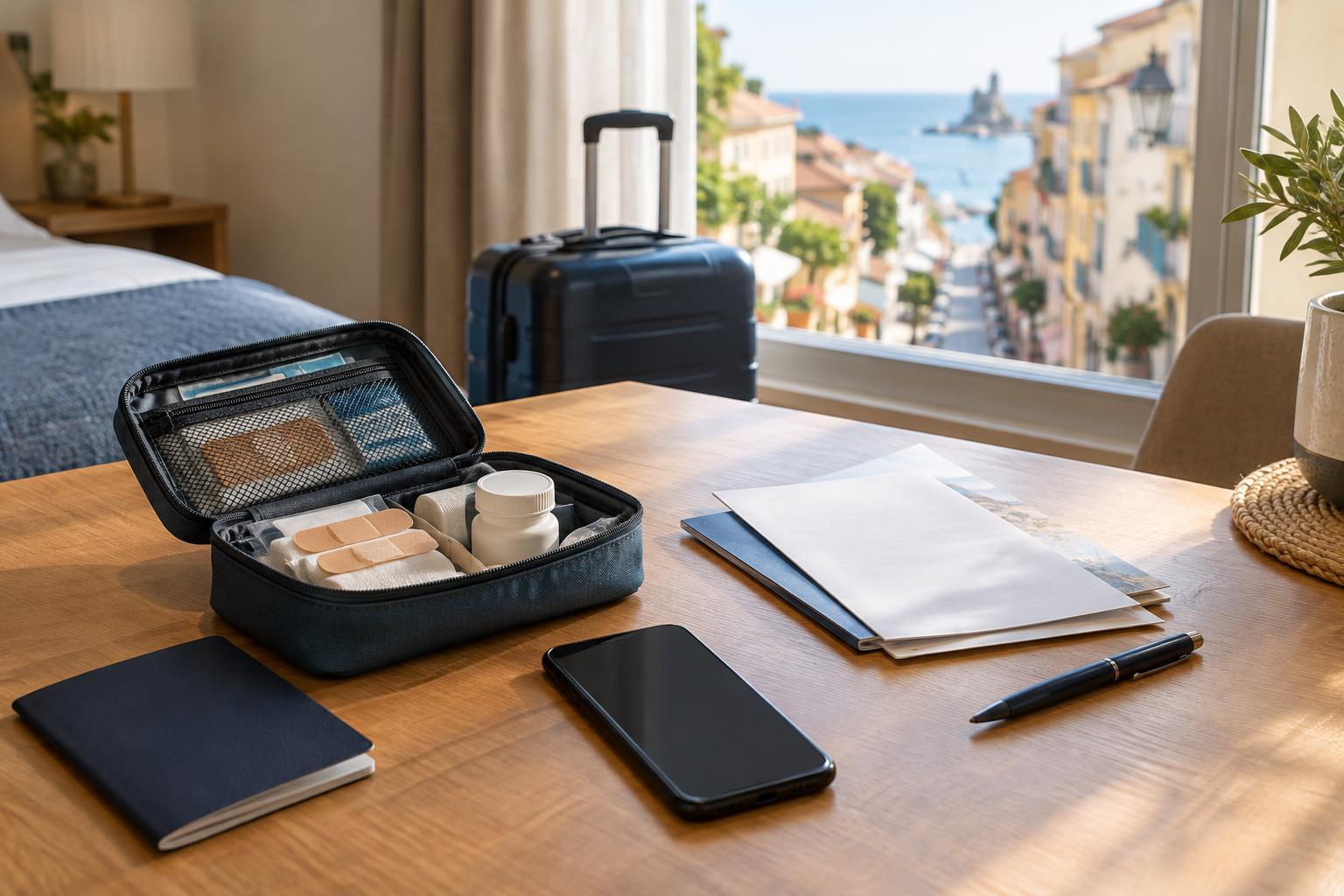
A medical emergency is not the moment to search through booking emails for an address or wonder whom to call. Before departure, make a short plan for each destination. Include the local emergency number, the address of your accommodation, your insurer’s assistance number and the name of an emergency contact at home. Save a copy on your phone for offline access and carry a paper copy in your day bag.
Share the plan with someone you trust. If you are traveling with others, agree on who will call for help, who will stay with the person needing care and who can retrieve identification or insurance details. Solo travelers can tell a trusted person at home where to find their itinerary and arrange occasional check-ins. Keep the plan simple enough to use when everyone is stressed.
Make essential health information easy to find
Carry a concise note with your name, emergency contact, relevant medical conditions, allergies, regular medications and any information a clinician may need promptly. Keep it factual and update it when your circumstances change. If a language barrier is likely, consider having key terms translated before you leave; a translation app may help with conversation, but it is worth keeping essential details available without an internet connection.
Pack medications in your carry-on bag, with enough for the planned trip and a reasonable allowance for delays when possible. Original labeled packaging and a copy of your prescription or medication list may help you explain what you carry. Rules for bringing medicines across borders vary, so check the requirements for every country on your route, including transit stops. Ask your own healthcare professional well before departure about any destination-specific health preparations or concerns.
Know what help and coverage you can access
Travel insurance is useful only if you understand what your policy covers. Before buying or relying on a policy, check its terms for emergency treatment, existing medical conditions, activities on your itinerary, medical transport and the steps required to make a claim. Note any excess, exclusions or requirement to contact an assistance line. Keep policy details and receipts somewhere you can access away from your luggage.
Find out how emergency care is typically accessed at your destination without assuming the process will resemble the one at home. Your accommodation may be able to help you contact local services, while an insurer’s assistance team may help coordinate care covered by your policy. Save those numbers in advance, but in an immediate emergency, seek local emergency help rather than waiting to sort out insurance paperwork.
Plan for practical disruptions
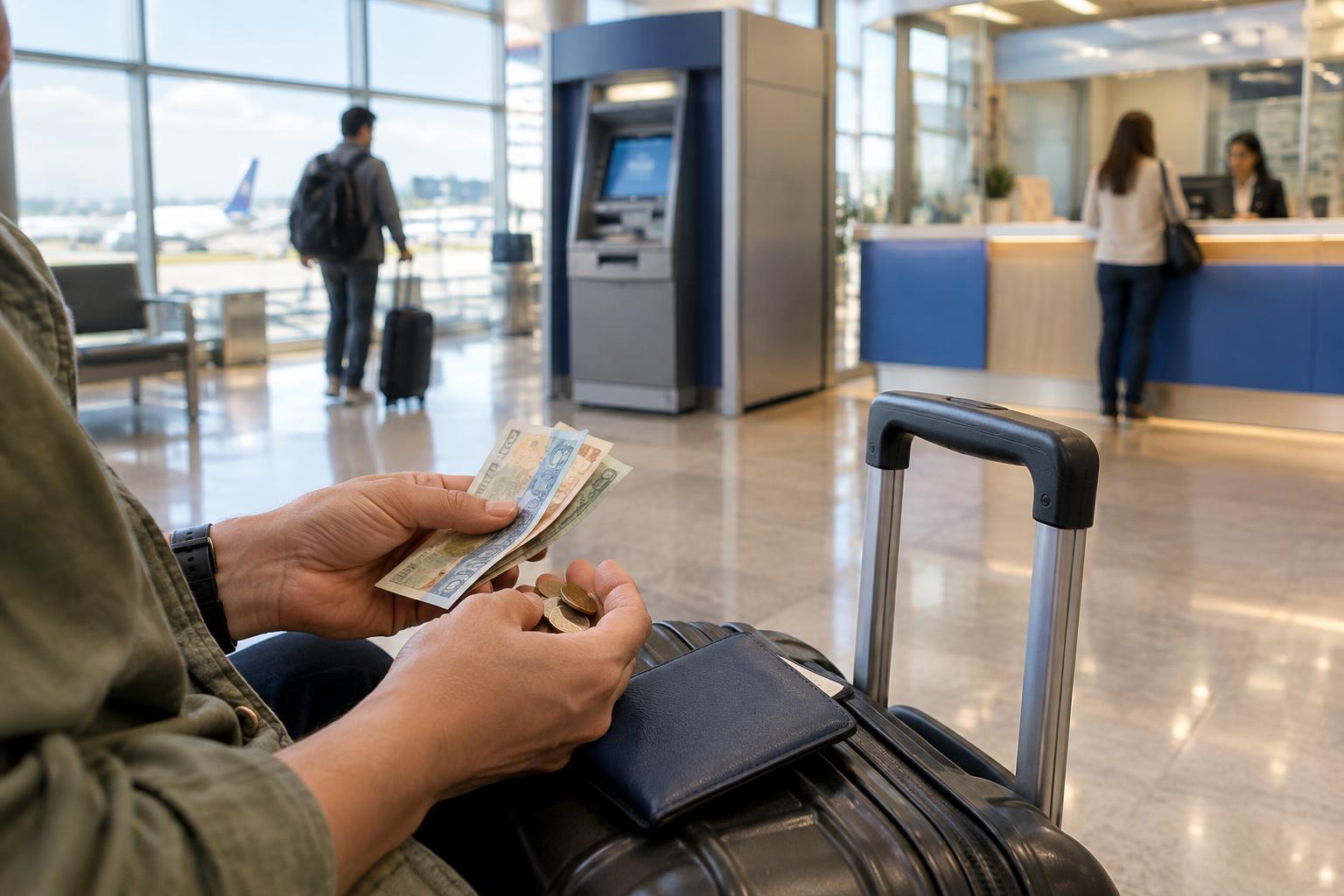
Getting care may also mean missing a train, extending a stay or changing who travels with whom. Keep a small reserve of accessible funds for transport, meals and unexpected accommodation; consider whether you have a payment method that will work if your usual card is unavailable. Store booking references and essential documents in a secure digital location, with a separate offline copy of the details you would need most urgently.
If you are traveling with children, an older relative or someone who needs assistance, think through who could provide support if another person has to visit a clinic or hospital. For remote trips, check how far you will be from help and how you would communicate if mobile service is unreliable. A backup plan might mean carrying a charged power bank, identifying a staffed location or letting someone know when you expect to return.
Review the plan before each leg of the trip
An emergency plan is most useful when it matches where you actually are. When you move to a new city or country, update the accommodation address, local emergency number and contact information. Check that your phone is charged and that everyone who needs the plan can open it. If you use a lock screen that others cannot access, consider carrying a separate card with the most important contact details.
Preparation cannot remove every uncertainty, and it does not replace medical advice or emergency services. It can, however, reduce avoidable confusion: you know how to call for help, where to find essential information and who can manage the next practical steps. Once those basics are in place, you can give the trip itself more of your attention.