Choose the experience, not just the festival name
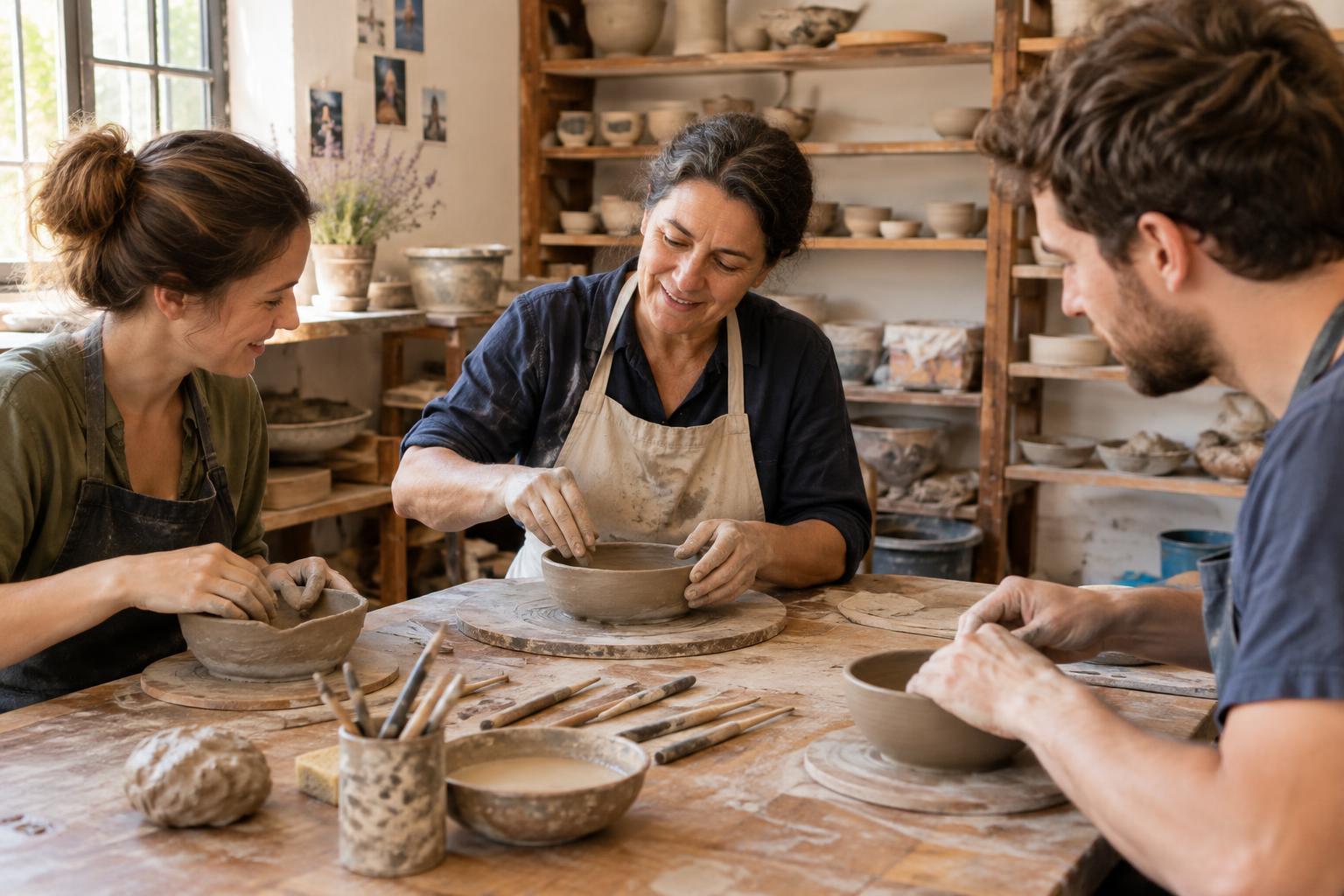
Before building an itinerary, decide what you hope to experience. A festival might include street celebrations, performances, food events, processions, workshops and religious observances. Some activities may be open to anyone, while others may require a ticket, an invitation or participation in a local community. Look at the event’s own visitor information and identify two or three activities that matter most to you.
Check where and when those activities take place. A festival can span several neighborhoods or venues, and its most appealing events may not happen every day. Give yourself enough time to enjoy the place beyond the main celebration, particularly if weather, transport delays or changes to the program could affect your plans. If the experience you want is unavailable, decide early whether the destination still appeals to you.
Sort out tickets and lodging before the details
Separate free public events from ticketed ones when making your budget. For anything you need to reserve, check the official event or venue information for sale dates, entry times, age rules, accessibility details and refund terms. Some tickets cover a specific seat or time slot rather than general admission. Save your confirmations offline, and note whether you need an app, identification or a printed ticket at the entrance.
Book accommodation with the festival locations in mind, not simply the shortest distance on a map. Staying close may make early starts and late evenings easier, but it can also mean more noise or a higher room cost. A quieter area with a straightforward transport connection may suit you better. Before paying, compare the total cost and cancellation terms, and check how you would get back after the events you plan to attend.
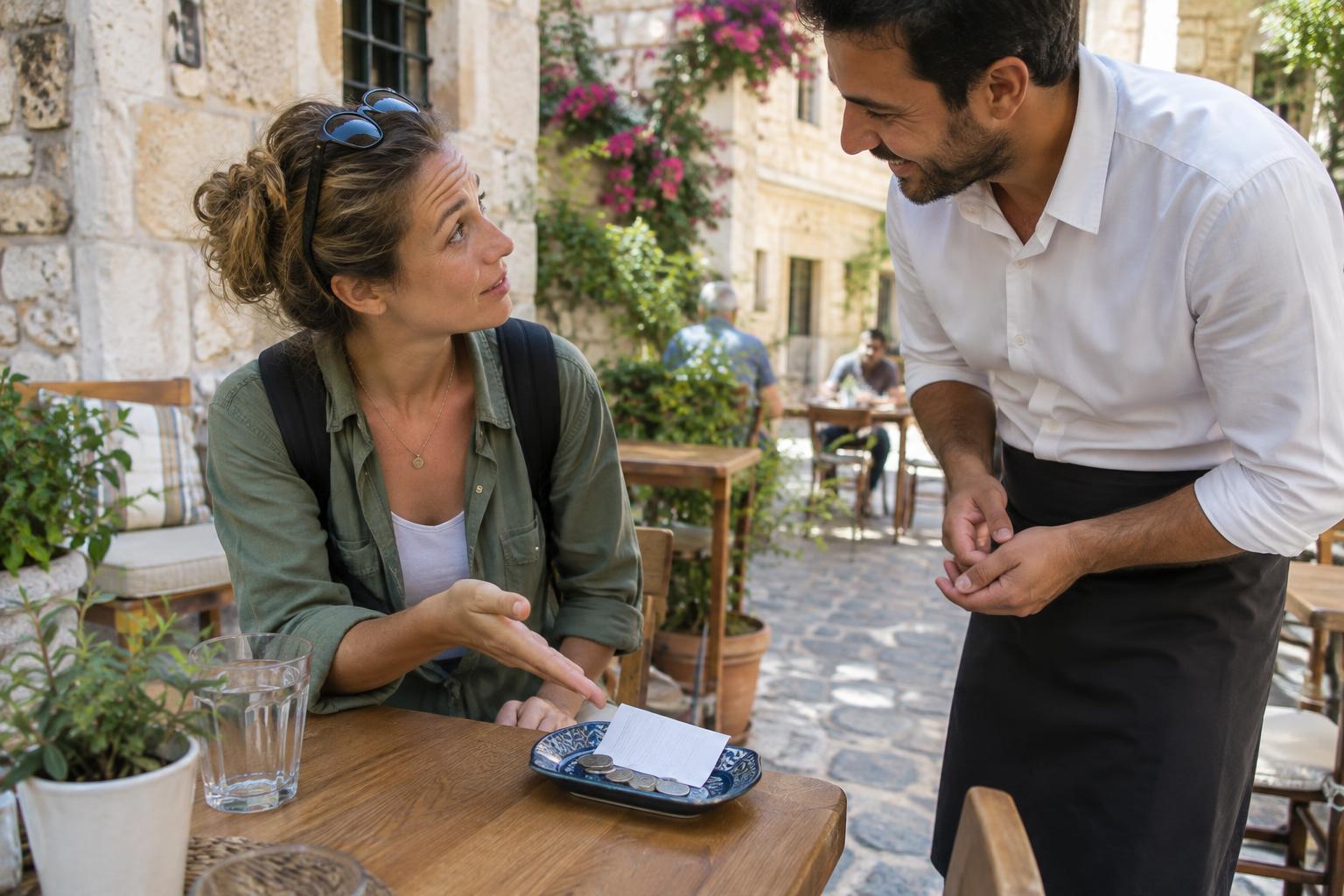
Leave room in the budget for local transport, meals, and a possible change of plans. If tickets or rooms are beyond what you want to spend, consider attending a smaller part of the program or visiting just before or after the busiest days. The goal is a trip you can enjoy without feeling obliged to recover every expense by filling every hour.
Make crowds manageable
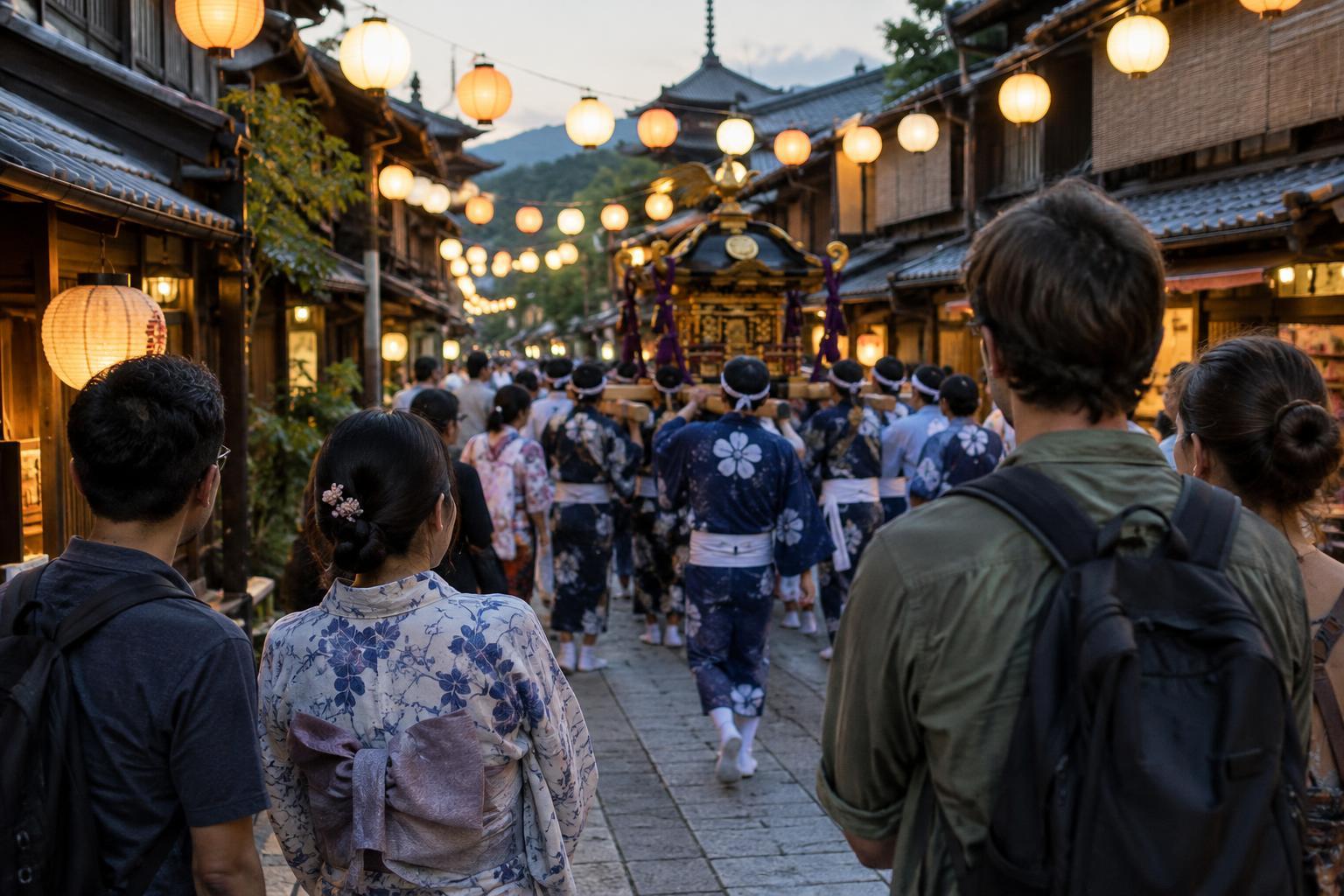
Crowds are often part of the atmosphere, but they can also make a simple journey take longer than expected. Put essential events on your schedule first, then allow generous time to reach them. Check the venue’s entry guidance and local transport options before setting out. If streets may close for a procession or performance, choose a meeting point away from the busiest area in case your group gets separated.
Carry what you need for several hours without overpacking: water where permitted, weather protection, a charged phone and any essentials you cannot easily replace. Follow venue rules on bags, food and re-entry. In busy spaces, keep valuables secure and avoid blocking paths while looking at a map or taking photos. If you are traveling with someone who needs seating or step-free access, confirm the arrangements in advance rather than assuming a public event will be easy to navigate.
Plan a break as deliberately as you plan an event. A quiet lunch, a return to your room or time in a less crowded neighborhood can make an evening celebration more enjoyable. You do not need to see every performance to feel part of the festival.
Learn the local customs before joining in
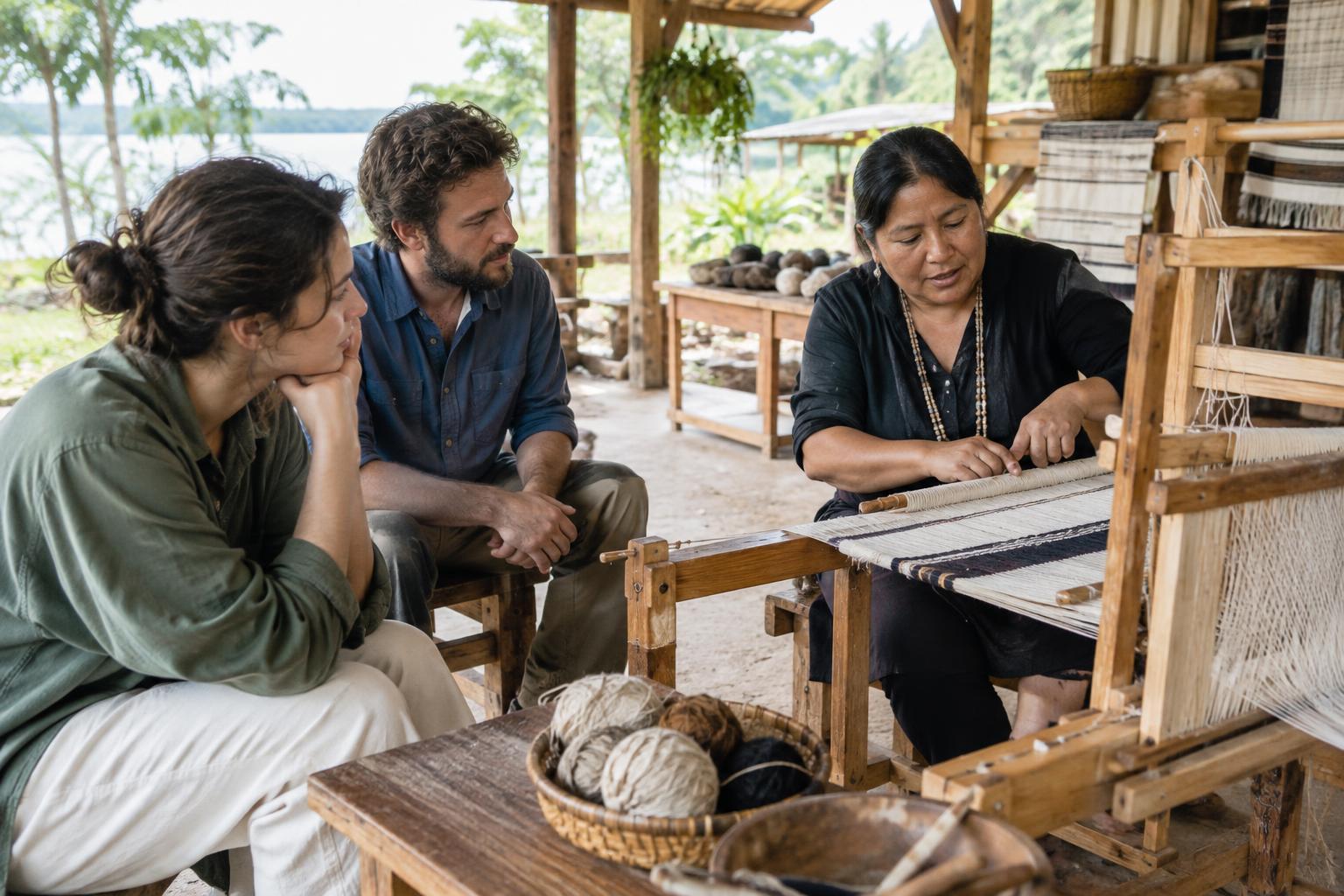
Being welcome as a visitor does not mean every moment is intended as a spectacle. Read any guidance from organizers, venues or places of worship about clothing, photography, conduct and areas reserved for participants. If an event has a ceremonial or religious purpose, observe first and follow the lead of hosts rather than stepping into a procession or ritual uninvited. When you are unsure, ask a staff member or guide politely.
Be thoughtful with your camera. A public setting is not always an invitation to photograph someone at close range, especially during a private or solemn moment. Ask permission when practical, accept a refusal, and keep entrances and sightlines clear. Basic courtesies also extend beyond the event: dispose of rubbish properly, keep noise down near homes, and respect businesses that are serving both residents and visitors.
Build a trip that works even if plans change
Anchor each day with one priority event and add optional activities nearby. Grouping plans by area reduces time spent crossing town and gives you a way to adapt if a venue is full or the weather turns. Keep a short list of alternatives, such as a museum, a walking route or a meal you would enjoy independently of the festival.
Before departure, revisit the program, transport guidance and your bookings; details can change after you first make plans. Share a simple outline with your travel companions, including where to meet and what to do if you lose contact. With the essentials settled, you can pay attention to the celebration itself while still making space for the everyday life of the place you came to visit.