Start with the whole-trip number
Before choosing sights or booking rooms, decide what your budget needs to cover. Include transport to and from the destination, accommodation, local travel, food, activities, travel documents if needed, and any gear you must buy. Costs paid before departure still count. A flight that uses most of your money can leave too little for the experiences you went to enjoy.
Separate costs into three groups: fixed commitments, flexible daily spending, and a reserve. Fixed commitments might include flights or a prebooked train. Flexible spending covers meals, local transport, and activities. Keep the reserve apart rather than treating it as money available for another tour. It gives you room for a missed connection, a change of plans, or costs you underestimated. If the numbers do not fit, adjust the trip length, route, or travel style before making more commitments.
Choose what makes the trip worth taking
Write down the experiences you would be disappointed to miss. Keep the list short and specific: perhaps a guided walk, a scenic rail journey, or a full day in a place that deserves unhurried time. Then separate those priorities from appealing extras. This is not about declaring everything else unimportant; it is about knowing where you want your money and energy to go.
Estimate the cost of each priority, including the expenses around it. A low-cost attraction may require an expensive transfer, while a higher-priced activity near your accommodation may fit easily into the day. Consider how much time each experience needs, too. If one highlight takes most of a day, adding several smaller stops may increase transport costs and leave you too rushed to enjoy any of them. Protect your top choices first, then fill the gaps.
Build a route that does not spend your budget in transit
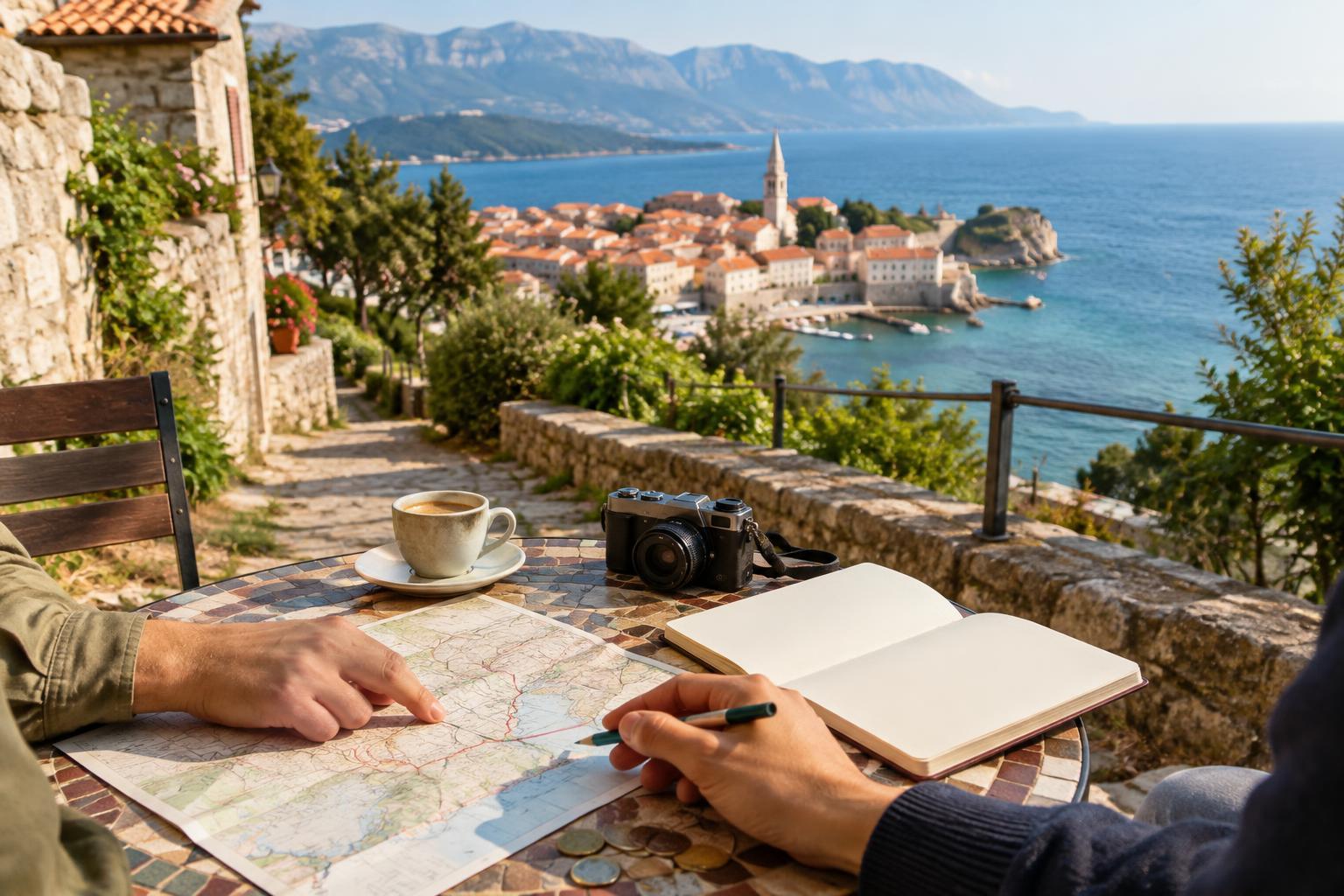
Plot your must-do experiences on a map before settling on a day-by-day plan. Group nearby places together, and look for an accommodation base that makes several days straightforward. Changing cities frequently can add fares, transfers, baggage storage, and awkward check-in gaps. A slower route is not automatically cheaper, but it makes those hidden costs easier to see.
For each travel day, compare the full cost of your options rather than the ticket price alone. A journey may also involve a ride to the station, a meal bought on the move, or an extra night near a departure point. Likewise, a room farther from the places you plan to visit may save on accommodation but cost more in transport and time. Choose the combination that supports your priorities, not simply the cheapest item in each category.
Give every day a spending role
Your days do not need identical allowances. Mark a few as highlight days, when you expect to spend more on an experience you value. Balance them with simpler days built around walking, browsing local markets, resting, or enjoying places with no admission charge. Check opening hours and access rules before relying on a particular stop; a free afternoon only works if the place is open when you arrive.
Plan meals with the same flexibility. You might choose one memorable dinner and keep other meals straightforward, or favor accommodation where you can prepare breakfast. Leave space for small spontaneous purchases rather than itemizing every snack in advance. The aim is to make everyday choices that preserve your highlight budget, not to turn the trip into a test of how little you can spend.
Check the plan before you commit
Put your itinerary into a simple list with a cost estimate for each day. Include accommodation, transport, meals, activities, and anything already paid for. Add the daily totals to the fixed costs and reserve, then compare the result with your limit. Estimates are not promises, so check prices and booking terms before paying, especially for the experiences that shape the trip.
If the total is too high, revise one meaningful choice at a time. Could you stay one fewer night, visit fewer distant stops, or replace an optional paid activity with a slower afternoon? Avoid cutting the experiences that motivated the trip until you have examined the costs around them. A workable budget itinerary is not the one with the fewest expenses; it is the one you can afford while still looking forward to the days you have planned.