Start with the day, not the distance
A route planner can tell you how long a drive might take without meaningful stops. It cannot decide how much of your day you want to spend in the car. Before dividing a route into overnight stops, decide when you would like to leave, when you hope to arrive and what you want to do after arrival. A day that ends with a relaxed dinner calls for a different plan from one that ends at a hotel solely to sleep.
Work backward from that preferred arrival time. Allow time to load the car in the morning, navigate out of town and check in at the other end. If a destination has limited evening food options, an early closing time or an activity booked for late afternoon, treat that as a constraint. The driving time shown on a map should fit inside the day you have available, not fill it.
Give every stop a place in the schedule
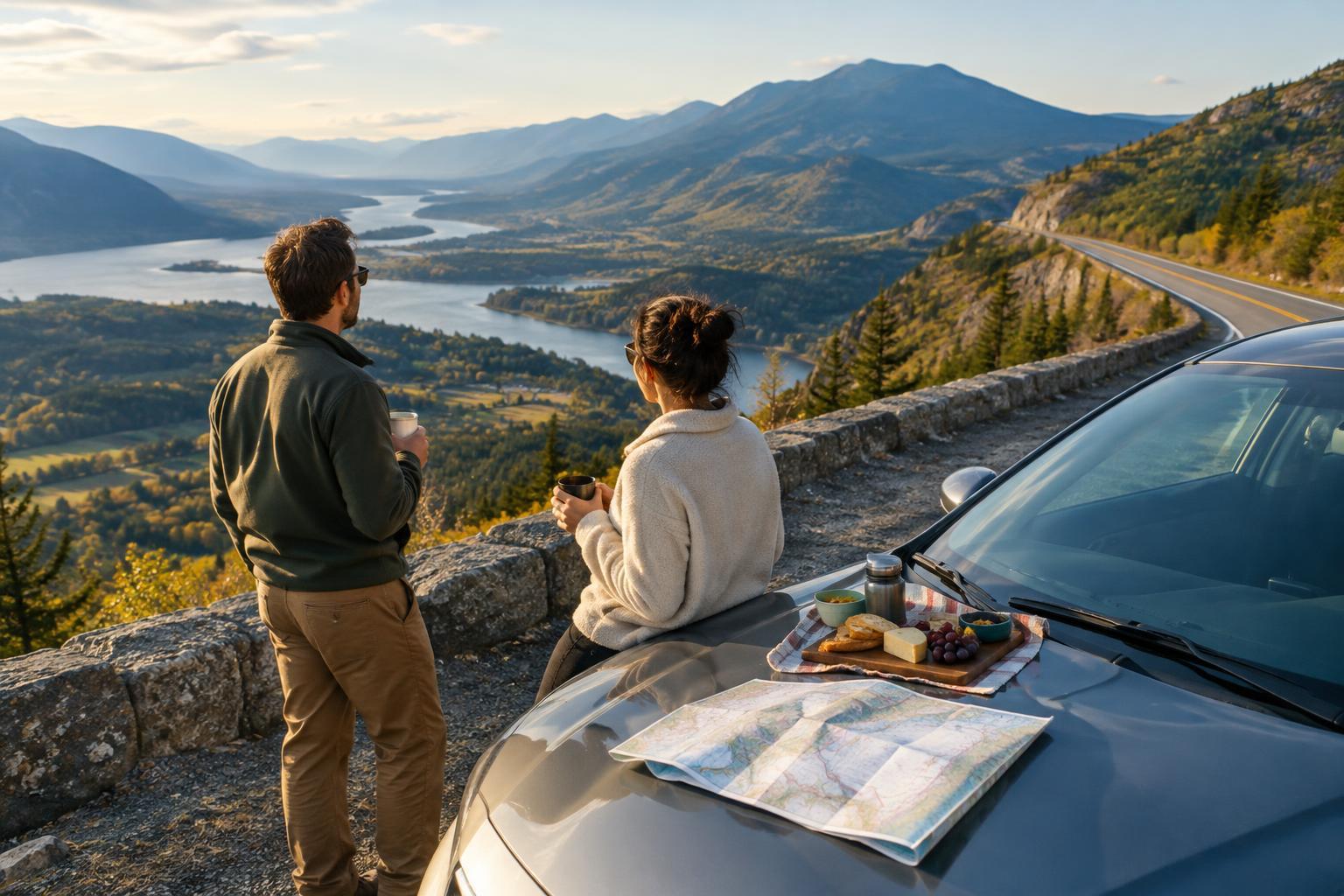
Separate stops into three groups: necessary breaks, planned experiences and optional detours. Necessary breaks include fuel or charging, meals, restroom visits and time to stretch. Planned experiences are places you would be disappointed to skip, such as a walking trail or a museum. Optional detours are appealing only if the day is running smoothly. This distinction helps you protect the purpose of the trip when time gets tight.
Estimate each stop from parking to departure rather than counting only the activity itself. A short walk may also involve finding a space, reaching the trailhead and getting everyone back into the car. A lunch stop in a busy town can take longer than food carried for a picnic. Put your estimates into the itinerary, then look at the full day again. If it now feels rushed, remove a stop or shorten the driving leg.
Test the route with an ordinary-day example
Imagine a day with four hours of mapped driving. Leaving at 9:00 and expecting to arrive at 1:00 assumes no stops at all. Add a break, lunch and a viewpoint visit, and the arrival may move into late afternoon. That can be a pleasant day if the viewpoint is a priority. It may be a poor fit if you also hoped to spend the afternoon exploring your destination.
Try writing a simple sequence for each travel day: departure, first break, main stop, meal and likely arrival. You do not need to schedule every minute. The exercise reveals whether two major attractions compete for the same afternoon or whether a scenic road leaves little time to enjoy its pullouts. On winding roads or routes through unfamiliar towns, consider treating the mapped time as a starting estimate rather than a promise.
Build in room for the unpredictable
Traffic, weather, roadworks and a longer-than-expected stop can change a day without ruining it. Leave some unscheduled time between your expected arrival and anything that requires punctuality. Keep the contact details and arrival instructions for your accommodation handy, and check any access or check-in requirements before setting out. Where possible, avoid making an already full driving day depend on reaching a specific place at the last moment.
Decide in advance what you will cut if you fall behind. Skipping an optional lookout is easier than rushing through a meal, driving when you are too tired or missing a reserved activity. If several days are tightly packed, consider a shorter driving day or an extra night in one place. A little space in the plan gives you more freedom to respond to what you find along the way.
Match the itinerary to the travelers
A realistic pace depends on who is in the car. Children, pets and travelers who need regular movement or quieter breaks may benefit from shorter stretches between stops. A group that loves photography may spend far longer at a viewpoint than one that prefers to keep moving. Discuss those preferences before booking accommodation along the route, especially if the trip includes multiple long days.
Finally, review the whole itinerary rather than judging each day alone. One demanding drive may be manageable; several in a row can leave little energy for the landscapes and experiences that inspired the trip. Mark the days meant for exploring, keep essential stops visible and let optional stops remain optional. The best road trip plan is not the one that covers the most ground. It is the one that leaves enough time to enjoy being there.