Start with the trip, not a generic beach checklist
A resort stay, a coastal road trip, and a week in a small seaside town call for different bags. Before laying out clothes, picture a typical day: how will you get to the beach, where will you eat, and will you return to your room before dinner? Check your accommodation details for towels, laundry access, and any gear you can borrow. Then look at your plans for boat rides, walks, or evenings away from the shore. Packing around those activities is more useful than packing for an imagined beach vacation.
Consider the beach itself, too. Sand, pebbles, and rocky entry points affect your footwear choices. A breezy coast may call for a light layer even when daytime clothes are summery. If you are moving between several stops, prioritize pieces you can carry and wear easily rather than bringing a separate outfit for every occasion.
Build a small wardrobe that works away from the water
Choose lightweight everyday clothes that can handle a little heat, salt air, and repeated wear. A few tops, comfortable shorts or skirts, and one pair of trousers or a longer layer can cover meals, sightseeing, and travel days. A loose shirt or cover-up is useful on the way to and from the beach; choose one you would also be happy wearing on a walk. Pack enough underwear for your laundry plans, plus a dry set of clothes for the journey home.
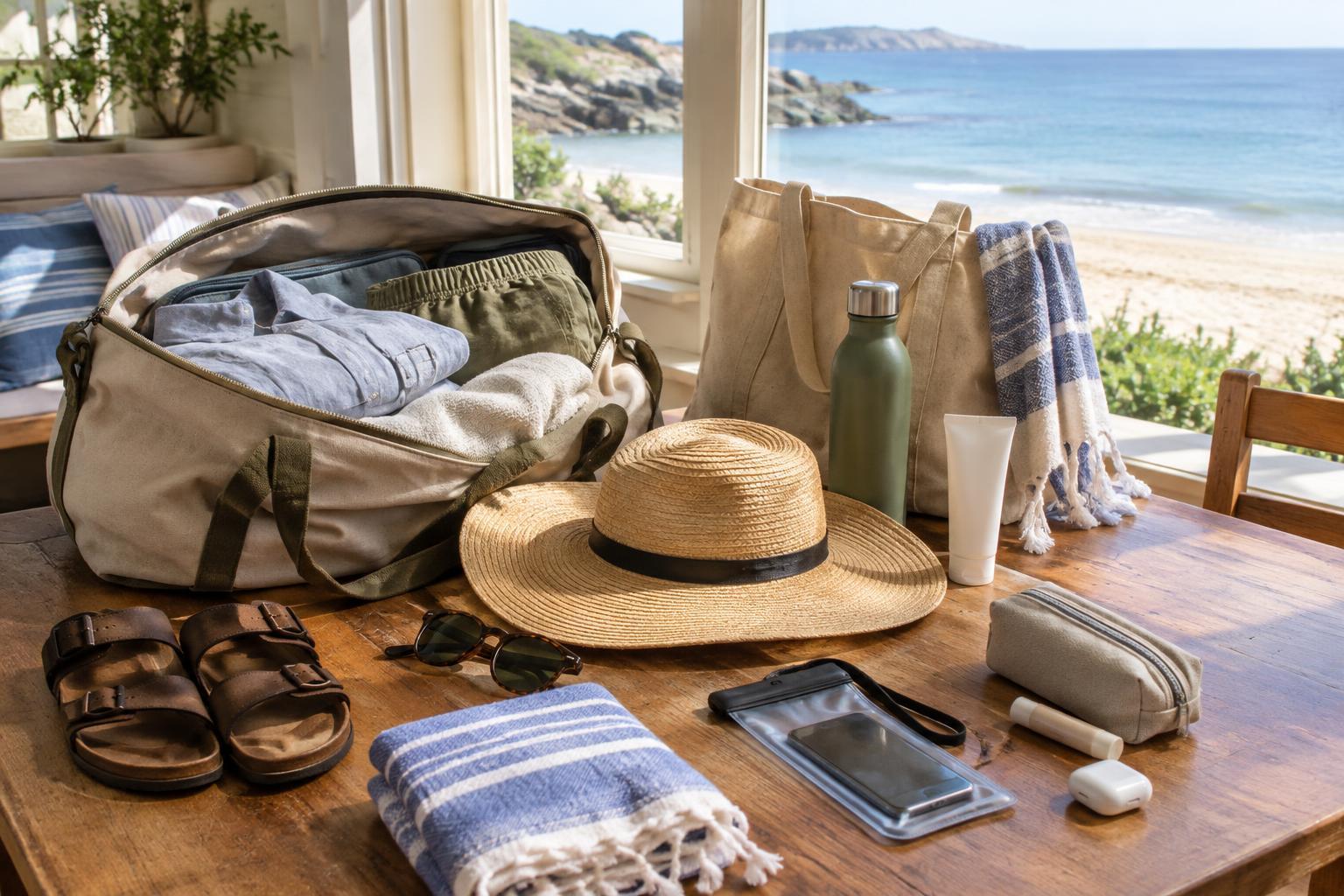
Footwear often takes more space than clothing, so give each pair a job. Sandals or flip-flops work for short beach visits, while supportive walking shoes are better for exploring town or uneven paths. Add water shoes only if your plans or the shoreline make them useful. A light sweater, overshirt, or packable rain layer earns its place when evenings are cool or the forecast is uncertain.
Make sun, sand, and water easier to manage
Pack a hat, sunglasses, and sunscreen you are comfortable using, and check the packaging for directions on application and reapplication. A reusable water bottle makes it easier to bring a drink along, especially when shops are far from the beach. If shade matters to you, find out whether your accommodation or chosen beach has umbrellas before deciding to carry your own. A compact towel or mat can be handy when one is not supplied.
Think about what happens after you leave the sand. A small brush or cloth helps clean feet and gear before they go back into your bag. A reusable pouch can hold damp swimwear until you can hang it up; keep wet items separate from electronics and dry clothes. If you plan to snorkel or paddle, check what is available to rent rather than assuming bulky equipment must travel with you.
Pack a beach day bag with a simple system
Your day bag should be easy to carry when it is full, not just when it is empty. A tote is quick to access; a backpack may feel better for a longer walk. Inside, use one pouch for small essentials such as keys and lip balm, and another for items you want to keep dry. A sealable bag or protective case can help guard a phone against splashes and grit, though it is worth checking its limitations before taking it into the water.
Bring only the valuables you need that day. Keep a payment method, accommodation details, and any required identification somewhere secure rather than loose at the bottom of the bag. If you are traveling with others, agree on a simple plan for watching belongings while someone swims. An extra bag for litter makes it easier to leave your spot as you found it.
Do a final check for the journey around the beach
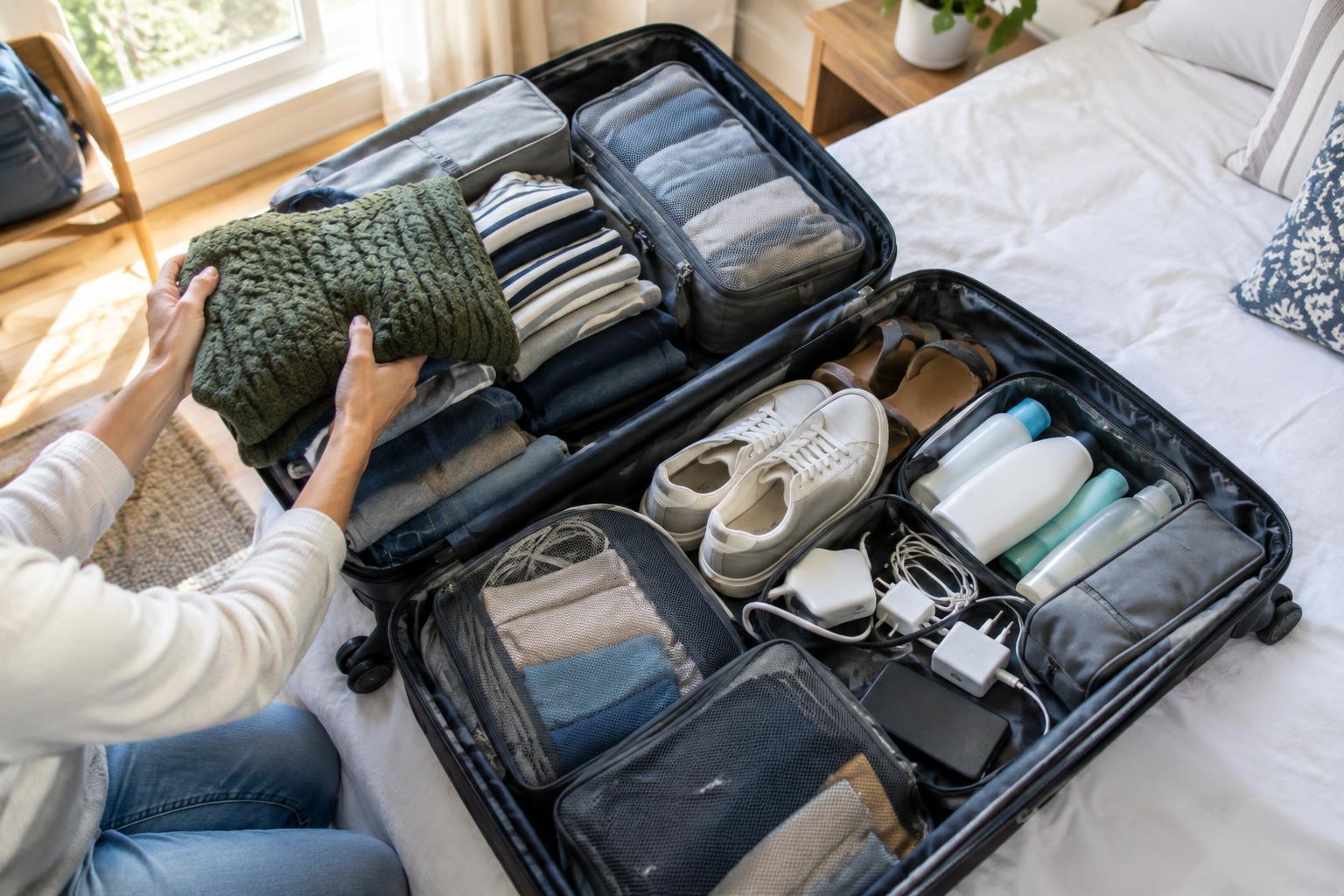
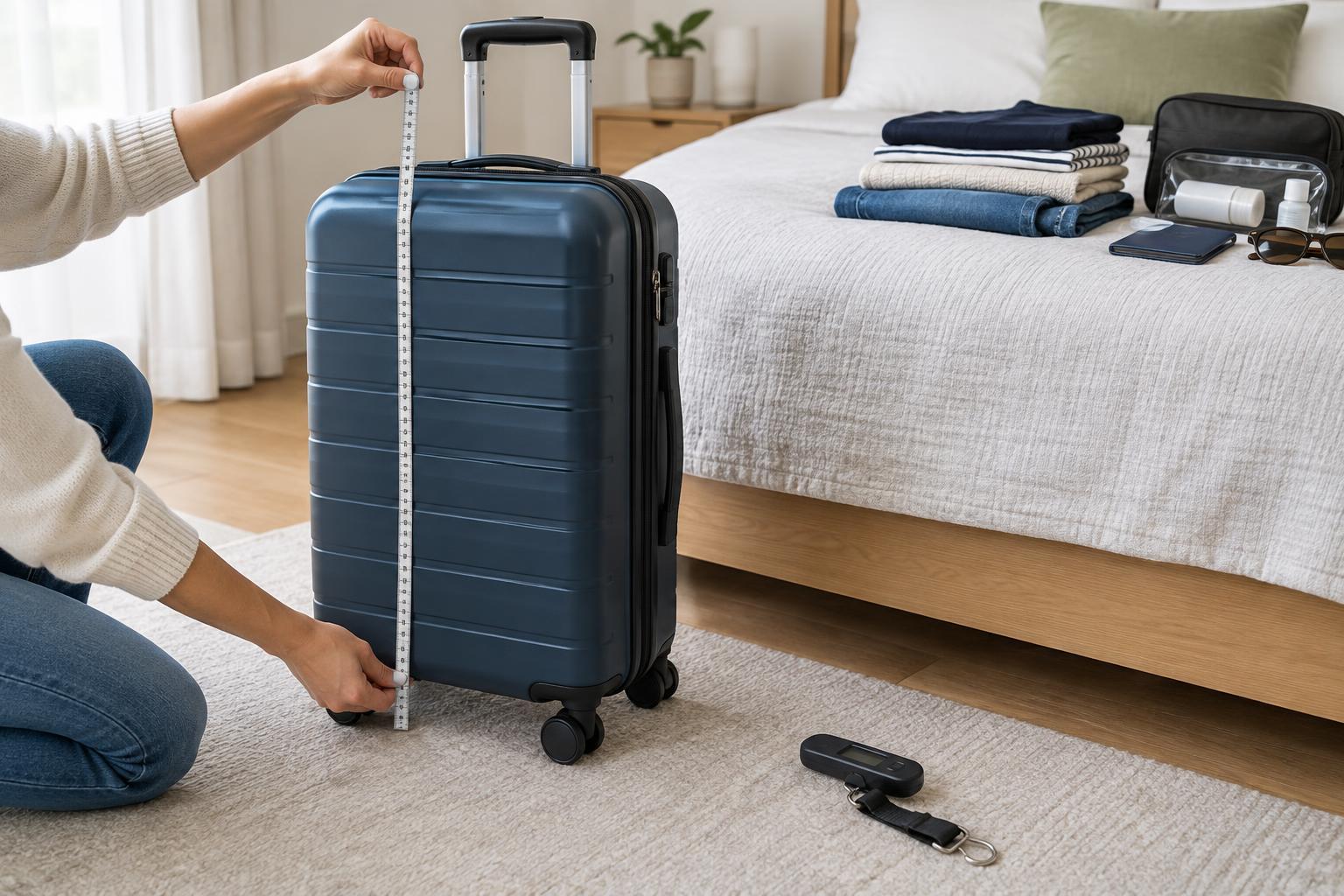
A good beach packing list includes the trip there and back. Keep travel documents, chargers, any regular personal items, and a change of clothes where you can reach them. Check baggage limits and rules for liquids if you are flying, and pack toiletries accordingly. If you are driving, consider where sandy shoes and damp towels will go before they end up beside clean luggage.
Finally, edit the pile. Ask whether each item serves a planned activity, solves a likely inconvenience, or is difficult to get at your destination. Leave out duplicates that do none of those things. The aim is not to pack as little as possible; it is to arrive with what helps you enjoy both the beach and everything you came to see beyond it.