Agree on the plan before anyone pays
Start by agreeing on the dates, destination, approximate budget, and pace of the trip. A weekend sharing an apartment calls for different decisions than a two-week trip with several stops. Ask each person what they can commit to, including their preferred room arrangement and any activities they would rather book independently. A group chat is useful for discussion, but put final decisions somewhere easier to find.
Choose one or two coordinators to keep the plan moving, without making them responsible for everyone else’s choices. Decide which costs will be shared and which are personal. Accommodation may be shared by the whole group, while flights, meals, and optional excursions may not be. Before booking a nonrefundable item, get a clear confirmation from everyone whose money or travel plans it affects. Silence in a chat should not count as agreement.
Build one shared source of truth
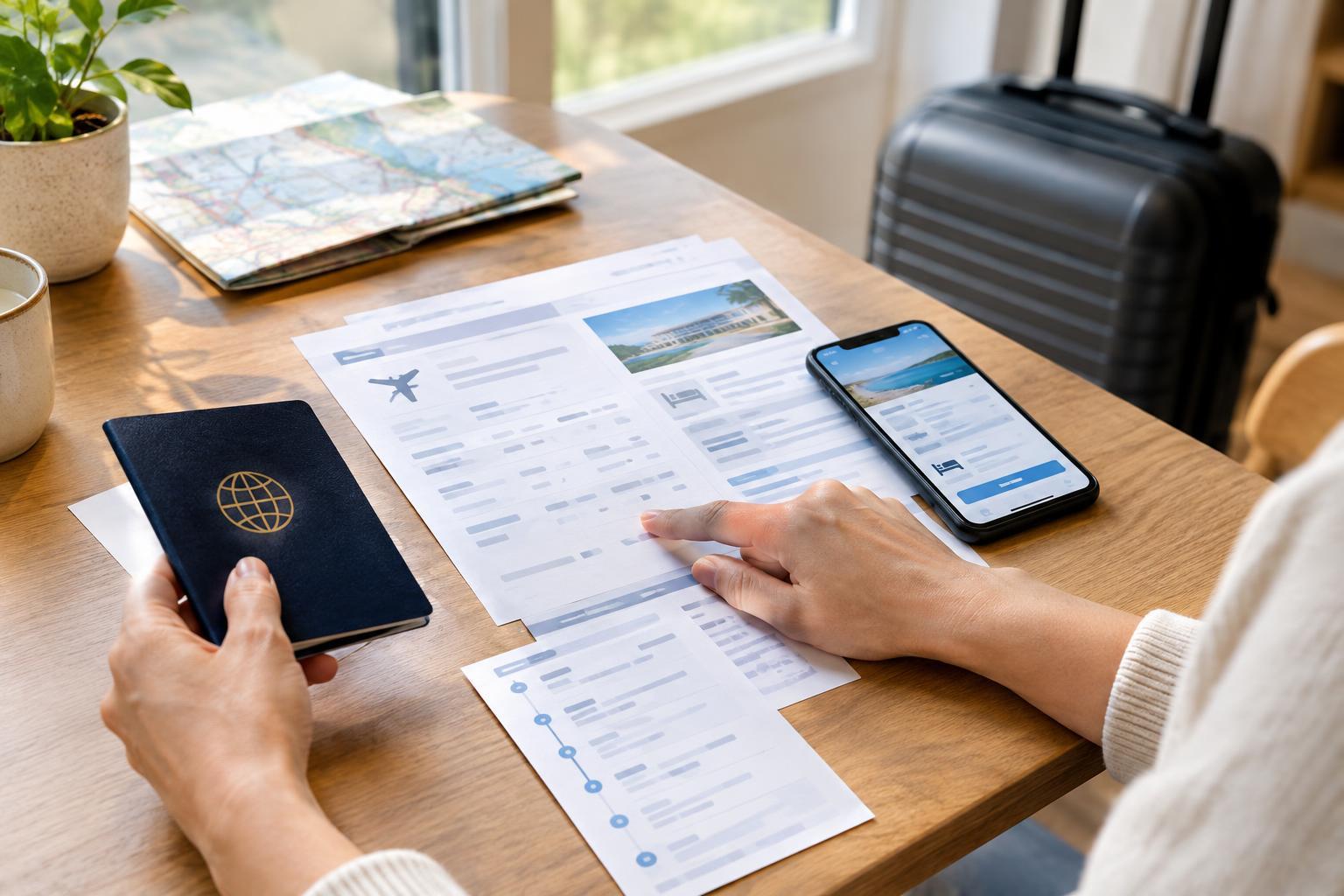
A simple spreadsheet or shared document can hold the essentials: traveler names, booking references, check-in times, payment deadlines, amounts paid, and links to confirmation messages. Give each booking a status such as proposed, approved, booked, or canceled. Record who made the reservation and who should contact the provider if something changes. This prevents several people from assuming someone else has handled the same task.
Keep sensitive information out of a document the whole group can edit. Passport numbers, full card details, and account passwords do not belong in a shared planning sheet. Each traveler can provide required details directly to the person making a reservation or to the booking provider. After a booking is made, check that names match travel documents, the dates are correct, and the confirmation reflects the rooms, seats, or tickets the group expected.
Split costs in a way everyone understands
Equal shares are convenient, but they are not always fair. A couple taking a private room may agree to a different accommodation split from someone sleeping on a sofa bed. If only four of six travelers join a guided tour, charge those four rather than dividing the bill across the whole group. Write down the method for each shared expense before collecting money; changing the split afterward can create avoidable friction.
For every payment, track the total price, who paid the provider, each person’s share, what has already been reimbursed, and what remains due. Note the currency of the original charge and agree on how to handle conversion or transfer fees if travelers use different currencies. Ask people to include a recognizable note with transfers, then mark payments received and keep receipts until the group has settled up. A short review at each major booking milestone is easier than sorting everything out after the trip.
Make booking deadlines visible
Work backward from the dates when reservations or deposits are due. Set an earlier deadline for group decisions and transfers so the person booking is not left covering a large balance at the last minute. Before paying, check the cancellation terms, what the price includes, whether names can be changed, and whether the group must arrive or check in together. Save those details alongside the confirmation, because policies can vary between bookings.
Not every reservation needs to be made by one person. Travelers can book their own transport while a coordinator handles shared lodging, for example. If one person does pay for a group booking, agree in advance when they will be reimbursed and what happens if the price changes before purchase. Avoid relying on an estimated price as if it were final; share the actual total before asking for the final payment.
Plan for changes, then hand off the details
Someone may join late, leave early, or cancel. Before making shared commitments, agree on a basic rule: who covers any nonrefundable share, whether a replacement traveler can take it over, and how the remaining group would handle a price increase. The applicable booking terms will determine what can actually be changed or refunded, so check them before promising anyone their money back. Keep these conversations calm and specific rather than trying to solve every possible scenario in advance.
As departure approaches, share a concise trip summary with addresses, arrival instructions, reservation holders, key times, and any outstanding balances. Encourage everyone to save their own confirmations and check their personal travel requirements. Once the shared costs are settled, the planning document can become a useful itinerary instead of an accounting puzzle—and the group can spend more time looking forward to the trip.