Start with situations, not national traits
It is useful to learn how to behave as a guest. It is less useful to decide that everyone in a destination is formal, relaxed, reserved, or welcoming in the same way. Etiquette changes with the setting, the people involved, and your relationship to them. A crowded train, a family home, a place of worship, and a restaurant may each call for different behavior.
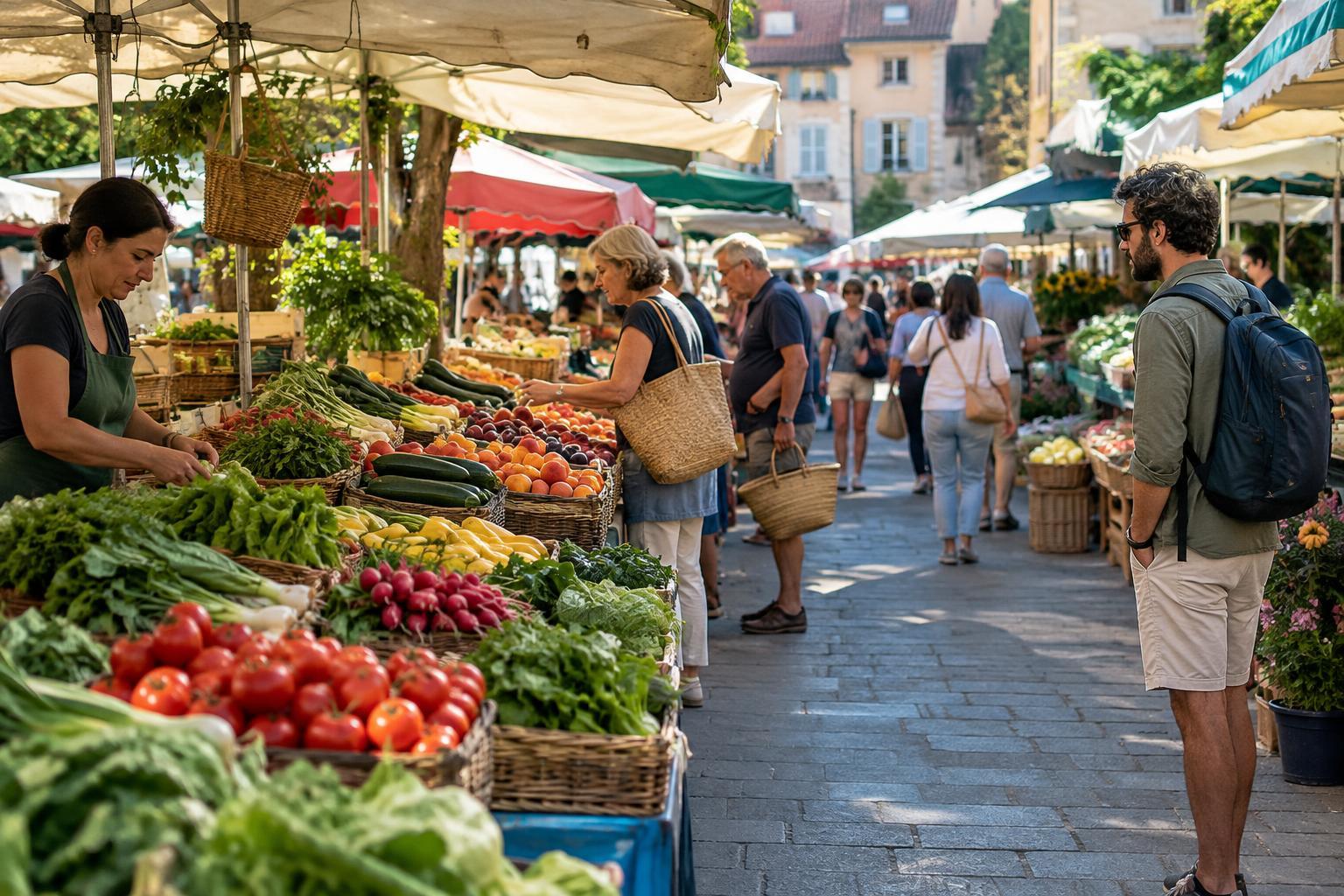
Before researching a trip, list the interactions you are likely to have: greeting a host, using public transport, taking photographs, entering religious spaces, dining with others, or asking for directions. Then look for guidance tied to those situations. “What should visitors know before entering this site?” is a better question than “What are people there like?” This approach gives you actions to consider without turning a custom into a personality trait shared by an entire population.
Compare guidance and look for context
Begin with information intended for the specific place you plan to visit. A museum, heritage site, guesthouse, or tour operator may explain expectations for visitors. A destination-wide travel guide can offer a starting point, but check whether its advice applies to a particular region, venue, or occasion. When advice conflicts, do not force it into one universal rule; both accounts may describe different settings.
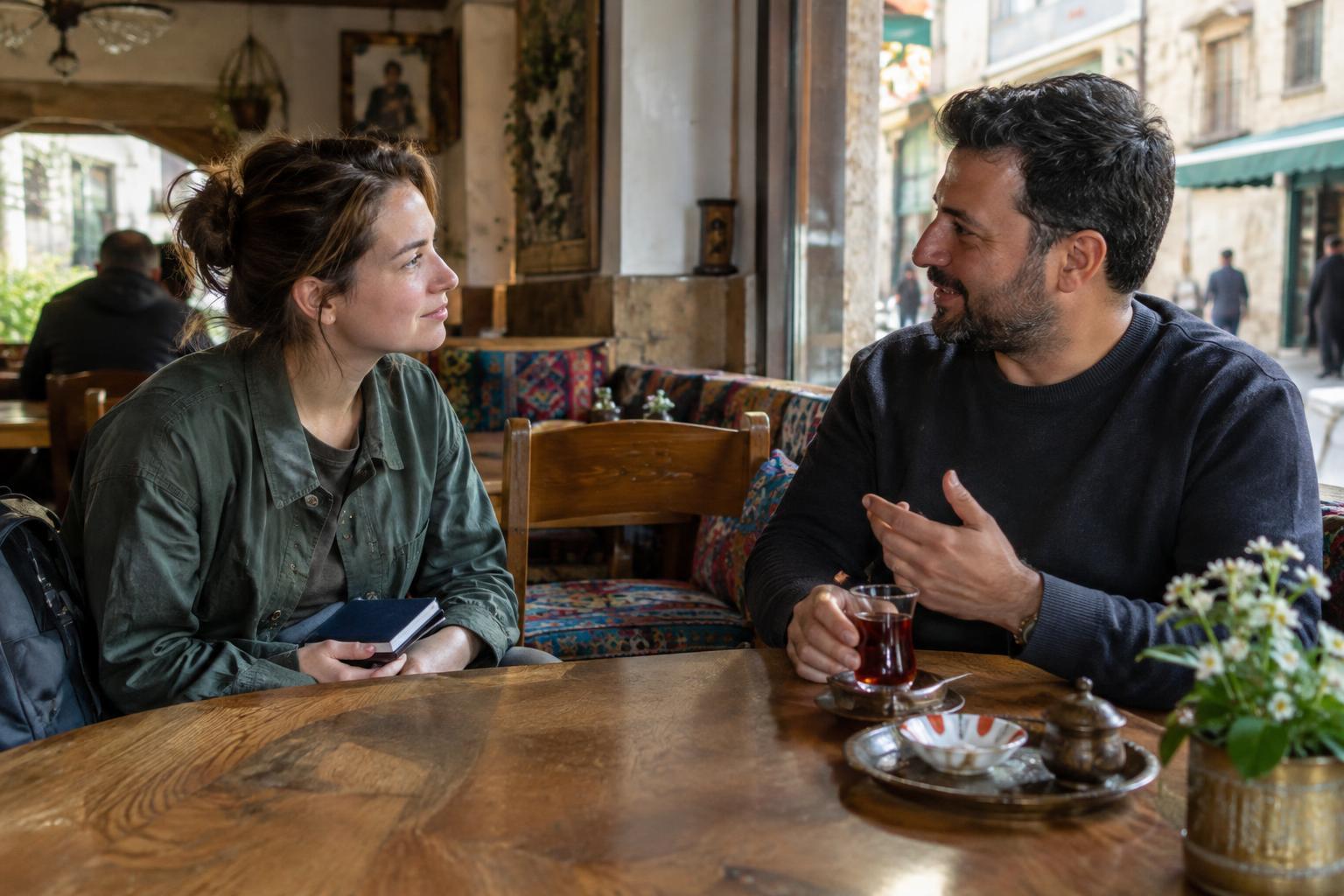
Pay attention to who is giving the advice and what they are describing. A resident discussing everyday life, a venue explaining its entry rules, and a traveler recalling one encounter offer different kinds of information. Each may be useful within limits. Be wary of sweeping statements such as “people here never do this.” Instead, note what seems consistent across accounts and mark uncertain points as questions to resolve when you arrive.
If you will visit a religious site or attend a ceremony, check its own visitor guidance where available. Rules about clothing, shoes, speaking, or photography can be specific to that place. Following posted instructions is usually more reliable than applying a general rule you memorized before departure.
Prepare a small, flexible etiquette toolkit
You do not need a long list of dos and don’ts. Prepare for a few high-impact moments: greetings, requests, payment, shared spaces, and photos. Learn polite words or phrases you can pronounce comfortably, including “please,” “thank you,” and “excuse me.” If you cannot use the local language, a patient tone and clear, simple questions can still help.
Pack choices that leave room to adapt. A layer for covering shoulders, shoes that are easy to remove if needed, and a way to carry small rubbish are examples of items that may make certain visits easier. They are not substitutes for checking the rules at a specific venue. Save any important instructions offline so you can refer to them without standing in an entrance trying to remember a blog post.
For photography, treat permission as a separate question from whether a location is open to the public. Check for signs, and ask before photographing people, their work, or a private gathering. If asking would interrupt the moment, consider putting the camera away.
Ask without making someone a spokesperson
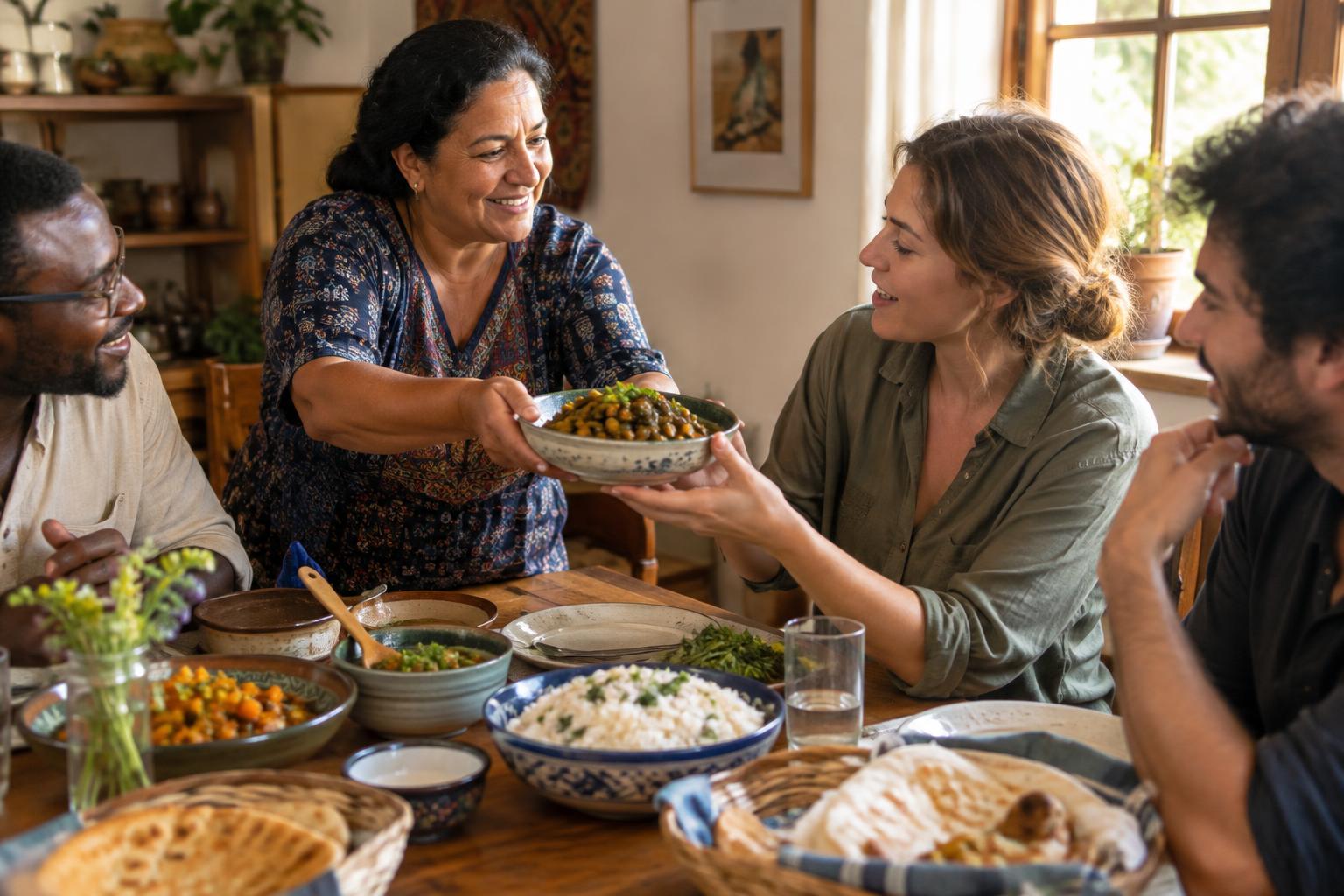
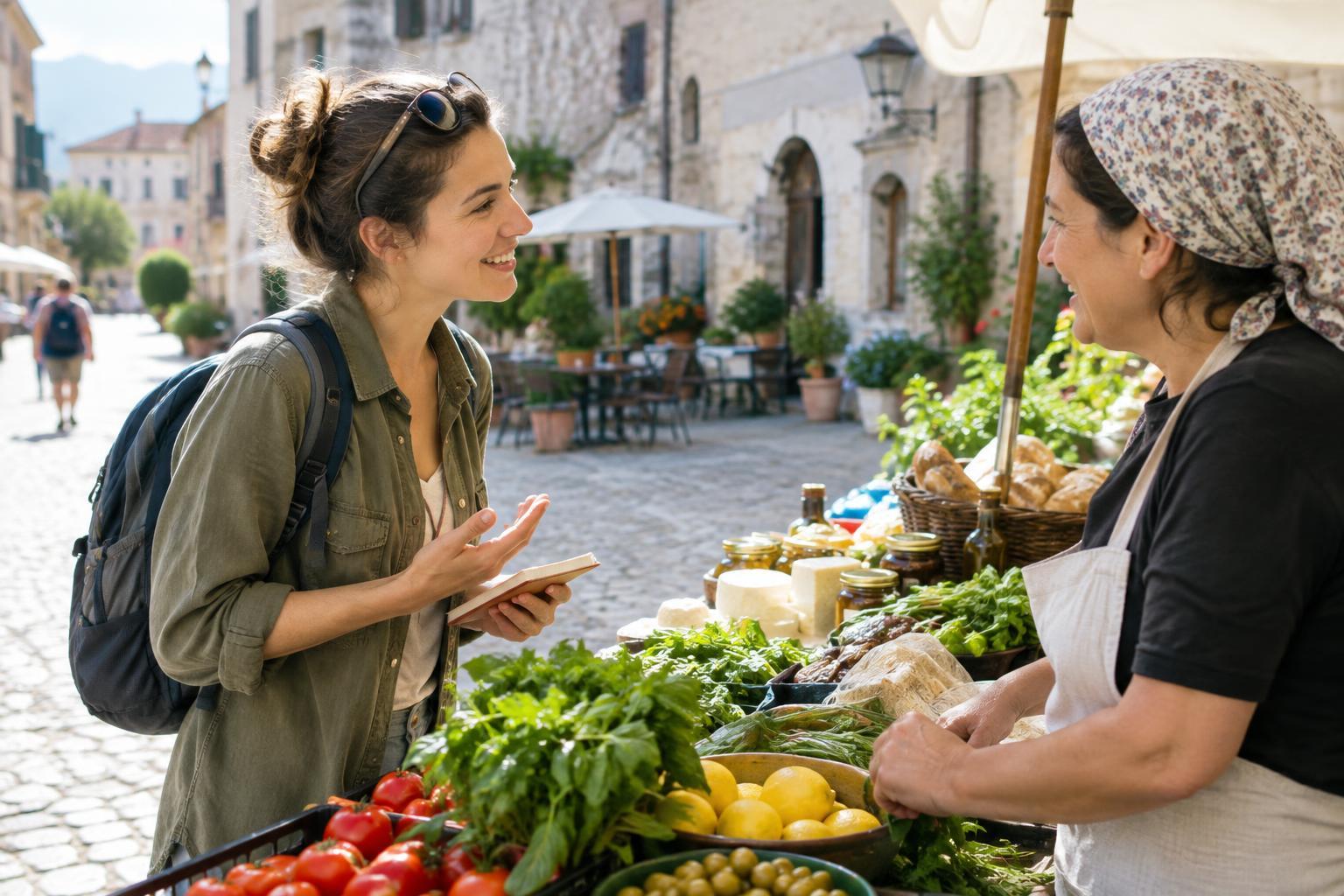
Local advice is valuable, but no one is obliged to teach you. When it is appropriate to ask, make your question specific and easy to answer: “Is it all right to take photos here?” or “Should I leave my shoes at the door?” A host, guide, or staff member can tell you what is expected in their space. Listen to that answer rather than asking them to confirm a rule you read about everyone in the country.
Observe before acting when you can do so without staring at people or delaying others. Look for posted instructions and notice the flow of a queue or the procedure at an entrance. Do not assume that one person’s behavior gives you permission to copy it; they may have a different role or relationship to the place. If you remain unsure, ask a brief question or choose the less intrusive option.
Make room for mistakes and keep learning
Even careful preparation will not cover every situation. If someone corrects you, pause, thank them, and adjust. A short apology is usually more helpful than a lengthy explanation of what your research said. If you have caused a disruption, step aside and let the person managing the space guide what happens next.
After a day of travel, revisit any assumptions that did not hold up. Was a rule specific to one venue? Did the setting matter more than you expected? Use those observations to ask better questions for the next stop, not to draw fresh conclusions about an entire community. The goal is not to become an instant expert on another culture. It is to arrive prepared, pay attention, and give the people you meet room to be individuals.