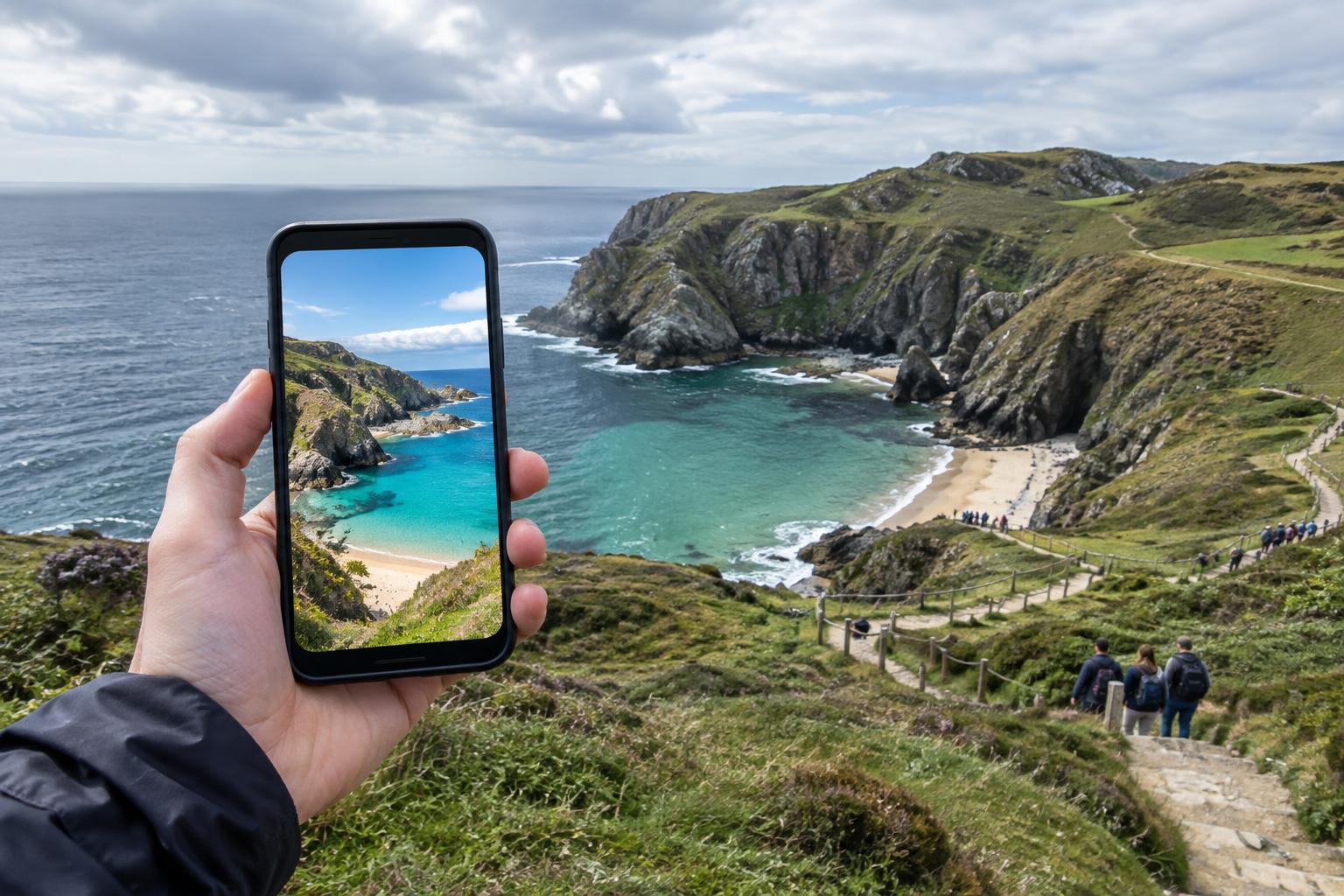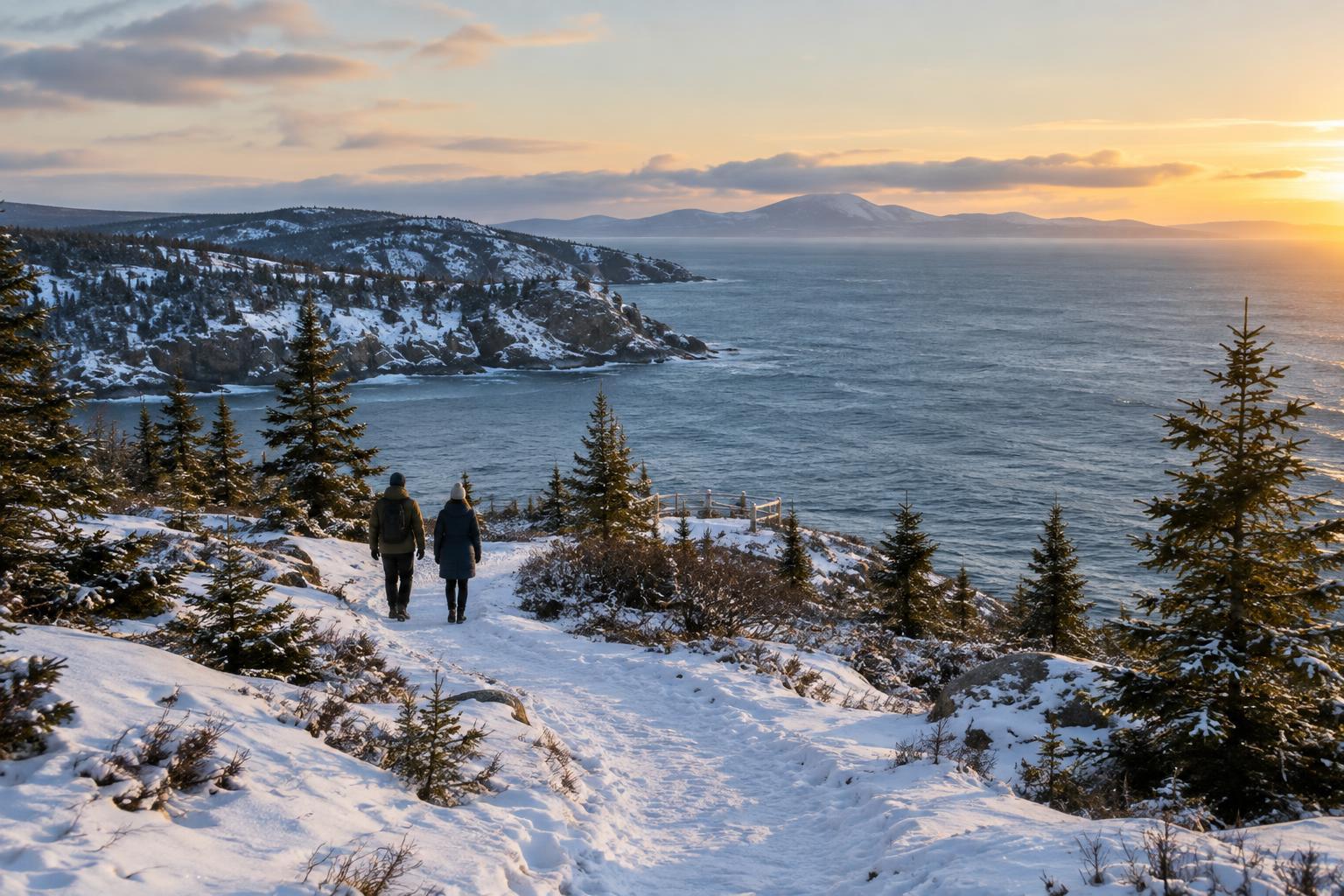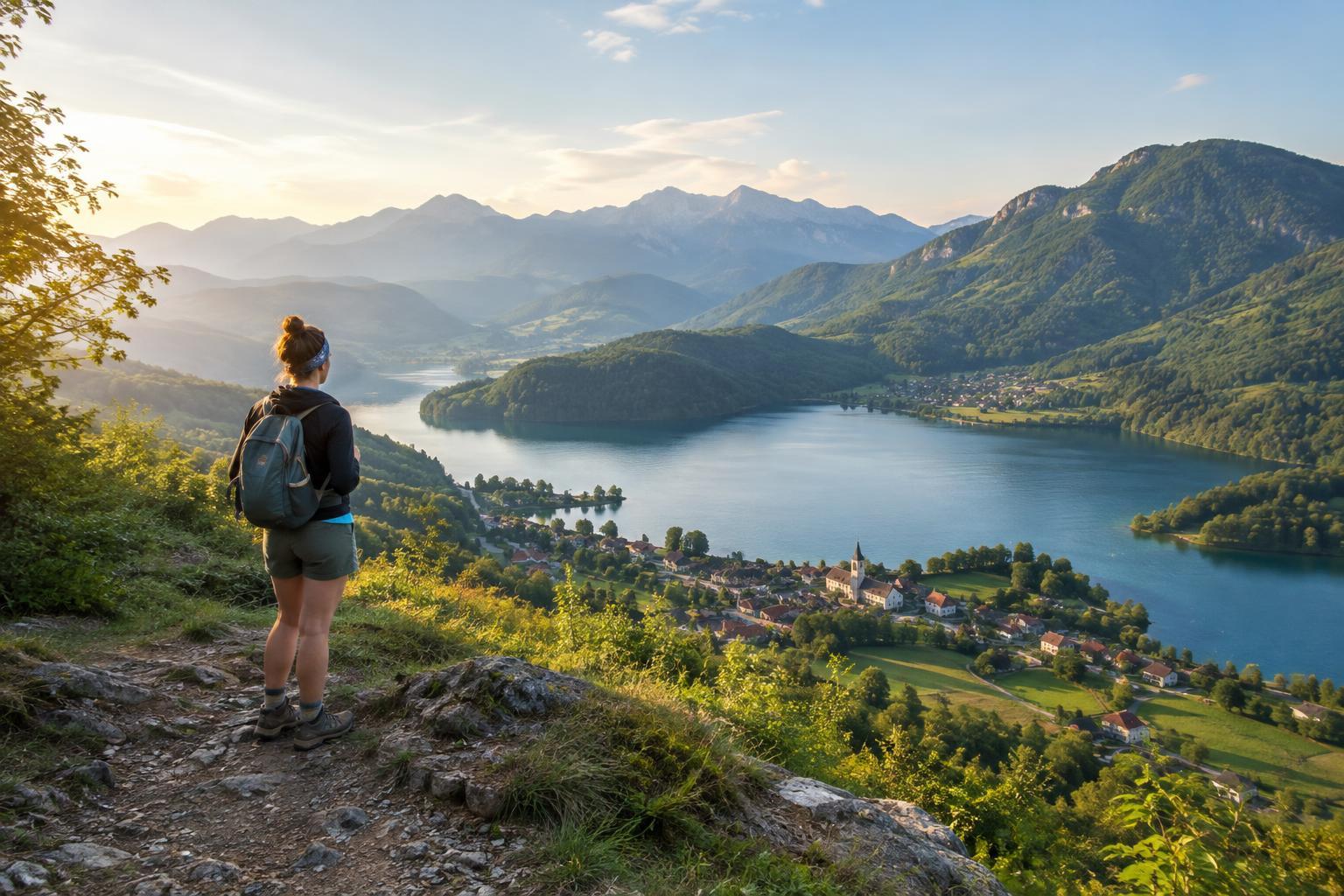
Start with the scenery, not a famous place name
If your dream trip begins with a view, describe that view before choosing a destination. You might want a rugged coastline, mountains reflected in a lake, a walkable old town, or a wide-open desert. This gives you more options than starting with a single landmark. A well-known viewpoint may be only one way to experience the landscape you have in mind.
Write down two or three scenes you would be excited to see, along with the activities that make them appealing. If you want mountain scenery but do not plan to hike, look for towns with accessible viewpoints, lakeside paths, or scenic public transport. If you want a coast, decide whether you need a beach for swimming or would be just as happy with cliff walks and harbor views. These details help you avoid paying for a destination that is beautiful but poorly matched to your trip.
Look beyond the headline destination
Popular places can be useful starting points for a search, but they need not be the final choice. Look at a map of the surrounding region and identify smaller towns, neighboring valleys, or stretches of coast with a similar setting. Then check whether those alternatives have places to stay, food options, and a practical way to reach the scenery. A quiet base is only a bargain if it does not require an expensive car rental or a long paid transfer every day.
You can also look for scenery close to a city or transport hub you can reach affordably. A regional train ride, local bus, or short walk from a town may give you the landscape you want without the cost of staying beside its most photographed viewpoint. Before committing, check route details and service frequency for your travel dates. A place that looks close on a map may be difficult to visit without your own vehicle.
Compare the whole trip cost
A cheap flight or room rate does not tell you what a scenic trip will cost. Make a simple comparison for two or three possible destinations using the same trip length. Include transport to and from the destination, local travel, lodging, meals, entry or access fees, and any gear you would need. Add a small buffer for changes in plans. This makes it easier to spot a destination that costs less to reach but more to explore.
Pay particular attention to how often you would need paid transport. A scenic base with several walks, viewpoints, and inexpensive places to eat nearby may offer better value than a cheaper room far from everything you want to see. If a rental car is essential, include its full expected cost rather than treating it as an optional extra. The aim is not to find the lowest possible price; it is to find a trip you can comfortably enjoy within your limit.
Use timing to improve value, not just lower prices
Traveling outside a destination’s busiest period may open up more lodging choices and make popular viewpoints feel less crowded. But the cheapest dates are not automatically the best. Weather, daylight, trail access, and transport schedules can all affect whether you can enjoy the scenery you came to see. A coastal trip planned around swimming has different timing needs from one built around walking and photography.
For each destination, identify the conditions your main activity requires, then look for dates that may offer a useful balance between cost and experience. Be flexible where you can: shifting a trip by a few days, staying on weekdays, or visiting a different part of a region may reveal better options. Check seasonal closures and local transport plans before booking, especially when your itinerary depends on one route or attraction.
Build the itinerary around a few standout moments
A modest budget goes further when you know what is worth prioritizing. Choose one or two experiences you would regret missing, such as a particular trail, boat trip, or viewpoint at sunset. Plan the rest of the itinerary around lower-cost pleasures: wandering a waterfront, exploring a public garden, taking a picnic to a scenic spot, or spending unhurried time in a village. Leave space between activities so you are not paying to move constantly.
Before booking, test your plan against an ordinary day. Where will you sleep, how will you get to the view, where might you eat, and what will you do if the weather changes? If the answers are straightforward and the estimated costs fit your limit, you have found a promising destination. The most rewarding scenic trip is not necessarily the most famous one. It is the one that lets you spend your time and money on views you genuinely came to enjoy.