Start by noticing what kind of market it is
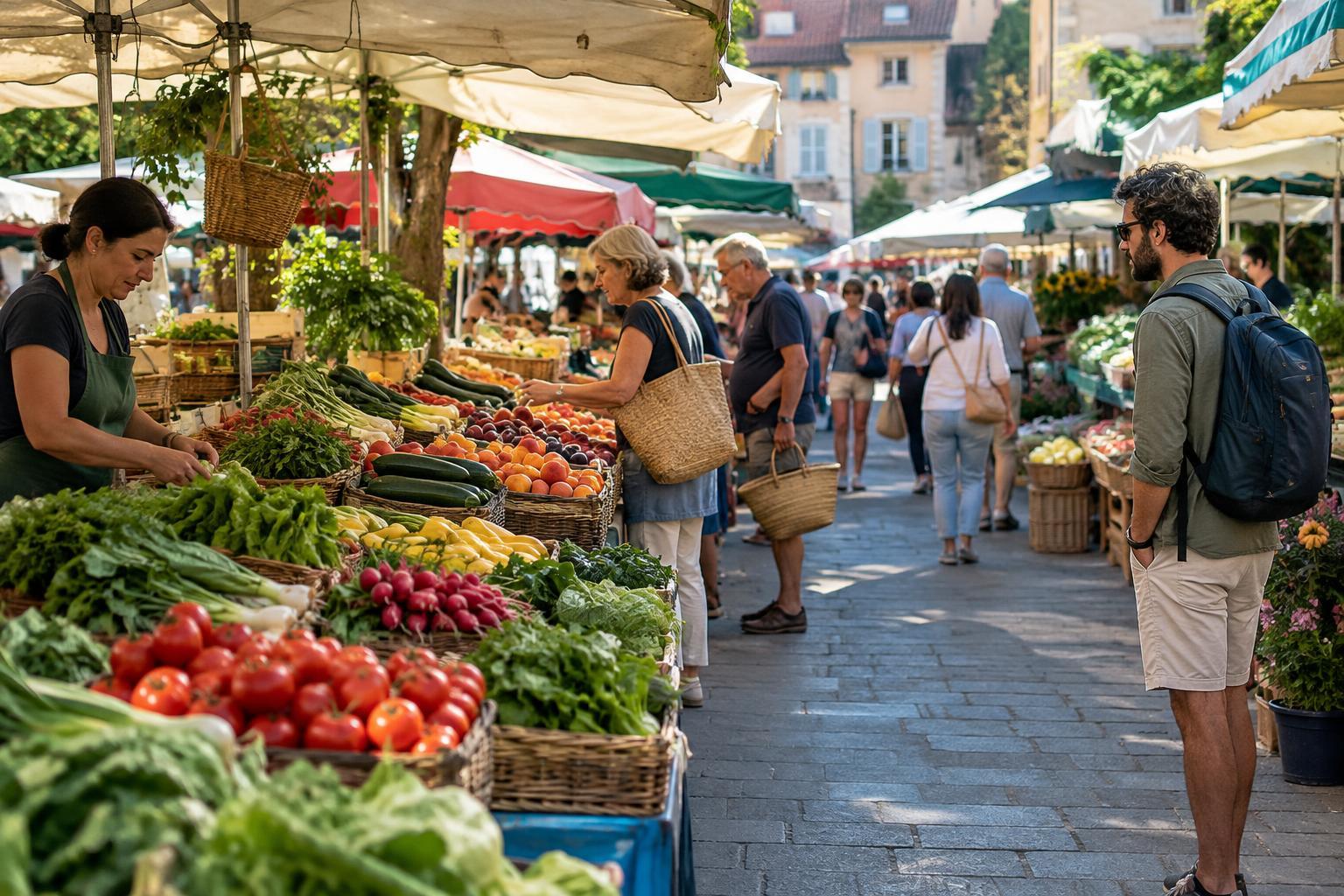
A market may be a neighborhood grocery stop, a wholesale hub, a craft fair or a mix of all three. Before you dive in, pause near the entrance and watch how people move. Are shoppers selecting goods themselves, or asking vendors to hand them over? Is there a clear queue? Do customers pay at each stall or at a central counter? A minute of observation can prevent an awkward interruption.
Choose a time that suits your purpose. If you want a leisurely look around, a busy morning rush may not be ideal. Opening and closing periods can also be demanding for sellers, who may be setting up, restocking or packing away. Check posted hours, follow signs and respect areas that appear to be for staff or deliveries. A market that welcomes visitors is still a workplace and, often, an essential part of local daily life.
Keep pathways and transactions moving
The simplest courtesy is to leave room for everyone else. Step to the side before consulting a map, looking through your bag or discussing where to go next. Keep backpacks close in narrow aisles, and avoid gathering your whole group in front of a stall. If a vendor is serving someone, wait until the exchange is finished before asking a question.
Handle goods according to the stall’s cues. At some markets, picking up produce is normal; at others, the seller chooses and bags it for you. If you cannot tell, ask or gesture before touching. Take particular care around delicate crafts, unpackaged food and carefully arranged displays. When sampling is offered, follow the vendor’s lead rather than assuming everything on display is free to taste.
If you are only browsing, that is fine. A friendly greeting and a brief “just looking, thank you” can make your intentions clear. You do not need to buy something from every stall you visit, but it helps not to occupy a seller’s attention for a long conversation while paying customers wait.
Ask before photographing people or stalls
Colorful displays make tempting photographs, but a market is not a set built for visitors. Check for signs restricting photography. Before taking a close-up of a vendor, their work or a stall, ask permission and accept a no without pressing. Parents and caregivers may be especially uncomfortable with photographs of children. A wide shot from a public walkway can still intrude if you stop traffic to take it, so look behind you before raising your camera.
A purchase does not automatically buy permission to photograph someone. Nor does an invitation to photograph a display necessarily include the people standing beside it. If you want to share images later, consider whether signs, faces or other details reveal more than the people pictured would expect. Sometimes the best way to remember an encounter is to put the camera away and give it your attention.
Buy with clarity and respect
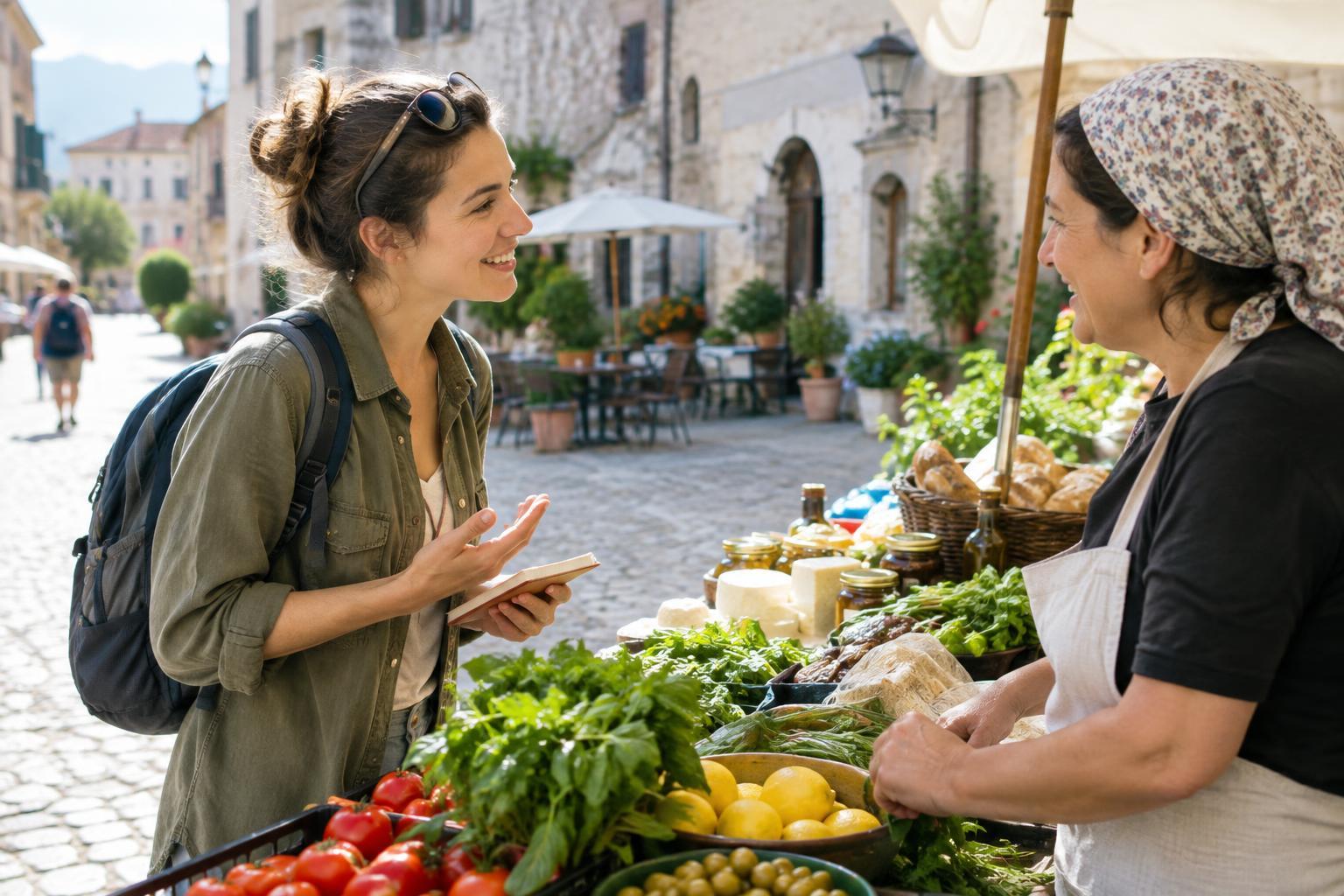
Learn a few useful words or phrases before you go, such as hello, please, thank you and how much. Where you do not share a language, a calculator, written price or simple gesture can help. Look for posted prices first, and keep small payment options accessible when practical so a modest purchase does not require a seller to find change for a large note.
Bargaining customs vary by market and by stall. In a fixed-price food shop, negotiating may be out of place; in another setting, polite negotiation may be expected. Take your cue from signs and the seller’s response. If you decide a price does not work for you, thank them and move on rather than turning the exchange into a performance. Consider the time and skill behind handmade goods, and avoid calling a price unfair simply because it exceeds your budget.
If you buy food to eat as you walk, ask where to dispose of packaging and keep crumbs, cups and spills away from other stalls. Check any rules before bringing purchases across borders or onto transport; an appealing market find is less useful if you cannot take it with you.
Leave space for the market to be itself
Guided walks and food tours can offer helpful context, but groups need extra awareness. Agree on a meeting point away from entrances and busy counters, and split into smaller clusters when aisles are tight. Let shoppers reach the goods, and do not treat someone’s work, clothing or meal as an exhibit that requires an explanation.
Curiosity is welcome in many places when it comes with patience. Ask specific questions when a vendor has time, listen to the answer, and be comfortable with a short exchange. You may leave with a snack, a useful object or a new idea for dinner. You will also have helped make room for the people who depend on the market long after your visit ends.