Start with the people, not the activity
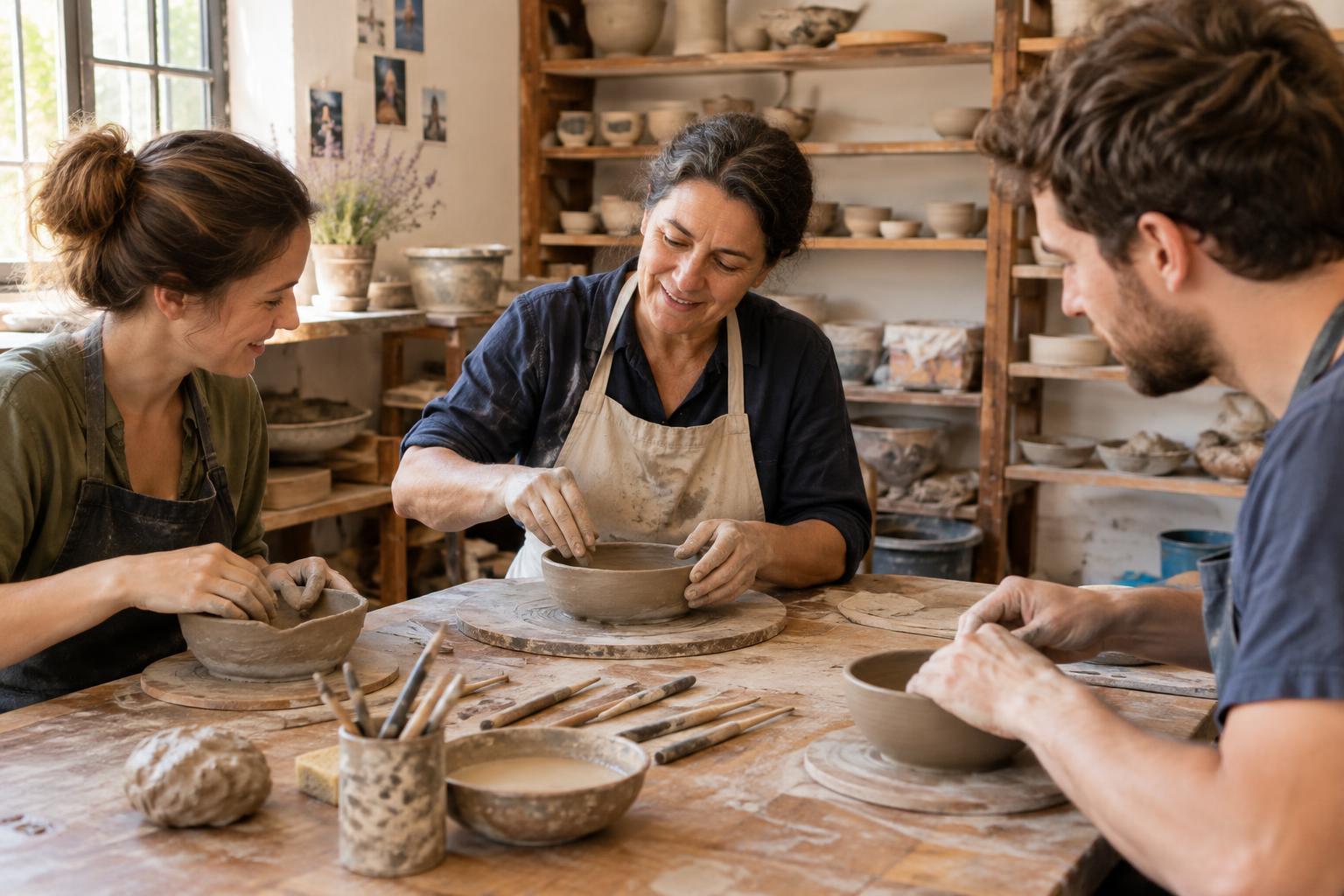
An Indigenous cultural experience might be a guided walk, a food workshop, a museum visit or a performance. What makes it worth considering is not how unusual it looks in a travel listing, but whether the people whose culture is presented have a meaningful say in the experience. Indigenous communities are distinct from one another, and no single person or activity can represent an entire culture.
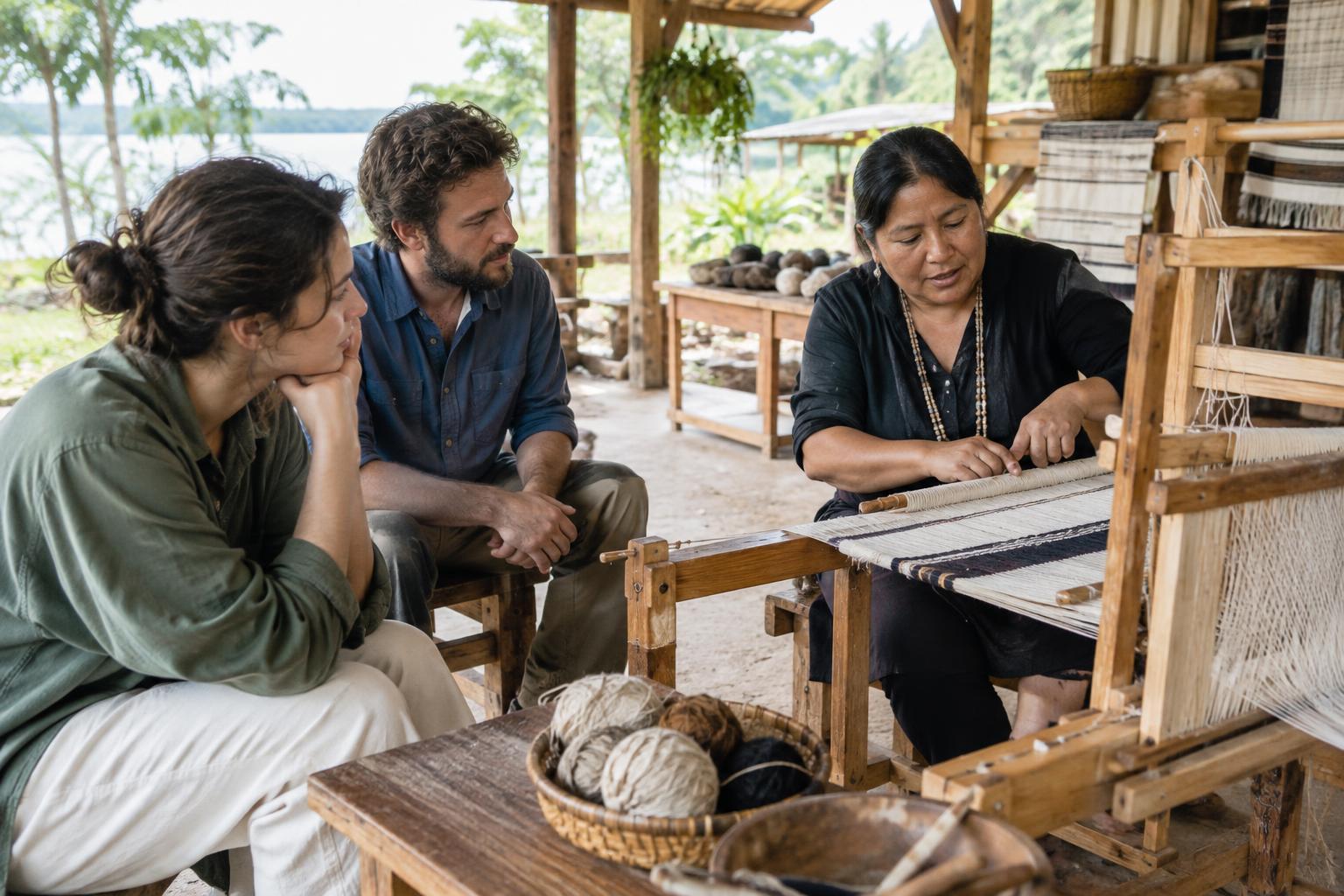
Look for a clear explanation of who created and leads the experience. Community-run and Indigenous-owned offerings can be good places to start, but ownership alone does not answer every question. A business may work with local guides, artists or knowledge holders in different ways. The aim is to find an experience that treats them as decision-makers and skilled hosts, rather than as a backdrop for visitors.
Read the description for signs of care
A useful listing tells you what you will do, who will guide you, how long the visit lasts and which activities are open to guests. It may explain group-size limits, photography rules or why certain places and stories are not included. Those boundaries are a positive sign: an invitation to learn is not an invitation to access everything.
Be cautious with descriptions that promise an “untouched” culture, a “secret” ceremony or unrestricted entry to sacred places. Such language can turn living communities into attractions and create expectations that hosts should not have to meet. Also notice whose voice dominates the listing. If a large operator sells the experience but says little about its relationship with the people involved, ask for clarification before booking.
Ask a few specific questions before booking
You do not need to demand private details or proof of a community’s internal decisions. Start with practical questions a reputable organizer should be able to answer: Who leads the visit? How was the program developed? Are hosts able to set rules about access, filming and group behavior? If the activity includes artwork or food, who makes it and how are makers credited?
It is also reasonable to ask how payment reaches the people providing the experience. A precise breakdown may not be available, especially through a booking platform, but vague claims that a tour “supports locals” are less useful than a clear account of who is hired or paid. If answers remain unclear, consider booking directly with a host organization or choosing a different activity.
Participate as a guest, not a collector
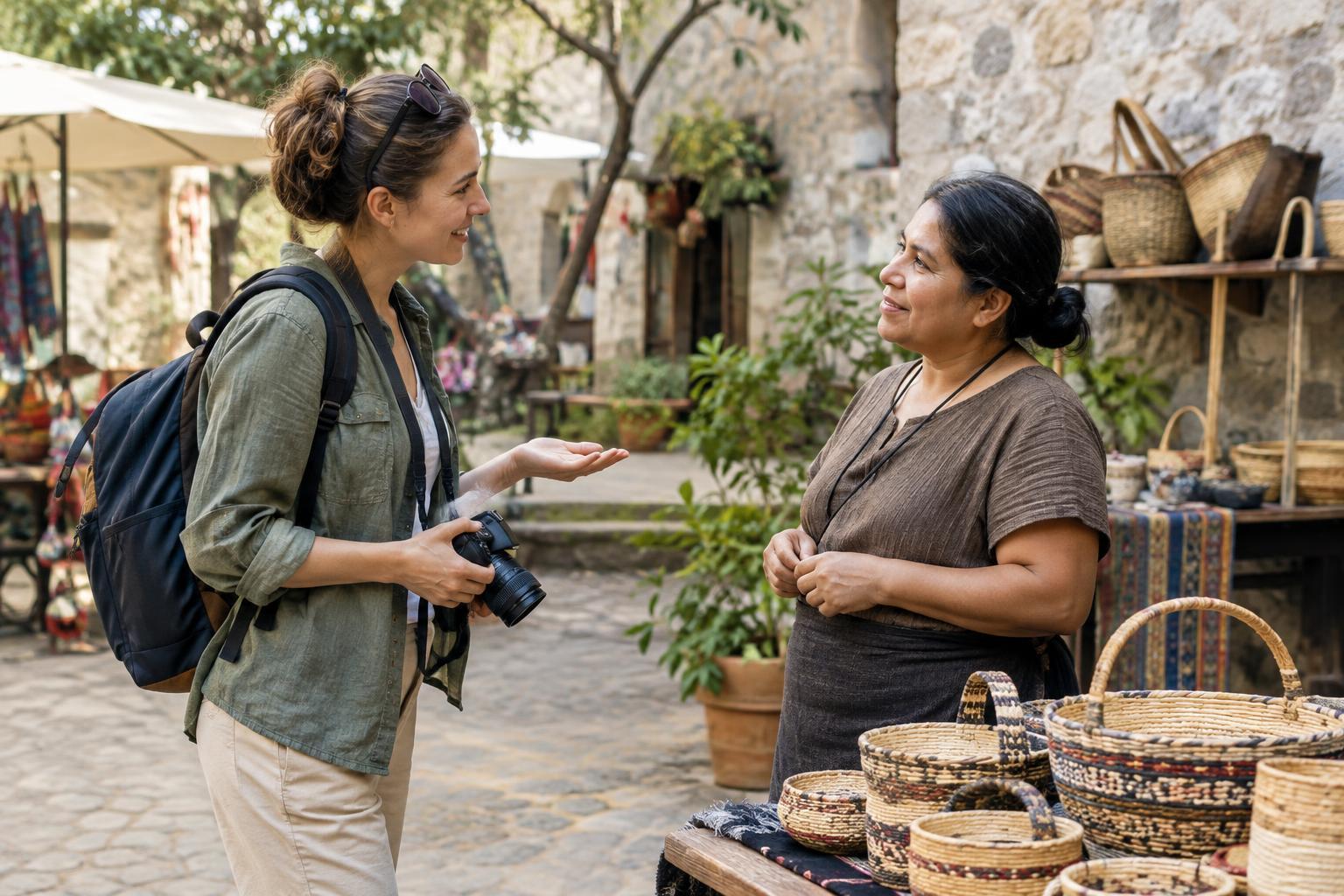
Once there, follow the host’s guidance even if it differs from what you expected. Ask before photographing people, homes, objects or performances; a place open to visitors is not automatically open to cameras. Respect requests not to record or share particular stories. If you are invited to ask questions, favor questions about the experience being offered over requests for personal or sacred knowledge.
Listen without expecting your guide to speak for every member of their community. Avoid dressing up in cultural items unless your host explicitly offers that participation, and do not treat a workshop as permission to copy designs later. If you buy a piece of art or craft, learn the maker’s name and any guidance they offer about its meaning or use. A respectful visit can be memorable without providing an intimate encounter or a perfect photograph.
Leave room for a different plan
Not every destination offers a visitor experience, and not every cultural space welcomes the public at all times. Access may change for reasons a traveler does not need to know. Build an itinerary that can accommodate a smaller group, a schedule change or a polite no. A museum, public cultural center or work by Indigenous writers and artists may offer another way to learn without pressing for access.
After the visit, describe what you learned with care. Name the guide or organization when appropriate, but do not post restricted material or present one encounter as the full story of a people. Choosing well is an ongoing practice: ask who has control, honor the limits they set and let the hosts define what they wish to share.