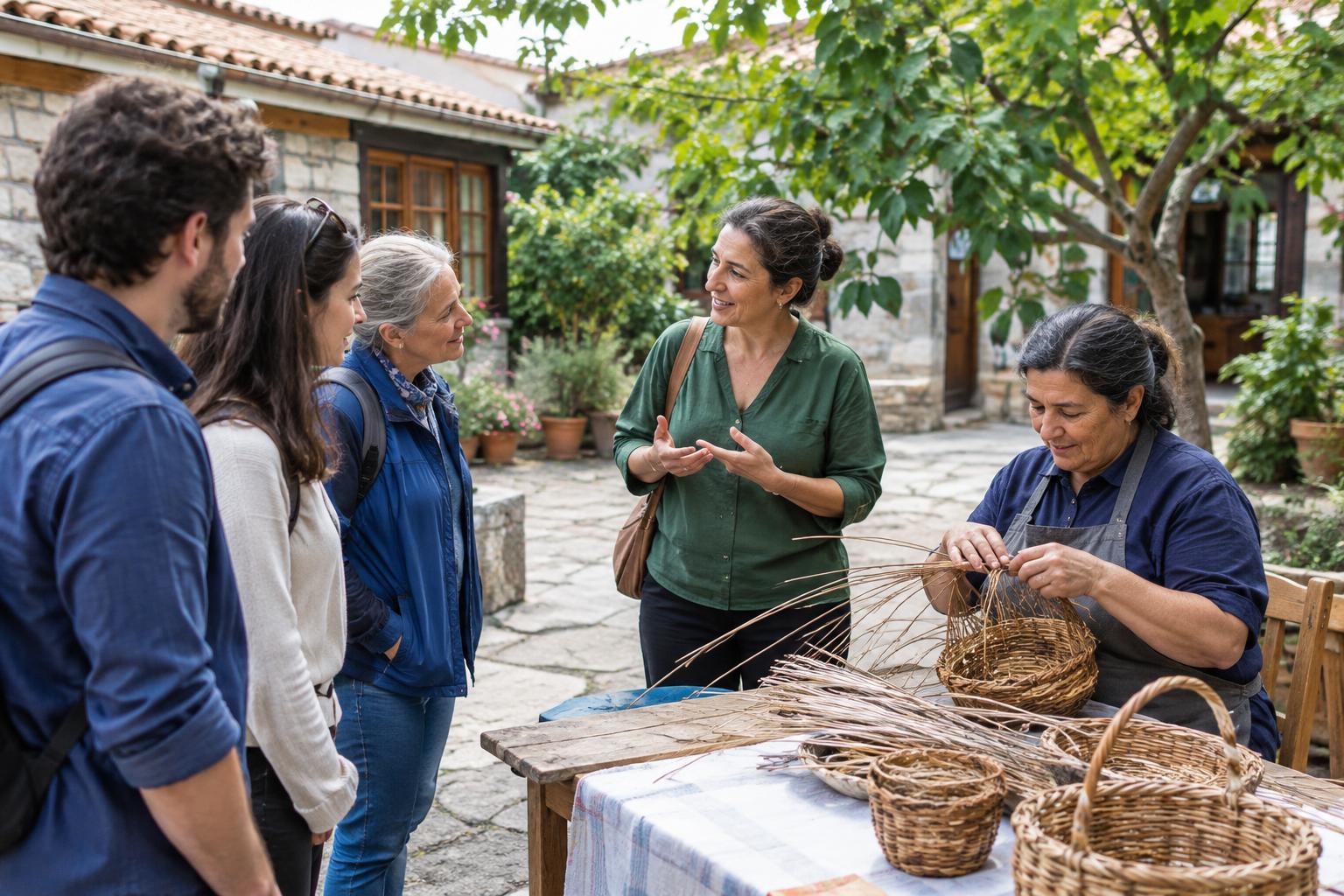
Start with who makes the decisions
A village walk, cooking class or wildlife excursion may be described as “community-led,” but that phrase can mean different things. In some cases, residents design the visit, set its boundaries and guide guests themselves. In others, an outside company arranges the itinerary and hires local people for individual tasks. Both arrangements can provide work, but they give residents different levels of control.
Look beyond the tour name for an explanation of who owns or organizes it. Does a local cooperative, family business, cultural group or resident guide describe the experience in their own words? Can hosts choose the group size, route, schedule and places that are off-limits? Local decision-making matters because residents are better placed to decide what they want to share and what should remain private.
Do not assume that every worthwhile tour must have one particular business structure. A small independent guide may offer an excellent experience, while a larger operator may have a well-established local partnership. The useful question is whether the people welcoming visitors have a meaningful say in how the visit works.
Ask where the money goes
A clear description of payment is more helpful than a broad promise that a tour “supports the community.” Before booking, ask who receives your fee: the guide, hosts, drivers, makers and booking company may all have different roles. An organizer may not disclose every private wage or cost, but it should be able to explain its arrangement in straightforward terms.
Notice whether the itinerary creates opportunities for local businesses without requiring guests to buy anything. A market visit can introduce you to vendors; it should not depend on pressuring you into purchases. Likewise, a craft demonstration is more respectful when makers choose what to show, have time to explain their work and set their own prices.
Price alone is a poor shortcut. A low-cost tour may leave little room to pay everyone involved, but an expensive one does not automatically deliver greater local benefit. Compare what is included, how many people share the experience and whether the operator explains how hosts are compensated. If your budget is limited, consider a shorter locally guided activity rather than assuming a full-day package is the only way to participate.
Read the itinerary for consent and balance
The best itinerary gives you a sense of what you will do and what your hosts have agreed to share. A public food walk, workshop or storytelling session can offer plenty of connection without entering anyone’s home. If a tour includes a home visit, school or place of worship, look for a clear reason for the stop and guidance on guest behavior. Ask whether participants can decline photos or change the plan when needed.
Be cautious of descriptions that treat residents as attractions or promise unrestricted access to “authentic” daily life. No one owes visitors a performance of ordinary routines. A thoughtful tour may focus on a specific skill, landscape or history rather than claiming to represent an entire culture. It may also discuss difficult subjects, but guests should not expect a host to answer deeply personal questions.
Group size and timing affect the experience, too. Smaller groups may be easier for hosts to manage and leave more room for conversation, though the right size depends on the activity. Check how long the visit lasts and whether it fits the setting. A busy market and a quiet neighborhood call for different approaches.
Book with curiosity, then follow your host’s lead
If the listing leaves important questions unanswered, send a short, polite message. Ask who developed the tour, who guides it, whether photography is allowed and what happens if a host needs to cancel or adjust a stop. Clear, specific answers are more useful than polished slogans. If an organizer cannot answer basic questions about consent or local involvement, keep looking.
Once you arrive, treat the guidelines as part of the experience, not obstacles to it. Dress appropriately for the setting, arrive on time and ask before photographing people, homes or workspaces. Listen more than you speak, especially when a guide explains why an area is not open to visitors. If you want to buy something, choose it because you value it; if tipping is customary for that activity, ask the organizer for guidance rather than guessing.
A community-led tour cannot guarantee that every visitor and resident will have the same experience. It can, however, give you a better basis for choosing: visible local decision-making, understandable payment arrangements, boundaries set by hosts and an itinerary built around exchange rather than access. Those details help turn a broad wish for a meaningful cultural experience into a visit that respects the people who make it possible.