Decide what you want from the experience
A cooking class can be a hands-on lesson, a shared meal, or a way to learn how a dish fits into everyday life. Before browsing options, decide which part appeals to you most. Do you want to practice a technique you can repeat at home, discover ingredients you have never used, or spend time talking with a local instructor? Your answer will help you choose between classes that may look similar at first glance.
Look closely at the format. Some sessions focus on preparing several dishes from start to finish; others involve demonstrations with limited hands-on time. A market visit may add context to the meal, but it also takes time and may leave less of the session for cooking. If you are traveling with children or a group of mixed abilities, check whether everyone can take part comfortably rather than assuming that a class labeled “beginner” suits all ages.
Read beyond the menu before booking
A tempting list of dishes is only one part of a good fit. Check the total duration, meeting point, group size, language of instruction, and what the price includes. Ask whether you will eat the food you prepare, receive written recipes, or need to pay separately for drinks or a market visit. For a short trip, consider where the class sits in your day: one that ends late may not pair well with an early departure the next morning.
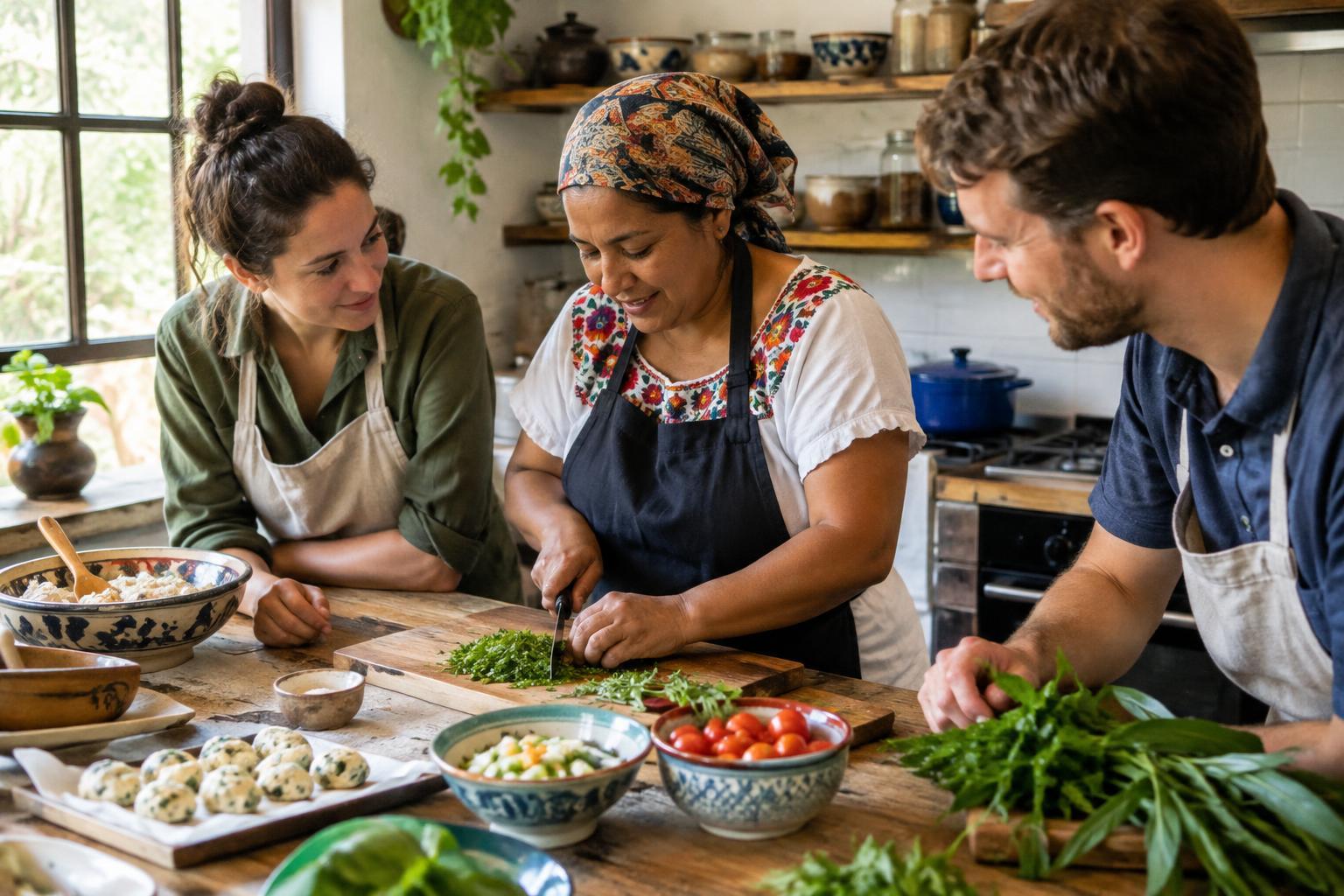
Think about how you like to learn. A smaller group may give you more chances to ask questions and practice, while a larger class may feel more social and cost less. Photos and descriptions can help you understand the setup, but they may not show how much time each guest spends at the stove. If that matters to you, ask the organizer what participants typically do themselves.
Review cancellation terms and accessibility details before committing. If standing for a long time, stairs, heat, or a busy market could be difficult for anyone in your party, ask specific questions about the space and pace. A clear reply is more useful than making assumptions from a brief listing.
Share dietary needs early and make a backup plan
Tell the organizer about allergies, dietary restrictions, and foods you do not eat before booking when possible. Name the ingredients you need to avoid and ask whether the class can accommodate you throughout the preparation and meal. A dish that appears suitable on a menu may still use an ingredient in a sauce, stock, or seasoning. For a serious allergy, ask about shared equipment and cross-contact rather than relying on a promise to leave one ingredient out.
A class may not be able to adapt every recipe, especially when a particular ingredient is central to the lesson. If the answer is uncertain, choose another option or plan to participate without eating the finished food only if that would still feel worthwhile to you. Travelers with specific needs may find a private session or a class built around a suitable cuisine easier to navigate.
Arrive ready to cook and learn
Confirm the meeting instructions the day before, including whether you are going straight to a kitchen or meeting elsewhere first. Allow time for transport delays and wear comfortable clothes and closed-toe shoes if you expect to work in a kitchen. Tie back long hair, bring any item the organizer requests, and leave bulky bags behind when practical. You usually do not need special cooking gear unless the class says otherwise.
Come with a few questions, not a demand for a complete recipe collection. You might ask how an ingredient is chosen, what changes with the season, or which steps matter most when making the dish at home. Listen first, especially when an instructor explains a custom or a family variation. A cooking class offers one person’s perspective, not a definitive account of an entire cuisine.
Take the experience home thoughtfully
During the class, pay attention to cues that a written recipe may not capture: the texture of a dough, the aroma of a spice as it warms, or the point when a sauce is ready. If photography is important to you, ask before photographing people or private spaces, and keep your phone out of the way while others are working.
Afterward, jot down the techniques you want to remember and which ingredients might be hard to find at home. Ask the instructor about reasonable substitutions rather than assuming that any similar-looking product will work. You may not recreate the meal exactly, but you can bring home a new method, a better understanding of the dish, and a memory tied to the people who helped you make it.