Start with the landscape, not the activity
Winter travel is often presented as a choice between skiing and staying inside. In reality, the season can make familiar places feel entirely different: bare trees reveal distant views, low light changes the color of a coastline, and snow can turn an ordinary walking route into the highlight of a trip. The best destination is not necessarily the snowiest one. It is the place where you can enjoy the scenery at a pace that suits you.
Begin by naming the view you hope to remember. Is it a forest under snow, a mountain skyline seen from a village, a quiet stretch of sea, or open desert beneath a clear sky? Then decide how close you need to get to it. A traveler who wants short walks and warm cafés needs a different base from someone happy to spend most of the day outdoors.
Consider winter scenery beyond the slopes
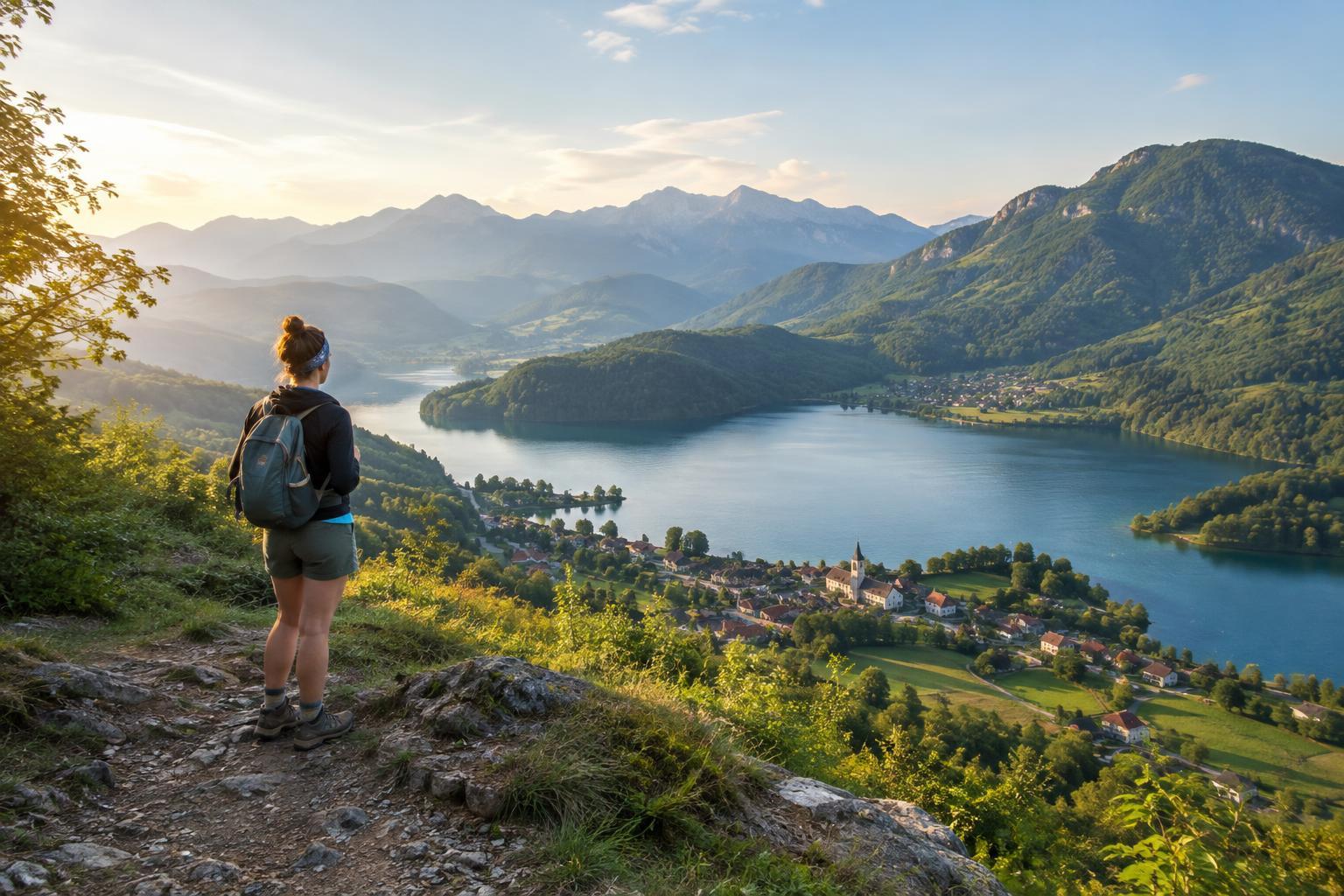
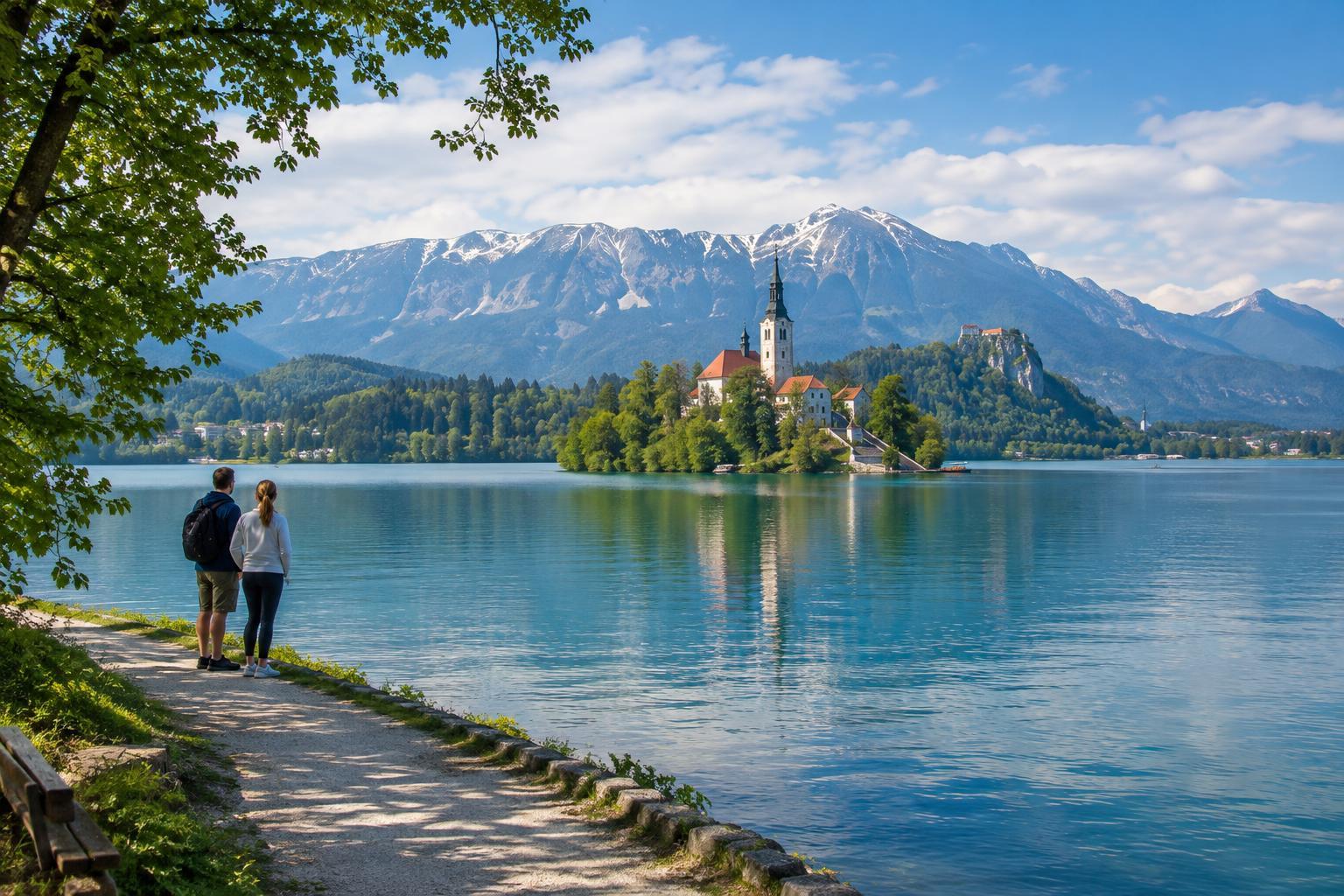
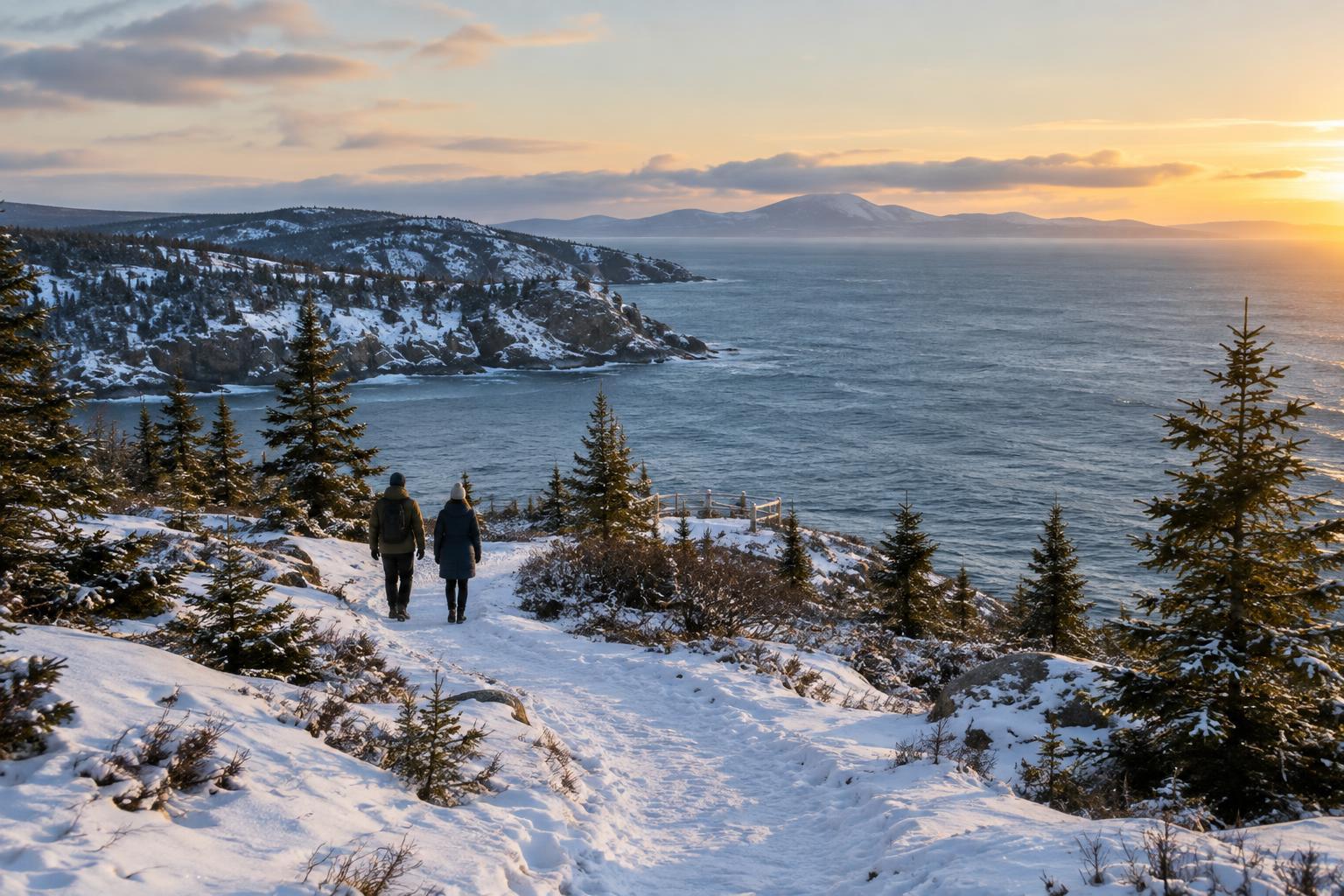
Snowy forests and lake regions suit travelers drawn to stillness, animal tracks and simple walking routes. Look for a town with maintained paths or accessible viewpoints, rather than assuming every trail will be usable in winter. Mountain areas can also work without skiing when the scenery is visible from public transport, village streets or designated walking paths. Check which routes and facilities operate in the season you plan to visit.
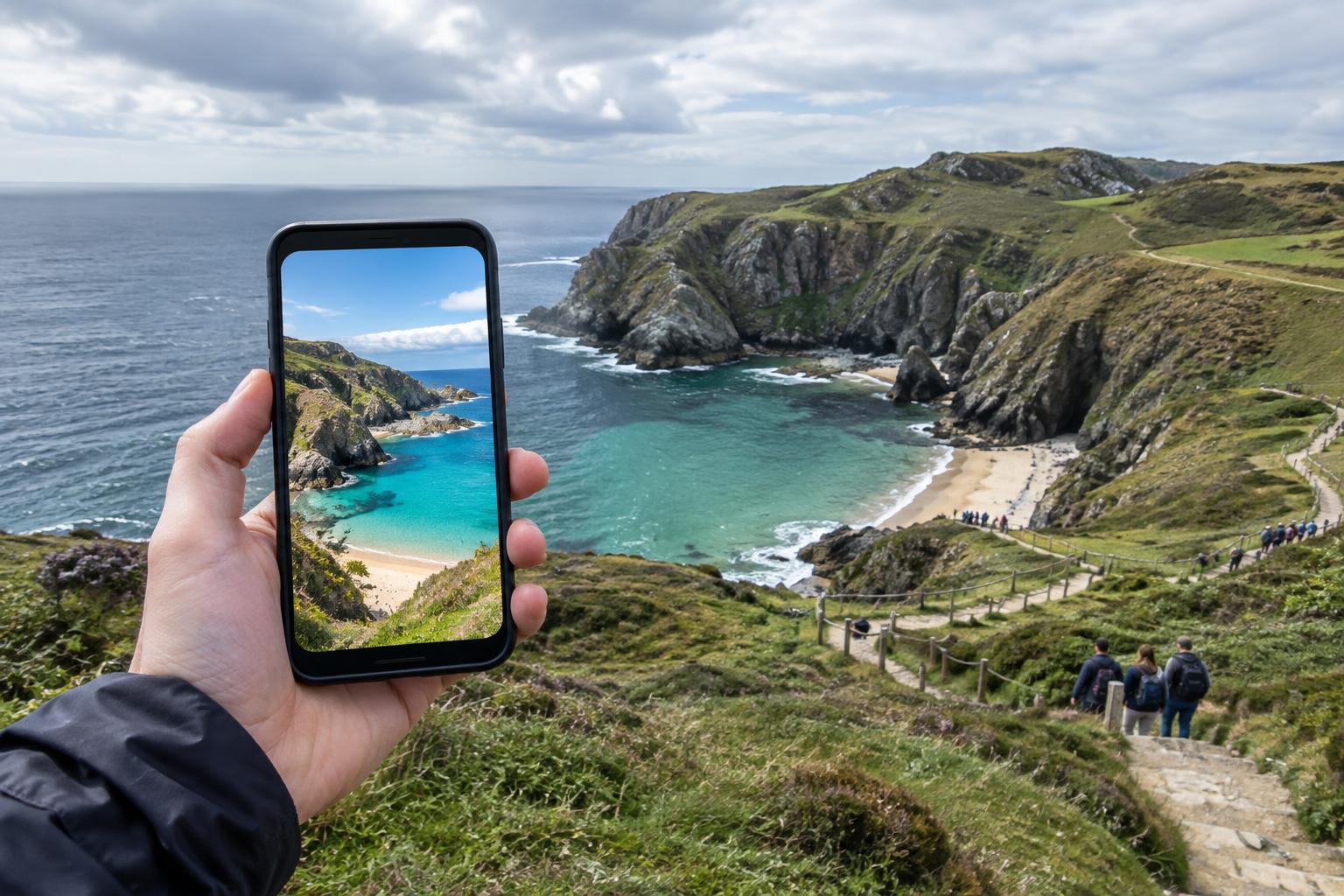
For a different mood, consider a rugged coast or an arid landscape. Winter can offer atmospheric seas and quieter waterfront walks, though wind and rain may limit time outside. In deserts and other dry regions, cooler conditions may make daytime exploration more comfortable than it would be in hotter months, but temperatures can still vary sharply between day and night. If seeing the northern lights is your goal, choose a destination you would enjoy even under cloud cover; no itinerary can promise a sighting.
Match the destination to the available daylight
A beautiful winter view is only useful if you can reach it safely while there is enough light to enjoy it. Before committing to a destination, look at typical daylight hours for your travel period and sketch a realistic day: breakfast, travel to the viewpoint, time outdoors and the return journey. Short days favor a compact base with several nearby options. Longer transfers make more sense when the journey itself is scenic or when you can stay overnight.
Build flexibility into the plan. Choose one priority outing for each day and keep a sheltered alternative, such as a museum, local market or long lunch, for difficult weather. Conditions can change quickly in exposed places, so avoid making a remote walk the only reason for a trip. A destination with appealing indoor stops is not a compromise; it gives you room to enjoy winter rather than fight it.
Check access before booking the postcard view
Photographs rarely show the practical route to a landscape. Find out whether your chosen viewpoints require a car, a guided excursion, a ferry or a walk from town. Check seasonal transport schedules, opening periods and the distance between accommodation and the places you want to visit. If you do not want to drive on icy or unfamiliar roads, favor a base that works by train, bus or a local operator.
Costs deserve the same scrutiny. A lower-priced room far from everything may become expensive once transfers or tours are added. Compare the total cost of reaching two or three must-see places, not just the nightly rate. Staying in a nearby town rather than a resort center may offer more choices for meals and accommodation, provided transport remains straightforward. Where roads, paths or water crossings are involved, check local conditions close to departure and be prepared to change plans.
Pack for time outside and leave room to slow down
You do not need a specialist wardrobe for every winter trip, but clothing should match the conditions and your planned activities. Layers let you adjust as you move between heated spaces and cold viewpoints. Weather-resistant outerwear and footwear with suitable grip may matter more than a bulky coat, especially where paths are wet or slippery. For longer outings, carry water, a charged phone and any essentials you would need if a return trip took longer than expected.
Finally, resist filling every hour. Winter landscapes reward pauses: watching light move across a hillside, taking a short walk after fresh snow, or returning to a viewpoint when the weather clears. Pick a base you will enjoy even on a slow day, then let the conditions shape the details. That approach makes a winter trip memorable without requiring a ski resort—or a packed itinerary.