Choose the landscape before the bloom
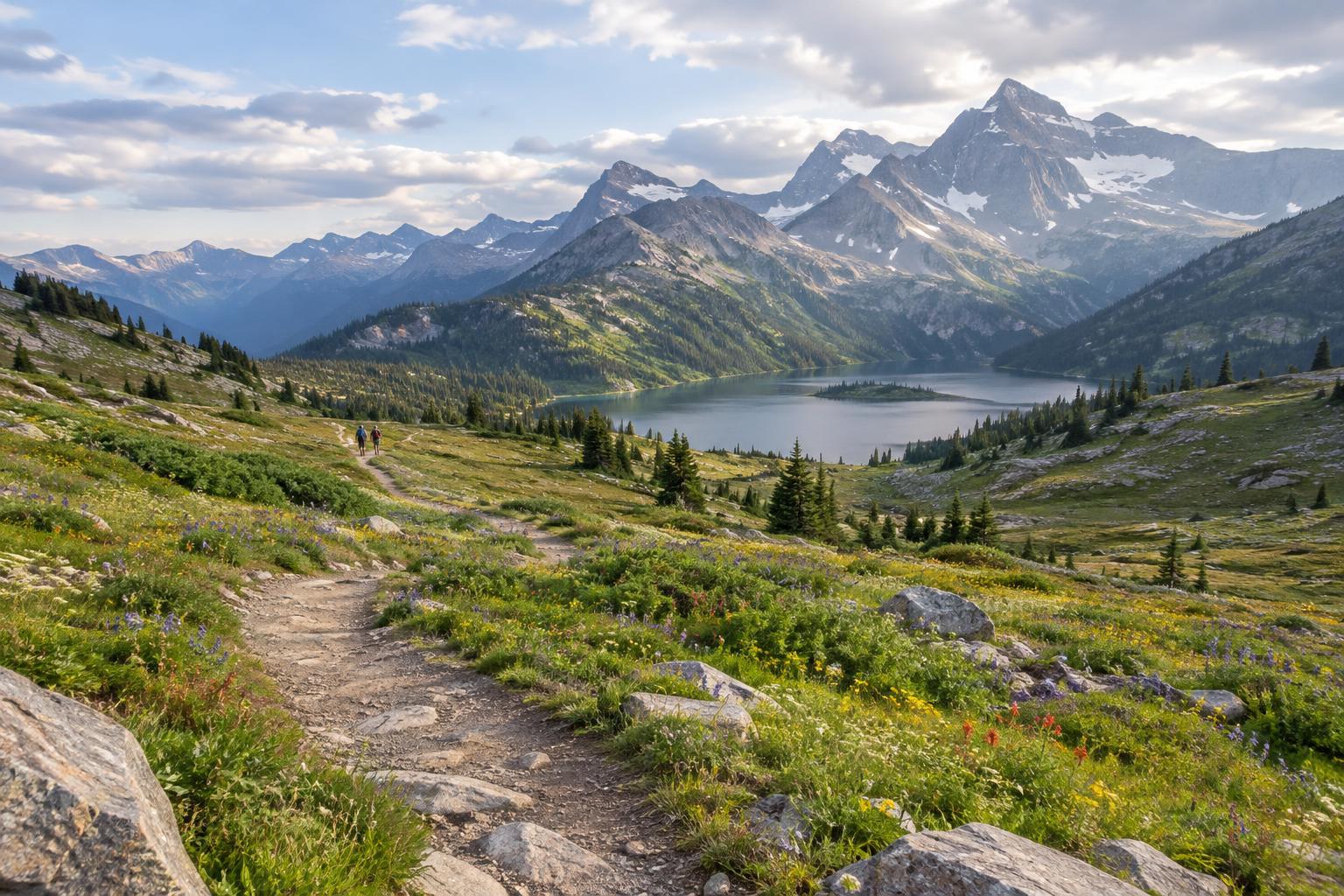
A wildflower trip can begin with a photograph of a hillside in color, but that image may capture an unusually good day in a short and variable season. Start instead by asking what sort of place you would enjoy exploring even if the flowers were sparse. An alpine meadow offers mountain views and walking trails; a desert landscape may appeal for its open space and unusual plant life; a coastal path can make a rewarding outing with or without a colorful display.
The setting also shapes the kind of trip you can take. Some flower-rich areas are visible from short paths or roadside stops, while others require a longer walk, an early start or transport between scattered sites. If you are traveling with someone who has different interests or mobility needs, choose a region with several ways to experience its scenery. A destination that works for the whole group is a stronger choice than a single famous viewpoint.
Treat bloom timing as a window, not an appointment
Flowering can vary from year to year and from one part of a region to another. Weather, elevation, exposure and the species present all affect what you might see. A date described as typical is a planning clue, not a promise. If your travel dates are fixed, look for a destination with different habitats or elevations rather than betting the trip on one field being at its best.
Give yourself time to explore more than one location if distances and your budget allow. A lower, sunnier area and a cooler upland walk may offer different experiences during the same visit. You do not need to chase a perfect display every day: a few flowers along a scenic trail can be satisfying when the walk itself is worth taking. If seeing flowers is the main purpose of the trip, keep any reservations or daily plans as flexible as you reasonably can.
Check what visiting actually involves
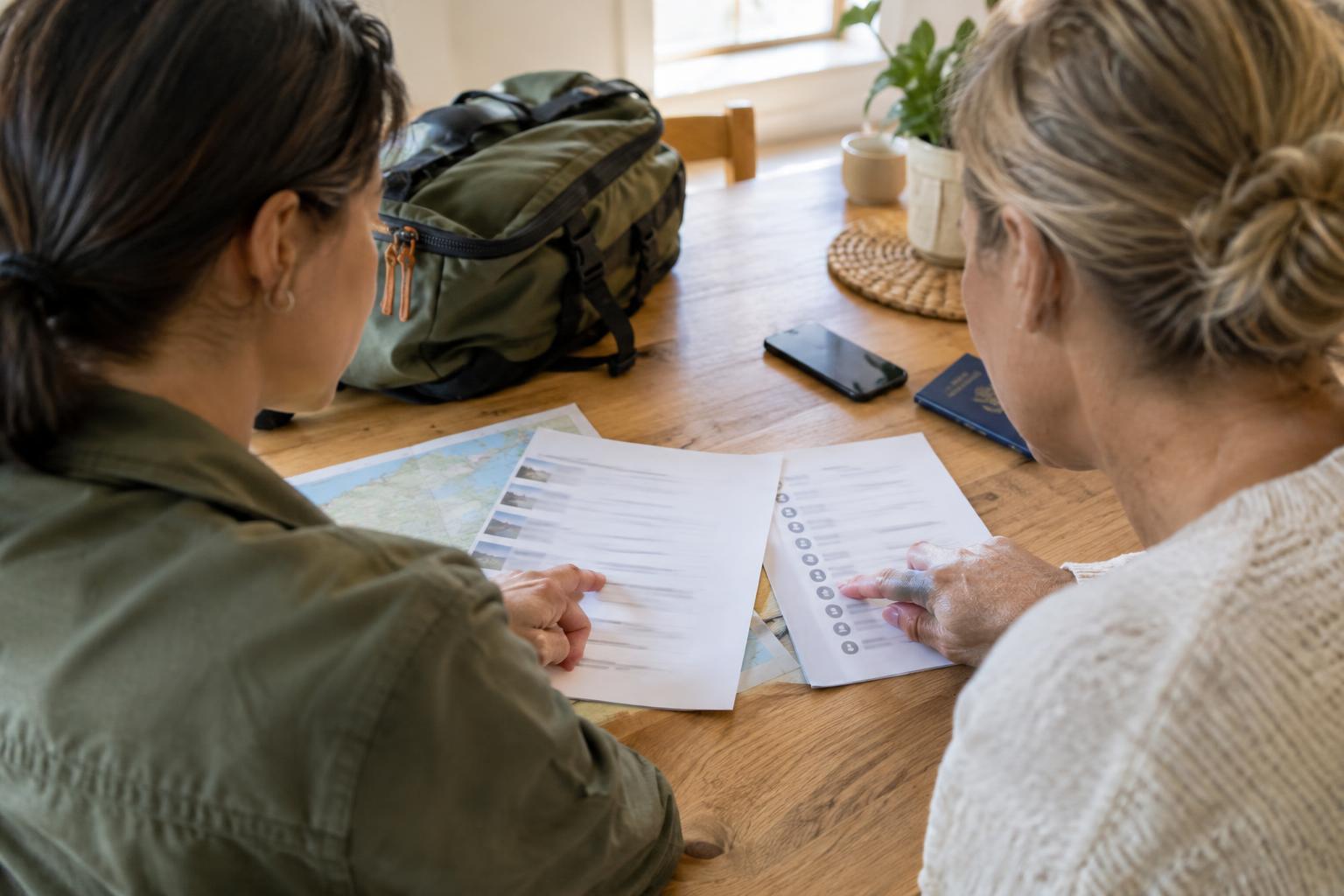
Before choosing a destination, examine the practical route to the places you hope to see. Is there a maintained path, or does the image you found show a spot with no public access? Are the likely walks within your comfort level? Consider travel time from your accommodation, parking or public transport options, and whether a short visit would leave enough time for the rest of your day. These details can matter more than the size of the bloom in a promotional image.
Think about conditions at the site, too. Open landscapes may offer little shade or shelter, and paths can be muddy, rocky or exposed. Pack for the walk you intend to take, with suitable footwear, water and a layer for changing weather. If you want photographs, allow time to slow down rather than planning a rushed stop between long drives. A modest trail you can explore comfortably often makes a better memory than an ambitious site you barely have time to reach.
Build a trip that can succeed in any bloom year
List two or three activities you would still welcome if the flowers are early, late or limited: a scenic walk, a small town visit, a viewpoint or a cultural stop. Then choose a base that makes those options practical without constant repacking or excessive driving. This approach helps you judge the destination as a whole, rather than treating the landscape as a backdrop for one photograph.
When you do find flowers, enjoy them from established paths and respect any barriers or local access rules. Stepping into a meadow for a clearer picture can damage plants and the ground around them, even when a single footprint seems harmless. A good wildflower destination is one you can appreciate without needing to enter fragile areas. Plan for the chance of a beautiful display, but let the wider journey be the reason to go.