Name the scene, not just the place
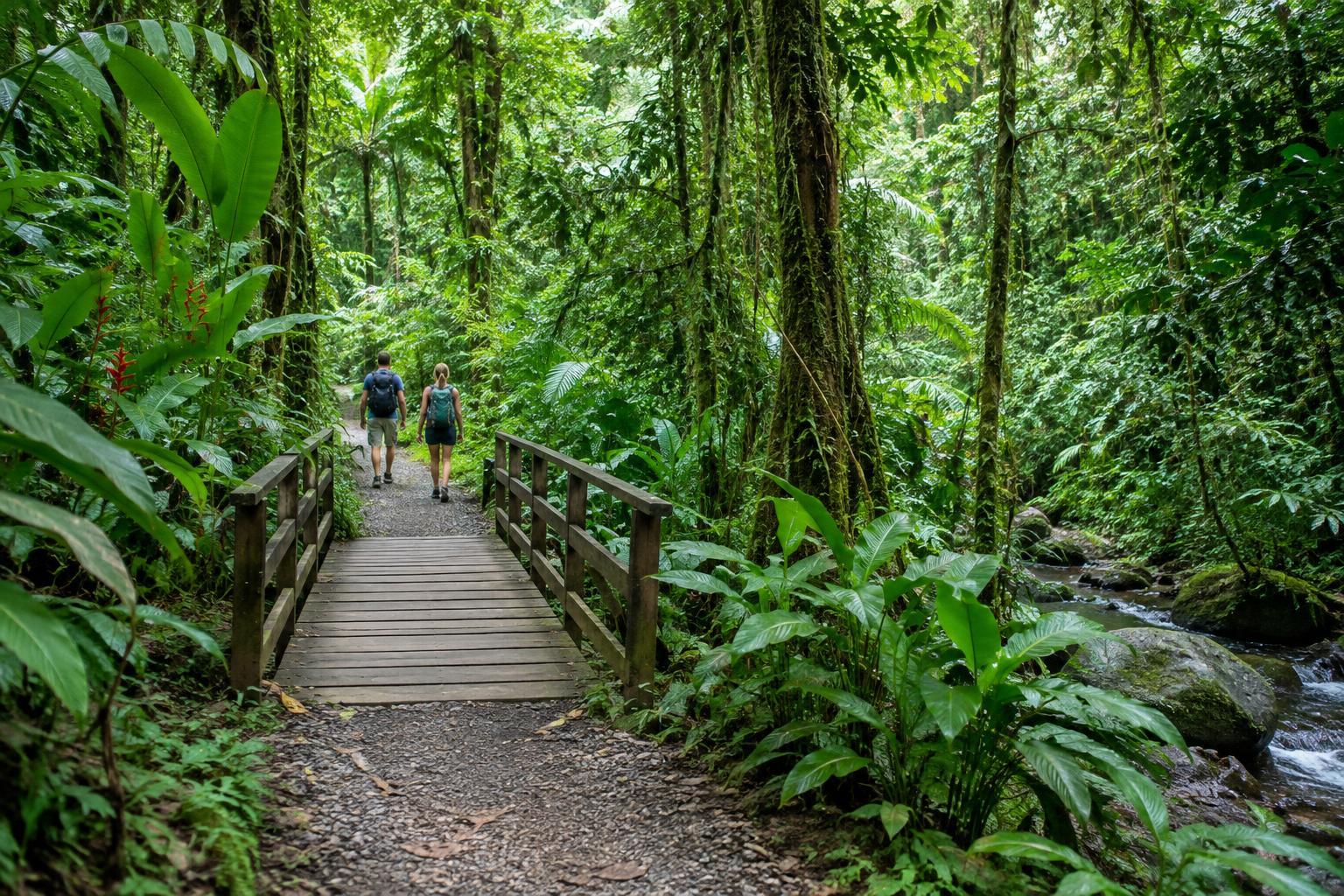
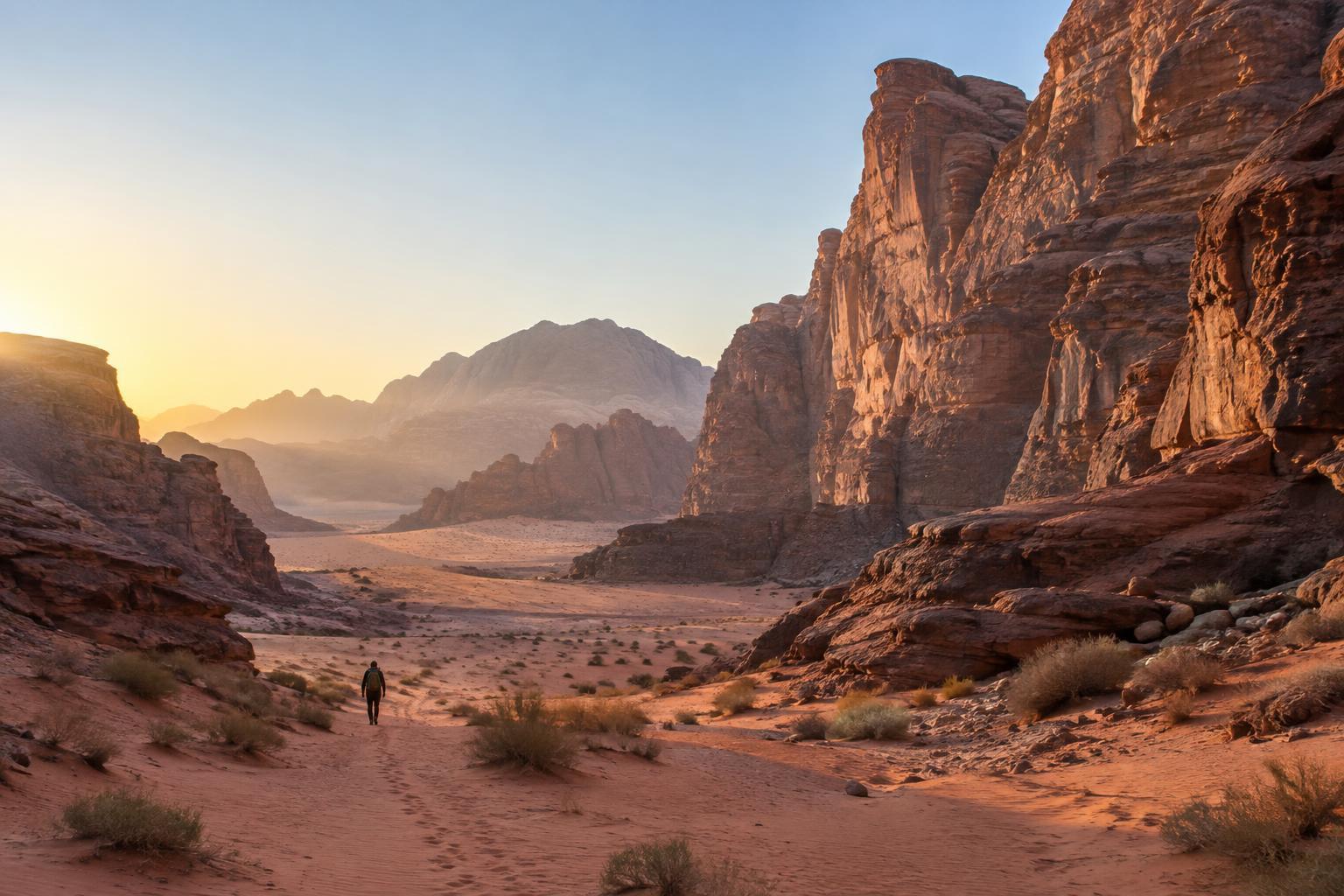
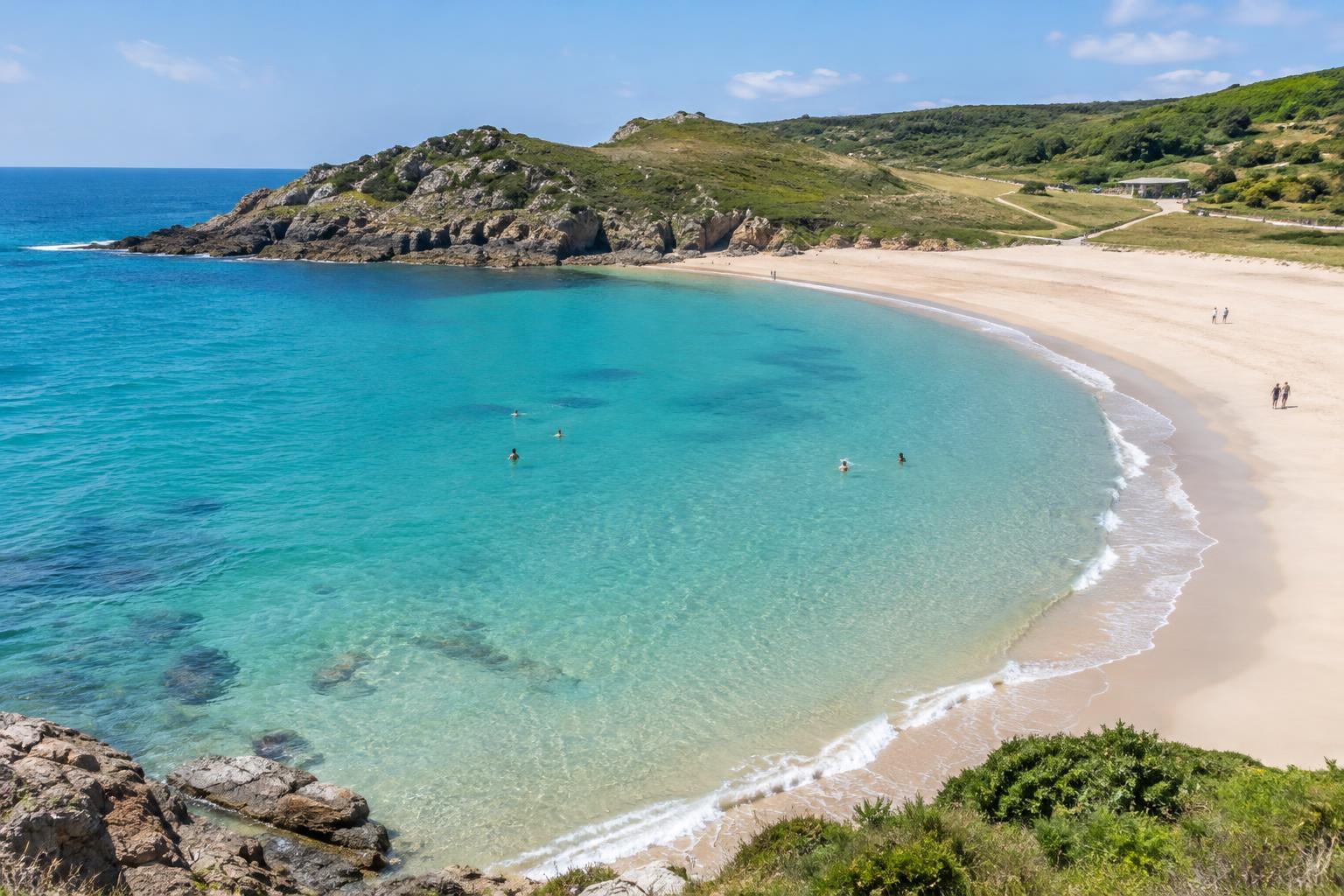
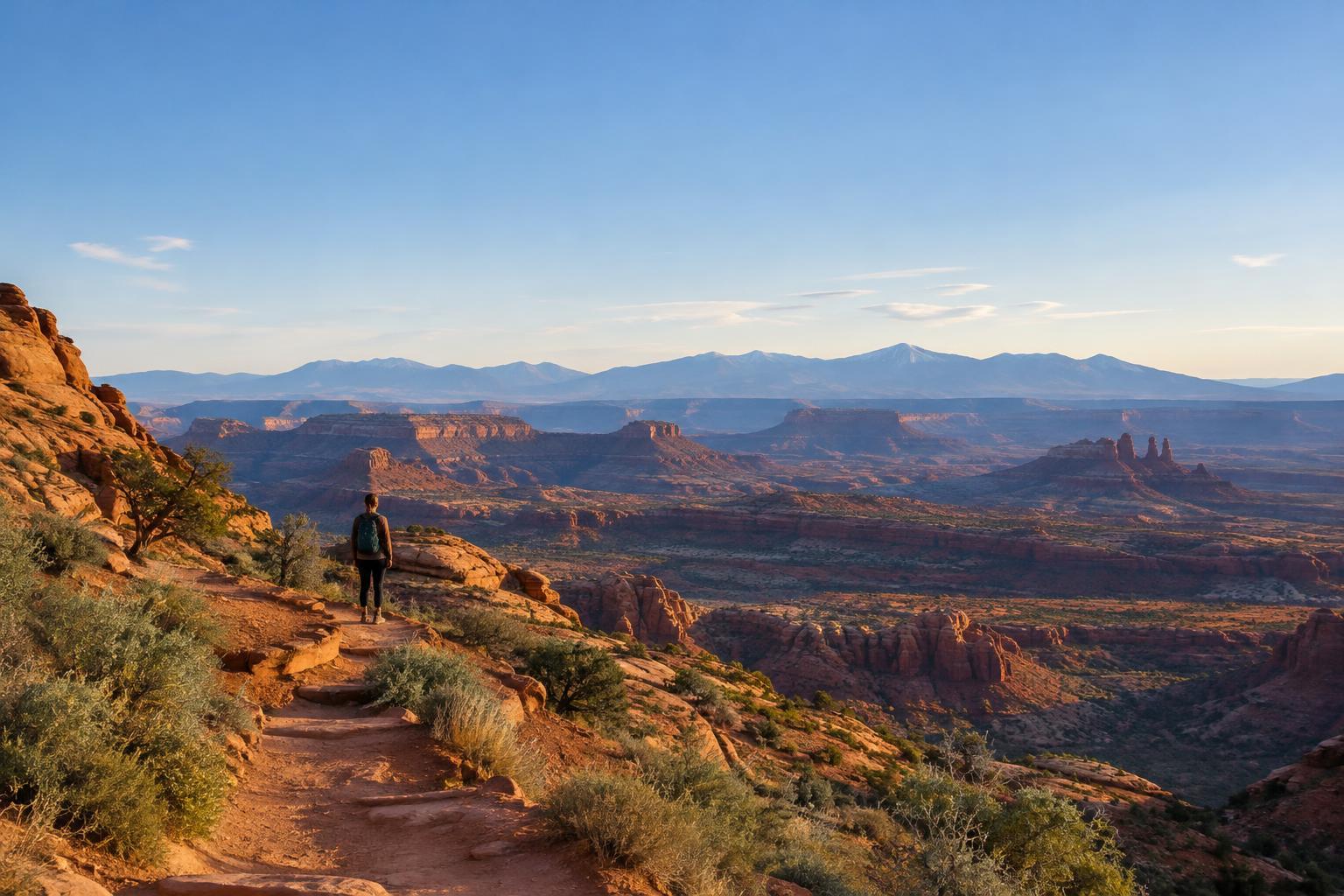
A destination often enters a wish list through a single photograph: a mountain reflected in a lake, a road crossing open desert or a village above the sea. Before booking the place in the picture, describe what draws you to it. Is it the scale, the color, the quiet, the chance to walk through it or the view from a comfortable base? That distinction opens up more options than one famous location.
Make a short list of landscapes you would be delighted to spend several days around. Be specific. “Mountains” might mean snowy peaks seen from a train, gentle valleys with village walks or rugged trails above the treeline. “Coast” might mean swimming coves, wind-swept cliffs or long beaches for unhurried walks. Your answers will help you choose a trip rather than chase a view that may occupy only one hour of it.
Match the landscape to the experience you want
The same scenery can support very different trips. A forest destination might offer easy paths near town, long hikes between remote stays or scenic drives with short stops. Decide how you want to encounter the landscape: on foot, from the water, by public transport, on a road trip or from a single well-placed accommodation. Be honest about how much activity feels enjoyable rather than impressive.
Also consider what you want between scenic outings. If food, museums and evening walks matter to you, look for a town or city that works as a base. If solitude is the priority, a more remote stay may be worth the extra planning. Neither choice is more authentic. The better destination is the one where the ordinary hours of the trip appeal to you as much as the headline view.
Check when the scenery is likely to deliver
Landscapes change with the season, weather and length of daylight. A waterfall may look different during a dry period, a mountain trail may be inaccessible when you can travel, and a desert walk may be more comfortable at some times than others. Conditions vary within regions and from year to year, so check destination-specific information before treating a photograph as a promise.
For each candidate, write down your available travel window and the conditions your main experience requires. If your goal is hiking, investigate typical trail access rather than simply choosing a month labeled “best.” If you want autumn color or wildflowers, leave room for timing to vary. Build in a second reason to enjoy the destination, such as local food or cultural sites, so a cloudy day does not undo the whole trip.
Measure the effort behind the view
A landscape can look close on a map and still require a long transfer, limited transport or an early start. Trace the full journey from your arrival point to where you would actually sleep and spend your days. Note whether you need a rental vehicle, guided access, a boat or reservations. If your trip is short, a less dramatic landscape near a convenient base may give you more time outdoors than a distant icon.
Set a rough budget for the whole experience, not just transportation to the destination. Include local travel, accommodation, entrance or activity costs where relevant, meals and a little flexibility. Then consider your tolerance for crowds and logistics. A popular viewpoint may be exactly what you want, but you may prefer a quieter area with similar terrain if slow mornings and spontaneous stops are part of the dream.
Make a shortlist you can act on
Choose three candidates that fit your landscape wish and compare them using five questions: Can I reach the scenery comfortably? Does my travel window suit the activities I want? Can I afford enough time there? Would I enjoy the trip if the signature view is obscured? Does the pace sound like a holiday to me? Keep your answers brief and concrete. You are looking for a workable match, not a perfect score.
Once a destination stands out, sketch one sample day: how you get from your accommodation to the landscape, what you do there and how you return. If that day sounds appealing and repeatable with a few variations, you have a strong starting point for an itinerary. The most memorable scenery is not always the most famous. It is often the landscape you have enough time, energy and freedom to experience on your own terms.