Start with your busiest realistic day
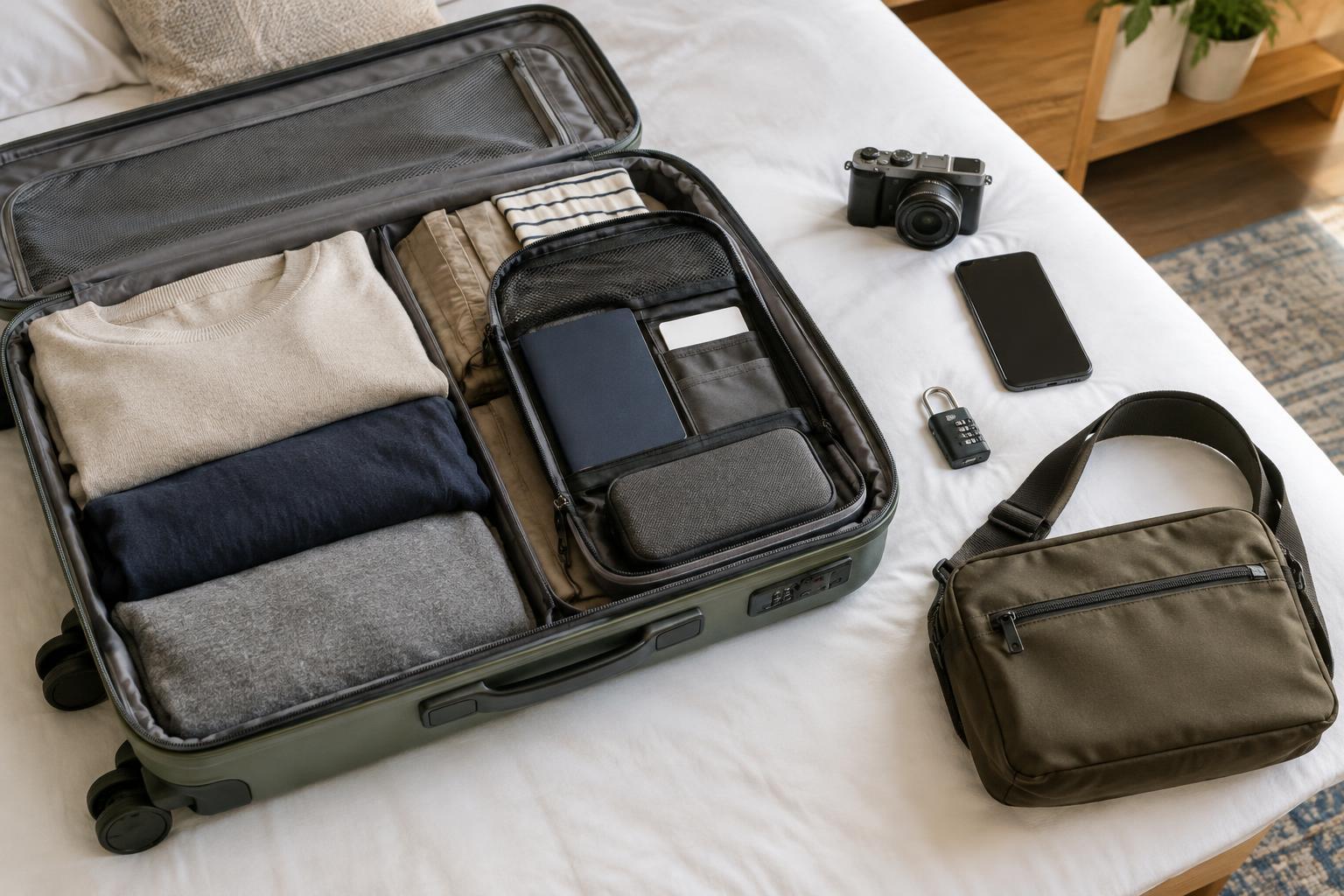
The best daypack is not necessarily the one with the most features. Picture a full day away from your accommodation: a train ride, several hours on foot, a stop at a museum and an easy trail before dinner. Write down what you would carry for that day, including water, a layer, snacks, travel documents and any camera gear. Then separate essentials from items you tend to pack “just in case.” That list gives you a more useful starting point than a bag’s appearance or advertised purpose.
Capacity matters, but it is easy to overbuy. A compact pack may be enough for a warm-weather city day, while a bulkier layer or shared supplies can make a larger bag worthwhile. If you are considering a pack in the roughly 12–20 liter range, try loading it with your actual belongings before deciding. A bag that looks spacious when empty may feel cramped once a jacket and water bottle go in; an oversized one can invite you to carry weight you do not need.
Choose comfort for walking, not just for the shop floor
A daypack can feel fine for a minute and irritating after an hour. Check where the shoulder straps sit, whether they adjust easily and whether the loaded bag pulls backward. Padding can help, but strap shape and fit often matter more than thickness alone. A sternum strap may keep the shoulder straps from slipping during longer walks. If you plan to carry more weight or walk on uneven ground, a supportive hip belt may be useful, though a simple waist strap is not the same as a load-bearing one.
Try the pack with the shoes and outerwear you expect to use, if possible, and walk around with it filled. Notice whether you can turn your head, reach your water and move your arms comfortably. Back panels with channels or mesh may feel less clammy in warm weather, but no design can guarantee a dry back. Comfort is personal: a highly structured hiking pack may be pleasant on a trail but awkward in a crowded café or on a packed train.
Look for organization you will actually use
Transit days reward quick access. A secure pocket for a ticket, headphones and small necessities can keep you from opening the main compartment repeatedly. Inside, one or two dividers can separate clean items from snacks or charging cables. Too many small pockets, however, may make it harder to remember where things are. Choose a layout you can understand at a glance, especially when you are tired or changing platforms.
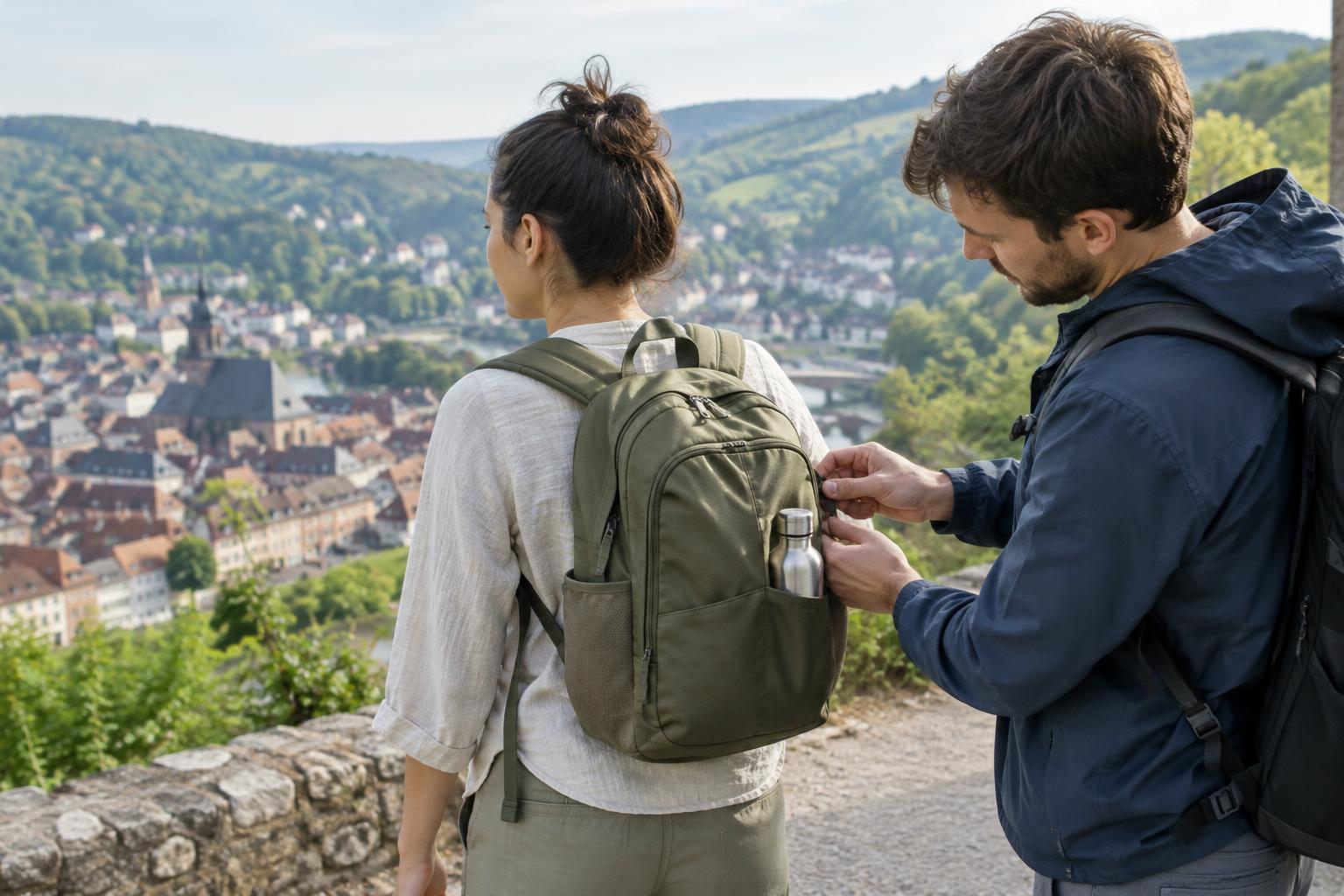
Consider how the bag opens in different settings. A wide opening makes packing and finding a layer easier; a narrow top opening may be simpler but requires more rummaging. Check that zippers are easy to operate and that exterior bottle pockets hold your usual bottle securely. For crowded spaces, keep important documents and valuables in an interior pocket that is not easy for someone else to reach. No pocket makes a bag theft-proof, so staying aware of where it is remains important.
Match the fabric and features to your plans
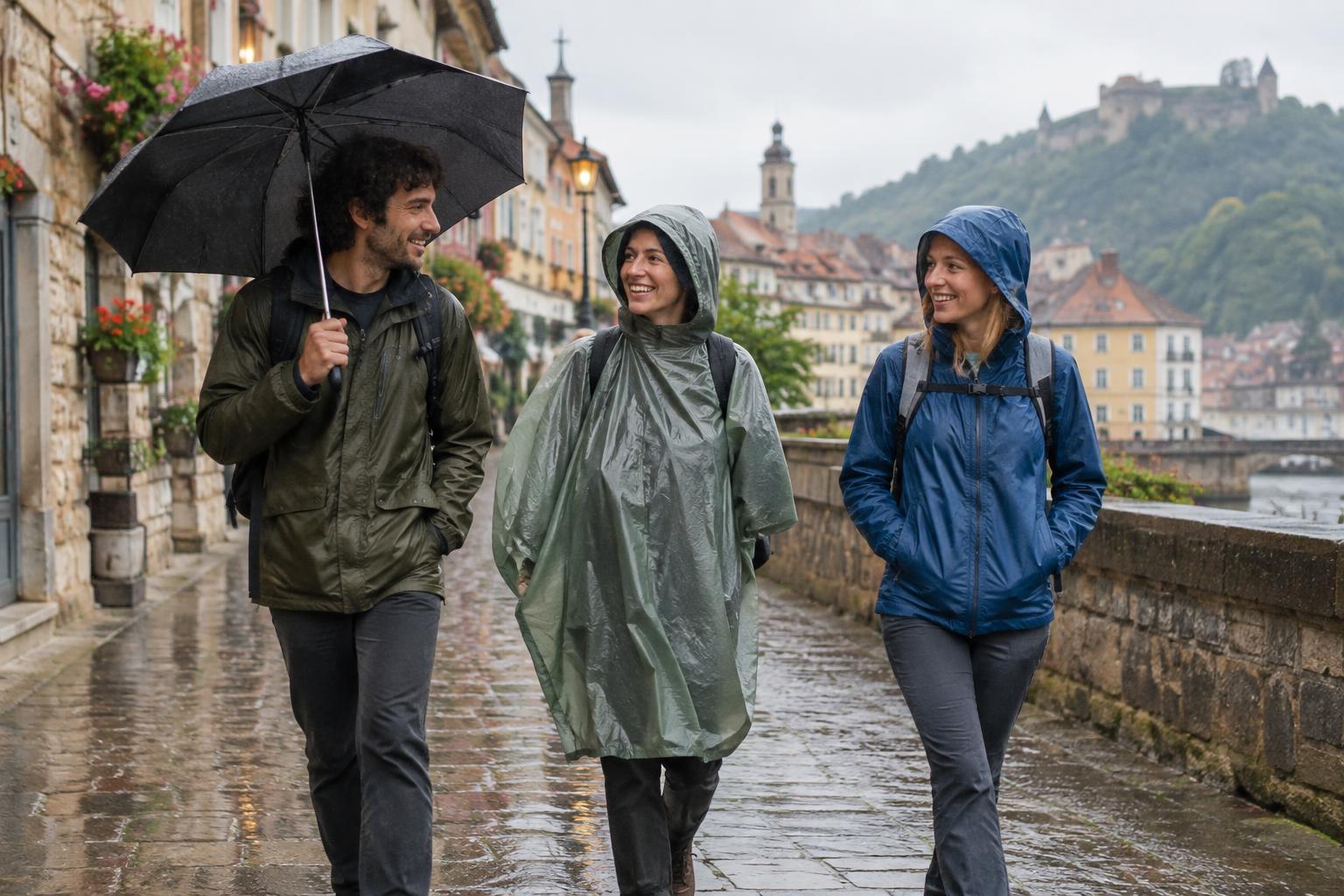
If you expect changeable weather, distinguish between water-resistant fabric and a bag that can withstand sustained rain. Zippers and seams can let water in even when the main material sheds a brief shower. A fitted rain cover can help, but wind or movement may shift it. For electronics and documents, a separate waterproof pouch or dry bag adds a useful layer of protection. Test any weather setup before relying on it far from shelter.
Other features are worth judging against your itinerary. Compression straps can steady a partly filled bag; a hydration sleeve may suit walks where you prefer to sip while moving. Reflective details can improve visibility in low light but do not replace sensible route choices. If you intend to use the pack as a personal item on a flight, check the airline’s current size rules and measure the bag when packed. Published capacity alone will not tell you whether it fits beneath a seat.
Do a packed trial run before the trip
Once you have a candidate, pack it for a representative day and carry it on an ordinary walk. Put denser items close to your back, keep frequently used items accessible and leave enough room to stow a layer you might take off. If the bag bulges, tips away from you or requires careful repacking every time you remove something, reconsider either the bag or your packing list.
A versatile daypack is a compromise. The sleekest city bag may offer little trail support, while a feature-heavy hiking model may be more than you want for galleries and trains. Prioritize the setting in which you will wear it longest, then make sure it works adequately for the others. That approach is more likely to produce a bag you enjoy carrying than trying to find one that excels at every possible trip.