Start with the beach day you want
Before collecting photos of turquoise water, decide what you want to do at the coast. A traveler hoping to swim every morning needs a different beach from someone who wants cliff walks, sunset views and an occasional paddle. Write down your priorities in order: comfortable swimming, room to spread out, dramatic scenery, easy access, nearby food or activities. This makes it easier to judge a destination by how you will use it rather than by its most flattering image.
Think about the whole trip, too. If the beach is one stop on a wider itinerary, a convenient coastal town may be more useful than an isolated cove. If you plan to stay put for a week, variety matters: several beaches, walks or sheltered places to relax can give you options when the weather or water conditions do not suit your original plan.
Look beyond the color of the water
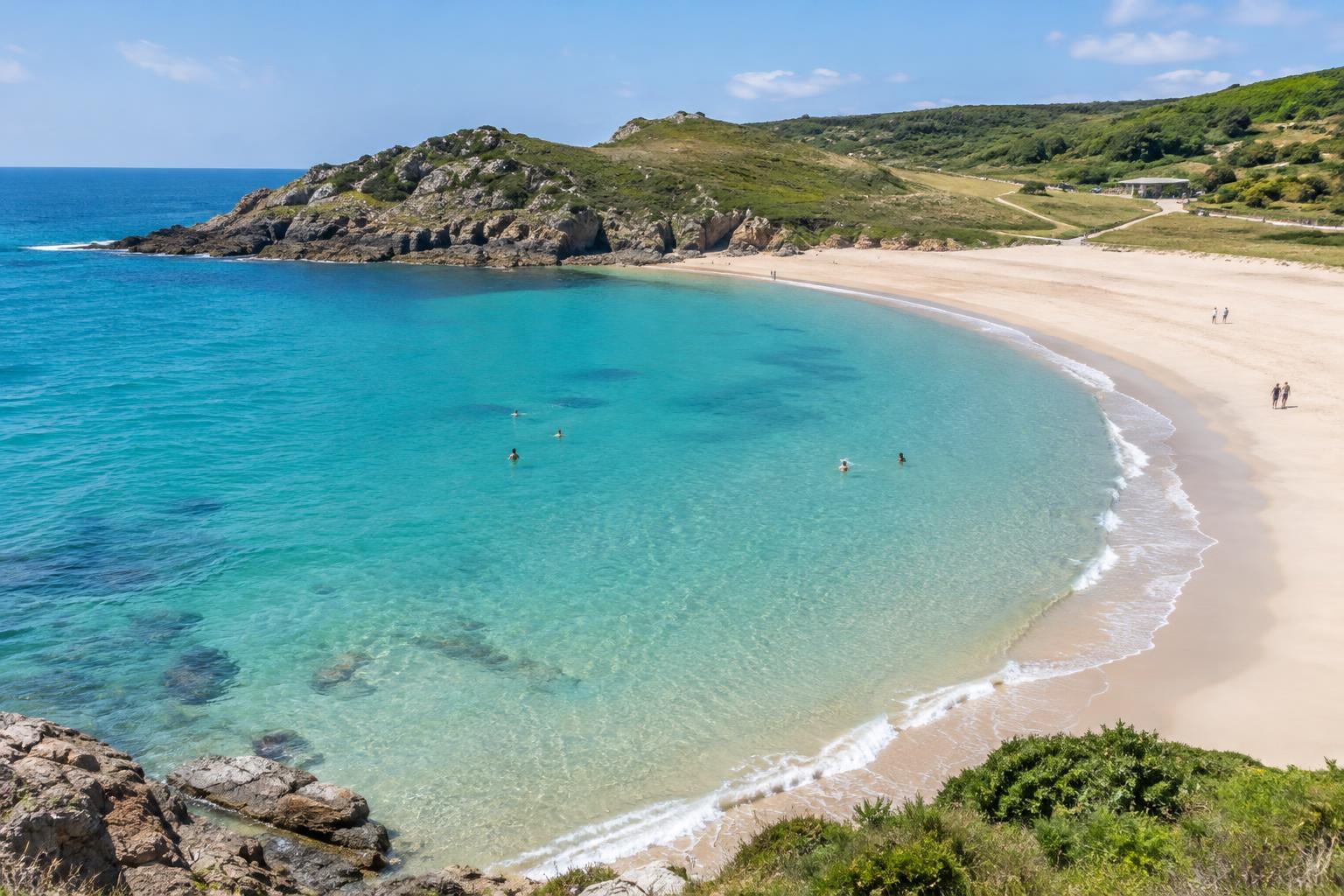
Clear, calm-looking water in a photograph does not tell you how a beach swims. Some shores have a gentle, sandy entry; others become deep quickly or have rocks underfoot. Waves, currents, tides, wind and water temperature can also change the experience. A bay sheltered from the prevailing wind may feel very different from an exposed ocean-facing beach nearby. If swimming is central to your trip, compare specific beaches rather than assuming every part of a destination has the same conditions.
Before booking, look for descriptions of the shoreline and whether there are designated swimming areas, lifeguards or posted safety information. Check local guidance again when you arrive, and follow signs, flags and lifeguard instructions. Conditions can change during a single day. If you are traveling with children or less confident swimmers, favor places with an easy entry and convenient facilities, while remembering that no beach is automatically safe.
Plan for the crowds you can live with
Crowds are not always a drawback. A popular beach may have straightforward transport, places to eat and a lively atmosphere. But if you picture long, quiet afternoons, the same beach can feel frustrating when space is limited. Consider how many people a shoreline can comfortably hold, not just how famous it is. A long open beach may absorb visitors better than a tiny cove with one access path.
Your timing can make a difference. School holidays, weekends and the warmest part of the day may draw more visitors, though patterns vary by destination. Staying within walking distance can make an early swim or late-afternoon visit easier without building your day around parking. If you prefer a quieter base, look at nearby alternatives and check what you would give up in return: fewer facilities, a longer journey or a beach that is less suitable for swimming.
Choose scenery you can actually enjoy
Coastal scenery comes in many forms: broad dunes, palm-lined bays, rugged headlands, volcanic rock or fishing villages beside the water. Ask where you will experience that view. A spectacular overlook may require a hike, while a beautiful cove might have little shade or almost no dry sand at high tide. If photography or walking is a priority, look for public paths, viewpoints and more than one accessible stretch of coast.
It helps to separate a destination’s signature view from its everyday beach. The place featured in travel images may be best for a short visit rather than a full day with towels and bags. Consider whether you would enjoy the setting in less-than-perfect weather, too. A coastal path, harbor or sheltered café can make a scenic destination rewarding even when swimming is off the agenda.
Make a final practical comparison
Narrow your list to two or three destinations and compare them using the same questions. Which has beaches that match your swimming ability? How will you reach them, and what will you carry? Is there shade, drinking water or a place to take a break? Can you choose another beach or activity if the first one is crowded or conditions are poor? Include the cost and effort of local transport, not just accommodation, when weighing options.
The best choice rarely wins every category. You might accept a busier beach for easy swimming and facilities, or choose a wilder coastline knowing you will spend more time walking than in the water. Pick the trade-off that supports your main reason for going. Once there, stay flexible: a beach plan works best when the day’s conditions, rather than a photograph, guide what you do.