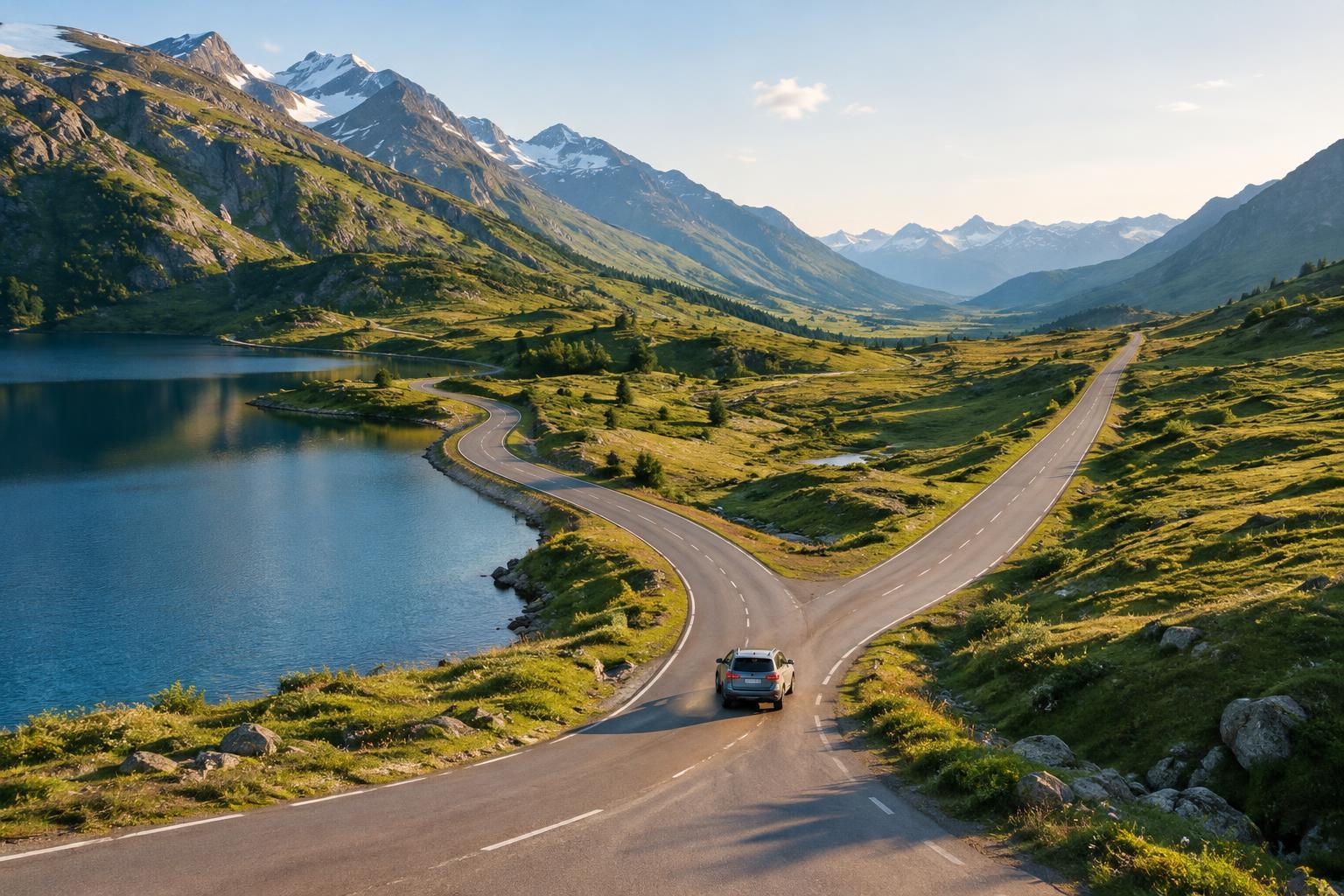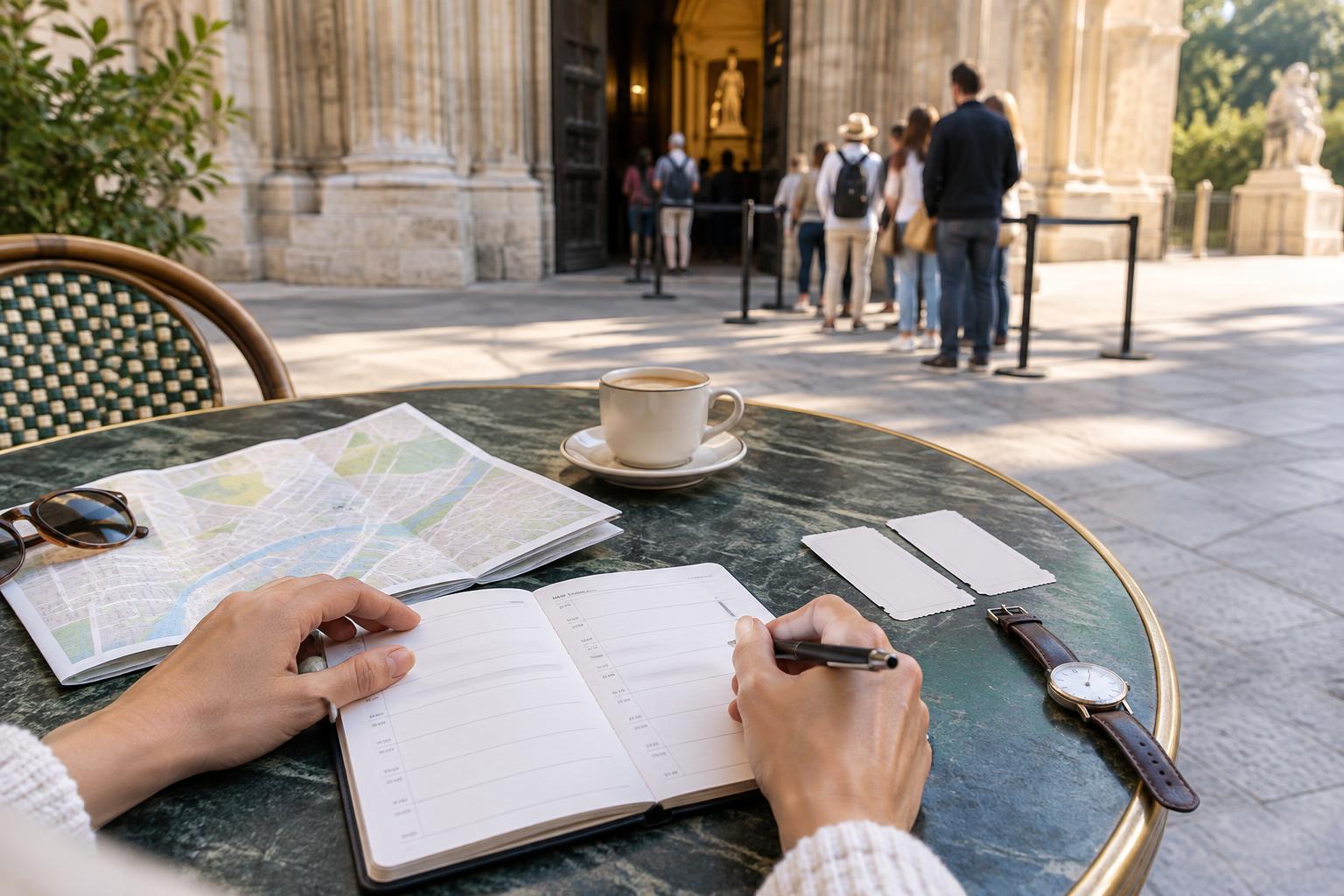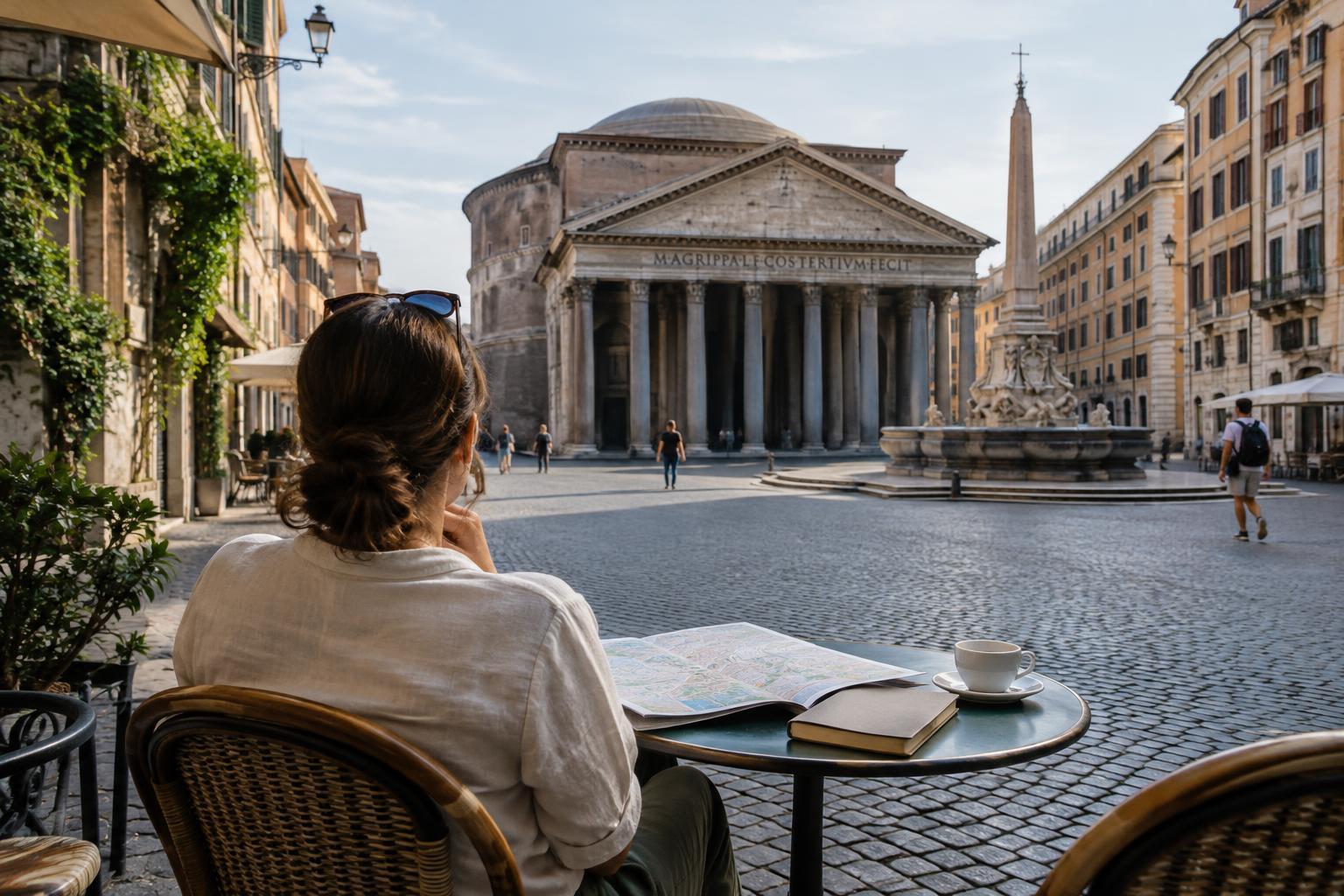
Decide what makes the trip worthwhile
The easiest way to overfill an itinerary is to treat every appealing stop as essential. Before assigning anything to a day, ask each traveler to name the experiences they would be most disappointed to miss. These might be a particular museum, a mountain walk, a neighborhood market, or an evening performance. Compare lists and choose a small set of shared priorities. Everything else can be an option rather than a promise.
Be specific about why each priority matters. If you want to see a famous landmark for its architecture, you may want time to go inside. If you mainly want the view, a walk past it might be enough. This distinction helps you spend your limited time and budget on the parts of an experience you actually value. It also makes it easier to skip a crowded or costly attraction that sounded important only because it appears on every suggested itinerary.
Plan around anchors, not a minute-by-minute schedule
An anchor is an activity that shapes part of a day: a timed entry, a guided tour, a long hike, or a dinner reservation. Place these on your calendar first, along with the travel needed to reach them. Then decide whether the remaining time is best used for another stop or left open. For many travelers, one major anchor and one optional activity make a more comfortable day than a string of fixed commitments.
Check the practical details before booking around an anchor. Opening hours, reservation rules, journey times, and seasonal conditions can affect what fits. Remember that getting from one attraction to another takes more than the time shown for the ride: you may also need to find the entrance, wait, eat, or take a break. A route that looks effortless on a map can feel rushed when every transition has to go perfectly.
Group nearby sights where it makes sense, but do not turn a neighborhood into a checklist. A loose plan such as “museum in the morning, explore the surrounding streets afterward” gives the day direction without dictating every turn. Keep a short list of nearby possibilities so you can choose one if you have the energy.
Give free time a purpose without filling it
Free time is not leftover time. It lets you linger over a meal, return to a place you liked, browse a shop, or simply rest. It can also absorb delays without forcing you to sacrifice an important booking. Mark open blocks on your itinerary as deliberately as you mark reservations, and resist the urge to assign an attraction to them before the trip begins.
Think about how you like to travel when placing those blocks. Someone who enjoys early starts may appreciate an unplanned afternoon; someone who likes slow mornings might keep the first part of the day open. If your trip includes long travel days, demanding walks, or late nights, allow more breathing room afterward. Free time is most useful when it appears where you are likely to need it, not only at the end of the trip.
Build choices for different energy levels and budgets
Keep optional ideas in two or three simple categories, such as “nearby and easy,” “worth a longer outing,” and “good for a rainy day.” Note whether each one requires advance booking or has an admission cost. When an open afternoon arrives, you can choose according to the weather, your energy, and what you have already spent instead of starting your research from scratch.
Travel companions may also need different amounts of downtime. Discuss expectations before the trip, especially if one person wants to visit every gallery while another would rather sit in a café. You do not have to do everything together. Agreeing on a meeting place and time can give each person room to enjoy the day without making anyone feel they are holding the group back.
Review the next day, then let go of the rest
A useful itinerary can change. Each evening, check the next day’s essential details and decide whether its optional plans still appeal to you. If a must-see attraction took longer than expected, move or drop something lower on the list rather than trying to recover every lost minute. Keep reservation information and addresses easy to find, but treat the rest of your plan as a menu.
The goal is not to maximize the number of places you can say you visited. It is to give your top experiences enough time to be enjoyable while leaving space for discoveries and ordinary moments along the way. When you know what matters most and what can wait, changing plans feels less like missing out and more like making a good choice for the trip you are actually having.