Choose a performance with context
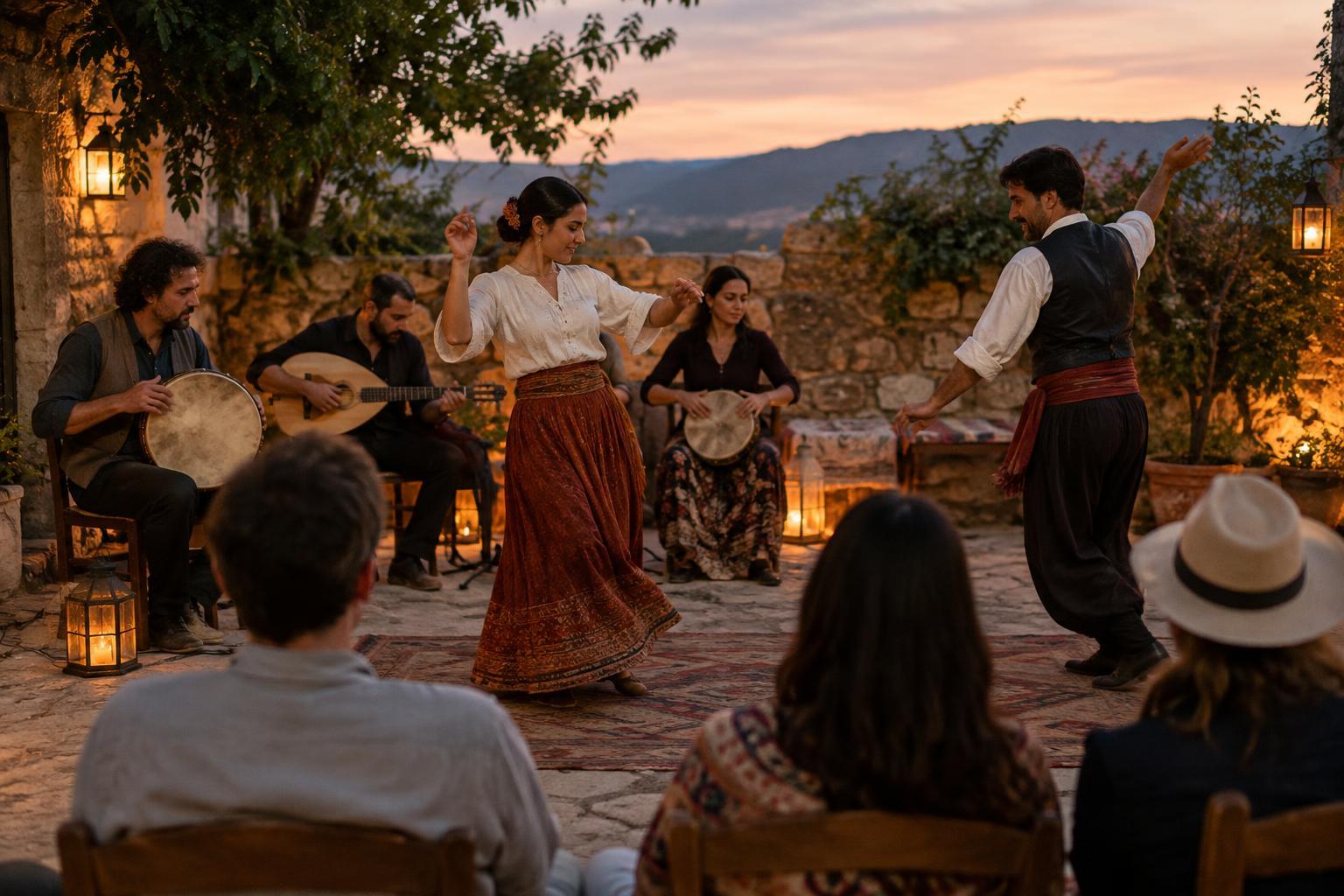
A traditional music or dance performance may be a community gathering, a ticketed stage show, part of a festival or an event with ceremonial meaning. These settings are not interchangeable. Before booking or showing up, read the organizer’s description: Who is presenting the work? Is it open to visitors? Does the listing explain the tradition, the artists or any audience expectations? If those details are unclear, ask the venue or host rather than assuming every public-looking event welcomes tourists.
A polished production is not automatically less meaningful than a small gathering. Performers may adapt a presentation for a stage, a short program or a multilingual audience while remaining deeply connected to their work. Look for events that name or credit artists, provide context and make it clear how admission supports the people involved. Choose based on what you hope to learn, your budget and the kind of audience experience the organizers offer—not on a promise of an “untouched” culture.
Prepare for the room you are entering
Check the practical details before you go: start time, expected length, seating, accessibility, age guidance and any dress or photography rules. Arriving early gives you time to find your place without interrupting an opening song or procession. In a small venue, even a late entrance or a brightly lit phone screen can be noticeable. If you are attending with children, explain beforehand that some moments may call for quiet listening while others may invite a response.
There is no universal rule for applause, standing, singing along or approaching performers afterward. Watch for cues from the host and the audience, and follow any instructions given at the venue. If a program or introduction offers background on the work, take a moment to read or listen. Knowing whether a piece tells a story, marks a celebration or belongs to a particular community can help you pay attention without needing to understand every word or movement.
Let the performance take priority over recording it
Treat photos and video as something to check, not a right that comes with a ticket. Rules may differ between a curtain call and the performance itself, or between a public stage and a gathering in a shared space. Even when recording is permitted, keep your device low, silence notifications and avoid flash. Do not block another person’s view to get a clearer shot. If you plan to post a recording, check whether the venue permits sharing as well as filming.
Be especially careful with images of audience members, children and anyone participating outside a formal stage setting. Permission to attend does not necessarily mean permission to publish someone’s face or an intimate moment online. Sometimes the best choice is to put the phone away entirely. You may remember more of the rhythm, movement and atmosphere when you are not trying to capture each part of it.
Participate when invited, not when assumed
Some performances encourage clapping, call-and-response or dancing; others ask the audience to observe. Wait for a clear invitation before joining in, touching instruments or stepping into a performance area. If you are unsure what a gesture means, it is fine to smile and watch. You do not need to imitate a movement to show appreciation, and declining an invitation politely is usually better than taking part in a way that feels uncomfortable or disruptive.
Curiosity is welcome when it leaves room for the performers to set boundaries. If there is a question-and-answer session, ask about the performance or where you can learn more rather than requesting that someone explain an entire culture on the spot. Avoid calling unfamiliar practices “strange” or judging them against what you expected to see. A thoughtful question—and a willingness to hear a brief answer—is more respectful than pressing for a personal story.
Support the people behind the experience
Follow the venue’s guidance on tips, merchandise and meeting artists. Where appropriate and within your budget, buying a ticket directly from the organizer or purchasing an official recording can be a straightforward way to support the work. Do not assume an individual performer can accept tips, pose for photos or stay after a show. If you want a picture together, ask first and accept a no without asking for an explanation.
Afterward, describe what you saw with care. Name the artists or group when that information is provided, and distinguish what you learned from what you are guessing. One performance cannot stand for every person in a region or community. The most rewarding approach is simple: arrive prepared, follow the hosts’ lead, give the artists your attention and leave space for the experience to be more than an item checked off a travel list.