Start with the experience you want
A cultural experience might mean visiting a historic neighborhood, learning a craft, attending a performance or understanding the traditions behind a meal. Before deciding whether to book a guide, name what you hope to take away. Do you want background and answers to questions, or time to observe and follow your curiosity? Neither approach is automatically more authentic. What matters is whether it helps you engage thoughtfully with the place and the people who live there.
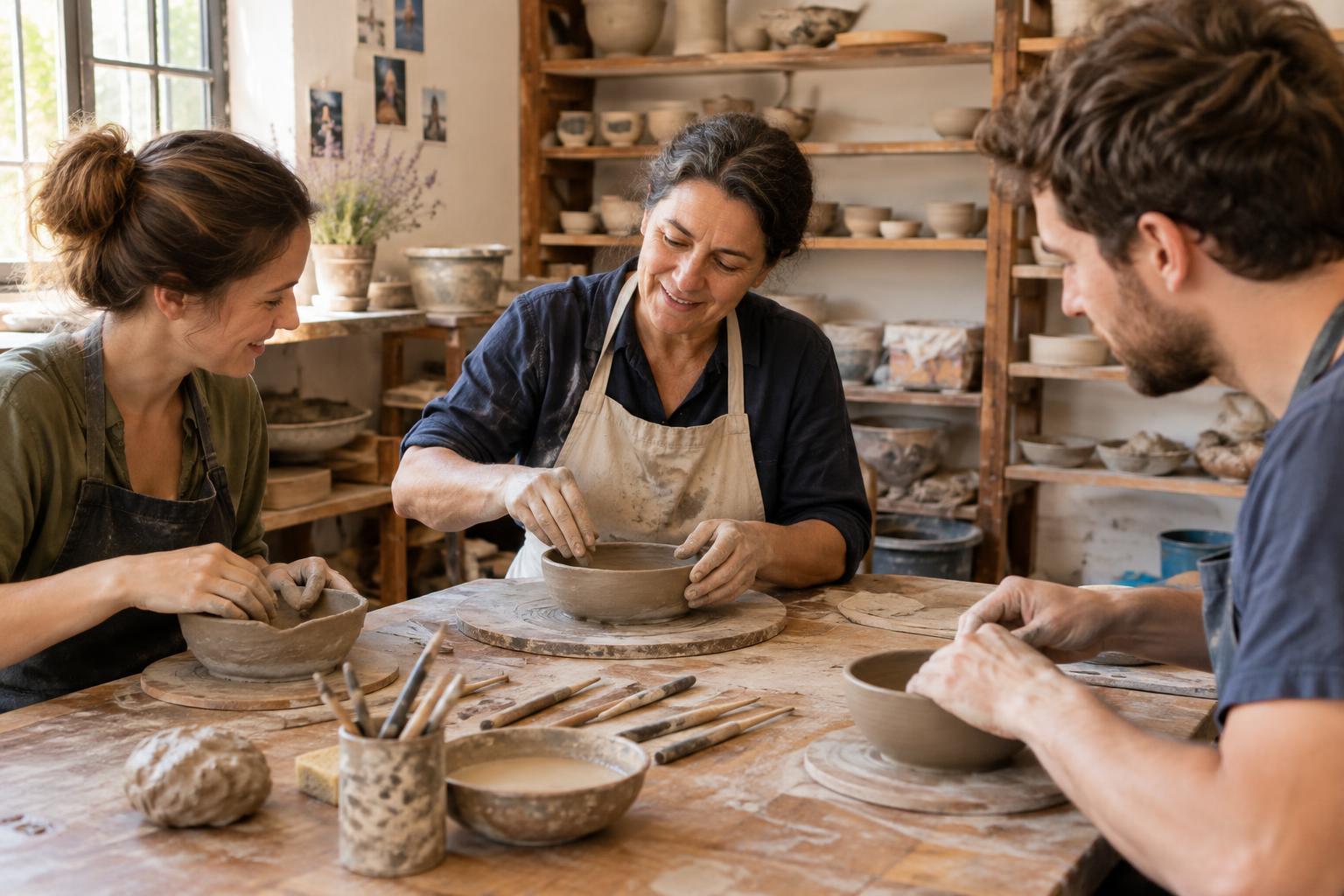
Also consider what the experience asks of you. A museum with clear exhibits may be easy to explore alone, while a complex historic site may make more sense with someone who can explain its context. A public market might reward an unhurried wander; a workshop may require a booking and an instructor. Choose the format to suit the activity rather than making one rule for your whole trip.
When a guided tour earns its place
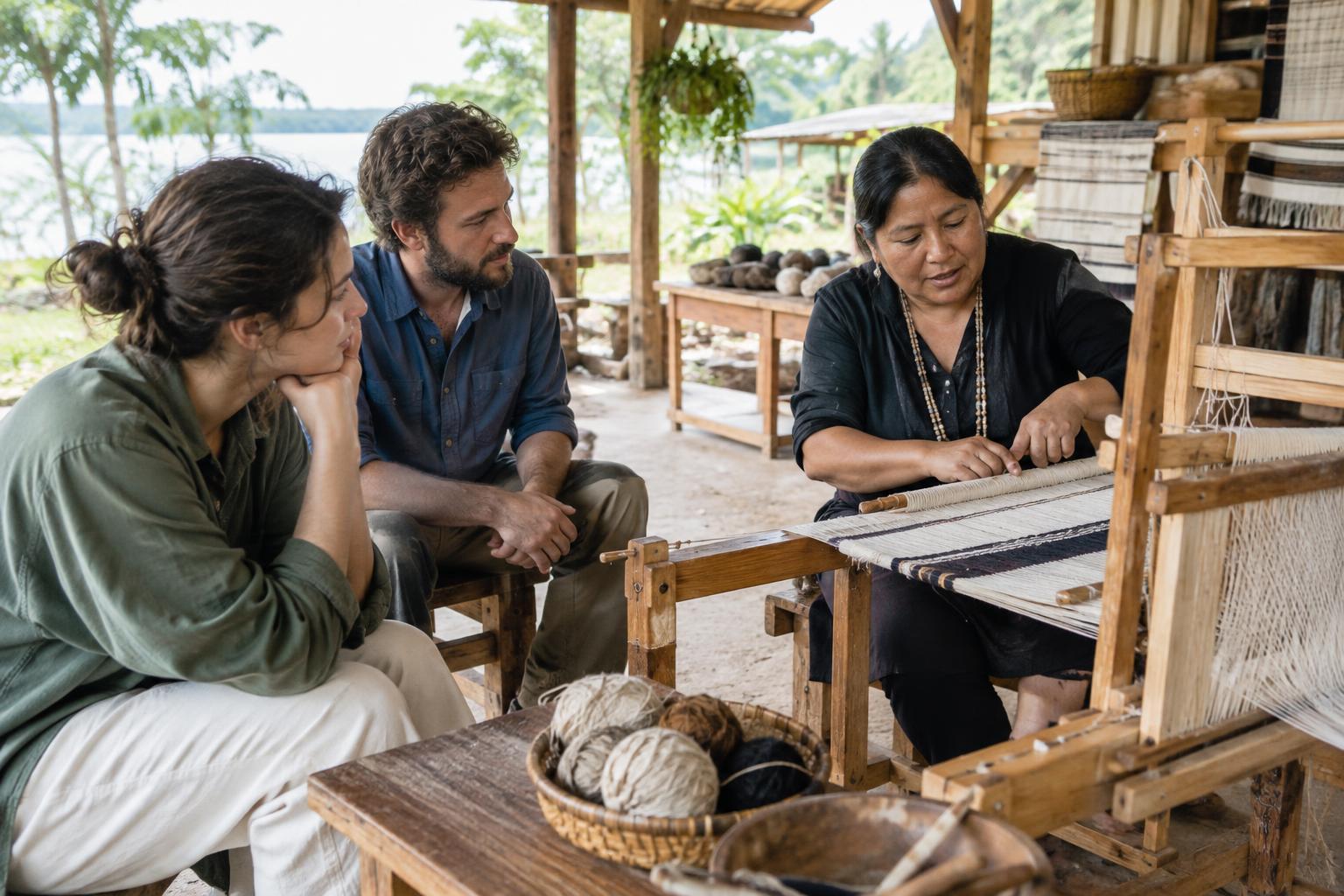
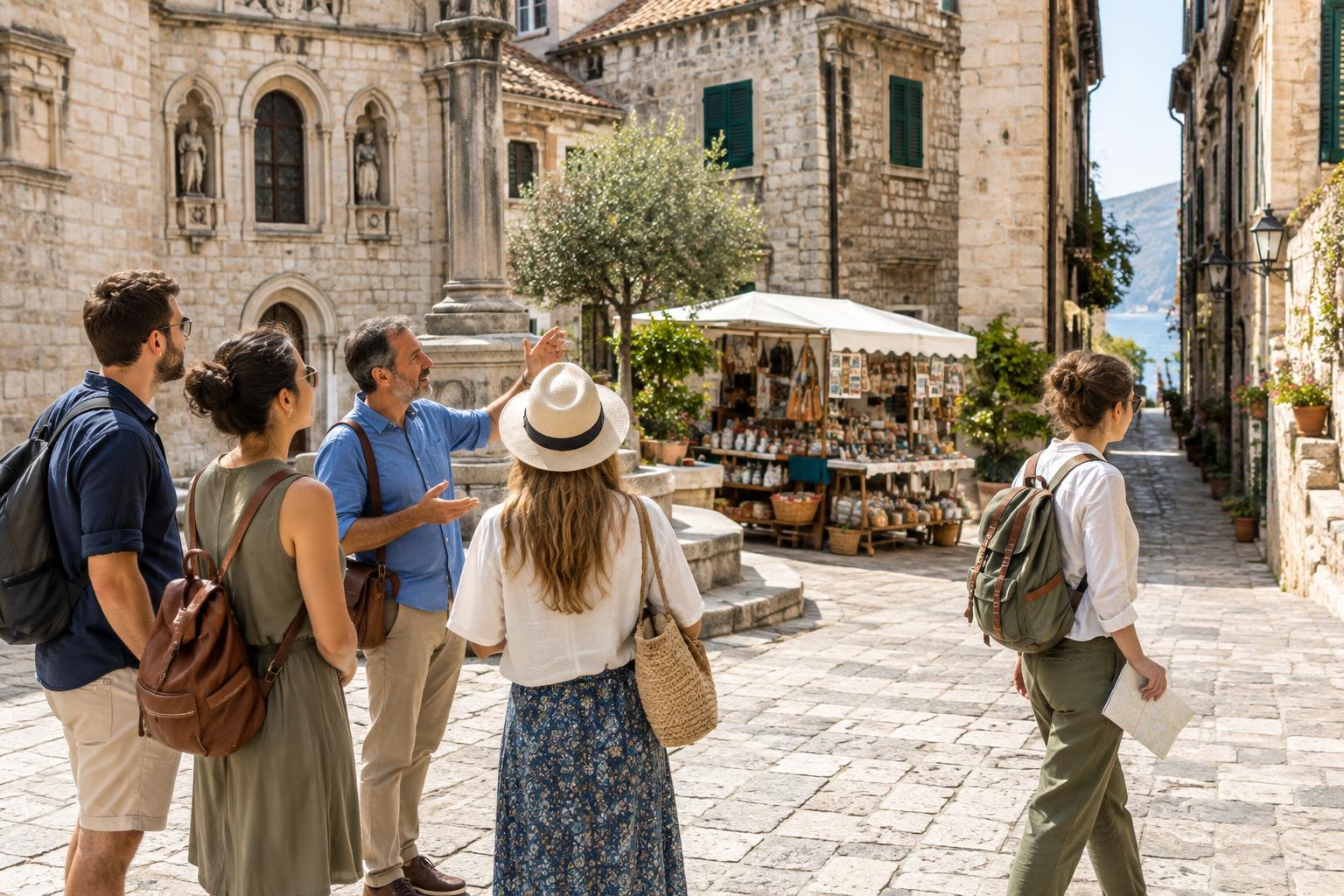
A good guide can connect details you might otherwise miss: why a building matters, how a dish is prepared or how different communities remember an event. Tours can be especially useful when signs are limited, local customs are unfamiliar or travel time is short. They also handle some logistics, such as meeting points, transport or entry arrangements, leaving you more energy to pay attention.
Not every tour offers the same experience. Before booking, check the group size, pace, duration, accessibility information and what is included in the price. Read the description closely: will you mainly listen, visit several stops or participate in an activity? Look for a guide or organization that explains its connection to the subject and treats local people as more than scenery. If your main interest is specific, such as architecture or food traditions, a focused tour may be more satisfying than a broad highlights walk.
Guidance comes with trade-offs. A fixed route may skip what interests you most, and a large group may leave little room for questions. Account for possible extra costs, such as admission, transport or gratuities, rather than comparing only the advertised price.
When independent exploring works better
Going independently gives you control over your route, timing and budget. You can stay longer at an exhibit, take a break when you need one or return to a neighborhood at a quieter hour. This approach suits travelers who enjoy reading ahead, using maps and making decisions as they go. It can also be a better fit when your interests are too narrow or varied for a standard tour.
Independence still benefits from preparation. Check opening hours and entry rules before setting out, and save the addresses of places you want to visit. Learn a little about the setting from museum materials, venue information or other clearly identified sources available to you. Build in time to absorb what you see rather than treating each stop as a box to tick. If language or transport feels challenging, begin with an easy-to-navigate area and keep your first outing modest.
Exploring alone does not mean every space is yours to enter or photograph. Pay attention to signs, ask permission where appropriate and respect places of worship, private homes and ceremonies. If a site requires a guide or advance booking, work within those rules rather than looking for a workaround.
Compare the full cost, not just the ticket
A tour may look expensive beside a self-guided walk, but compare what each option actually includes. Entry fees, transport and equipment can narrow the gap. On the other hand, independent travel can be excellent value if the places you want to see are close together and inexpensive to enter. For either option, allow room in your budget for meals, breaks and unexpected changes.
Think about effort as well as money. Planning an independent day takes time, and navigating it takes attention. A tour can simplify both, though you give up some freedom in return. If you are traveling with others, discuss pace and priorities before booking: a structured three-hour visit may delight one person and exhaust another. The best-value choice is the one that fits your group well enough to enjoy.
Use a mix—and leave room to reconsider
You do not have to commit to one style for an entire destination. Try a guided experience early in your stay to gain context, then revisit places that caught your interest on your own. Or explore independently first and book a focused tour when you find a subject you want to understand better. Leaving some unscheduled time also lets you rest, follow a recommendation or adjust to weather and energy levels.
For each activity, ask three questions: What would a guide help me understand? What freedom would I lose by joining a group? What preparation would I need to do this independently and respectfully? Your answers may change from one place to the next. A considered choice gives you the best chance of coming away with more than photographs: a clearer sense of what you experienced and why it mattered.