Start with what you will need on arrival
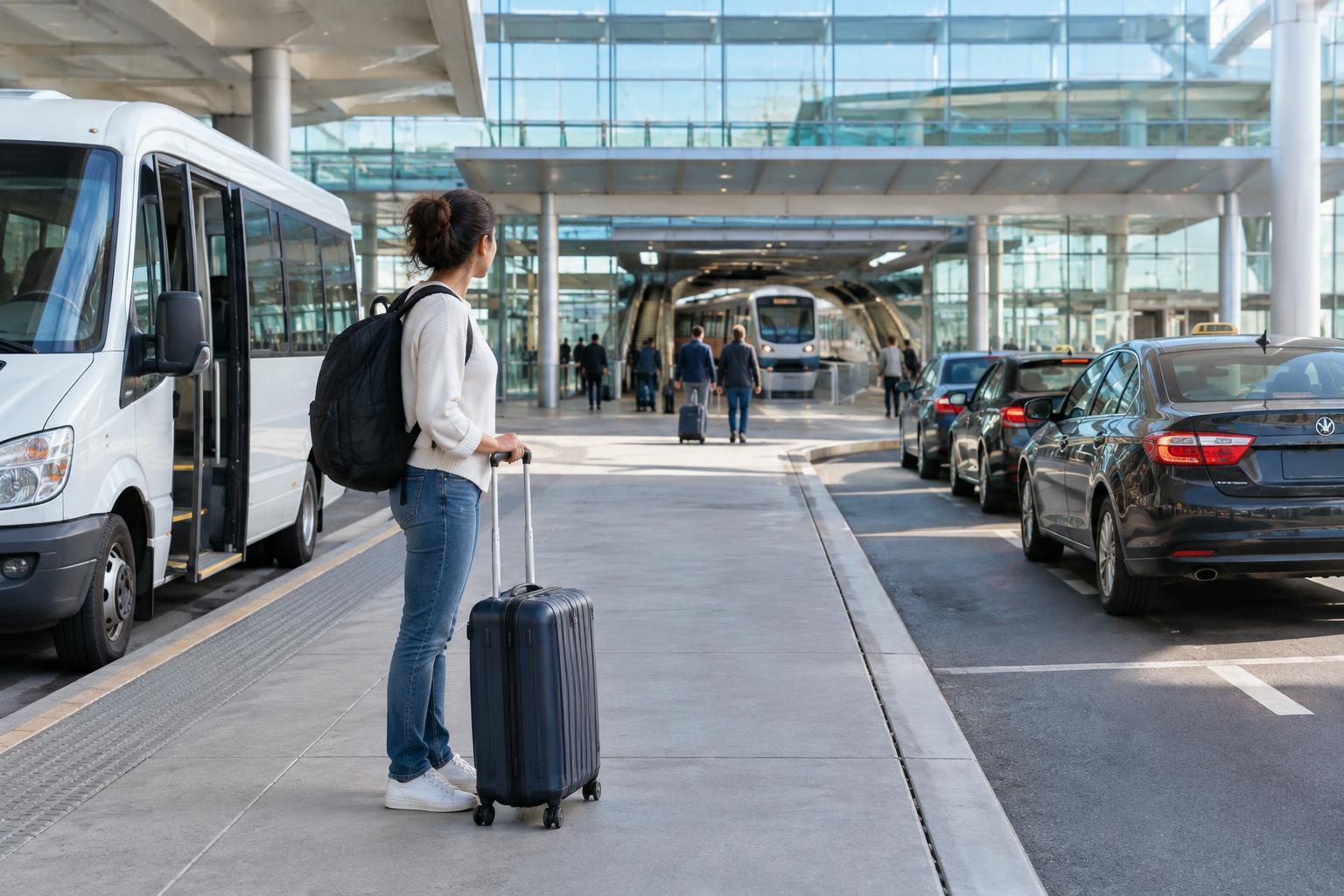
Before choosing where to get local currency, picture your first few hours. Will you take a prepaid transfer, or pay a driver on arrival? Can you use a card for the train? Will you need cash for a small meal, a tip or a local bus? Those answers matter more than finding one supposedly perfect place to exchange money.
Check which currency your destination uses and whether small businesses, transport providers and accommodations are likely to accept cards. Payment habits can vary within a country, so look at the practical details of your route rather than assuming one method will work everywhere. If you expect to need cash immediately, arrange a modest arrival amount. You can decide how to get the rest once you are settled.
Airport exchange counters: convenient, but compare the total
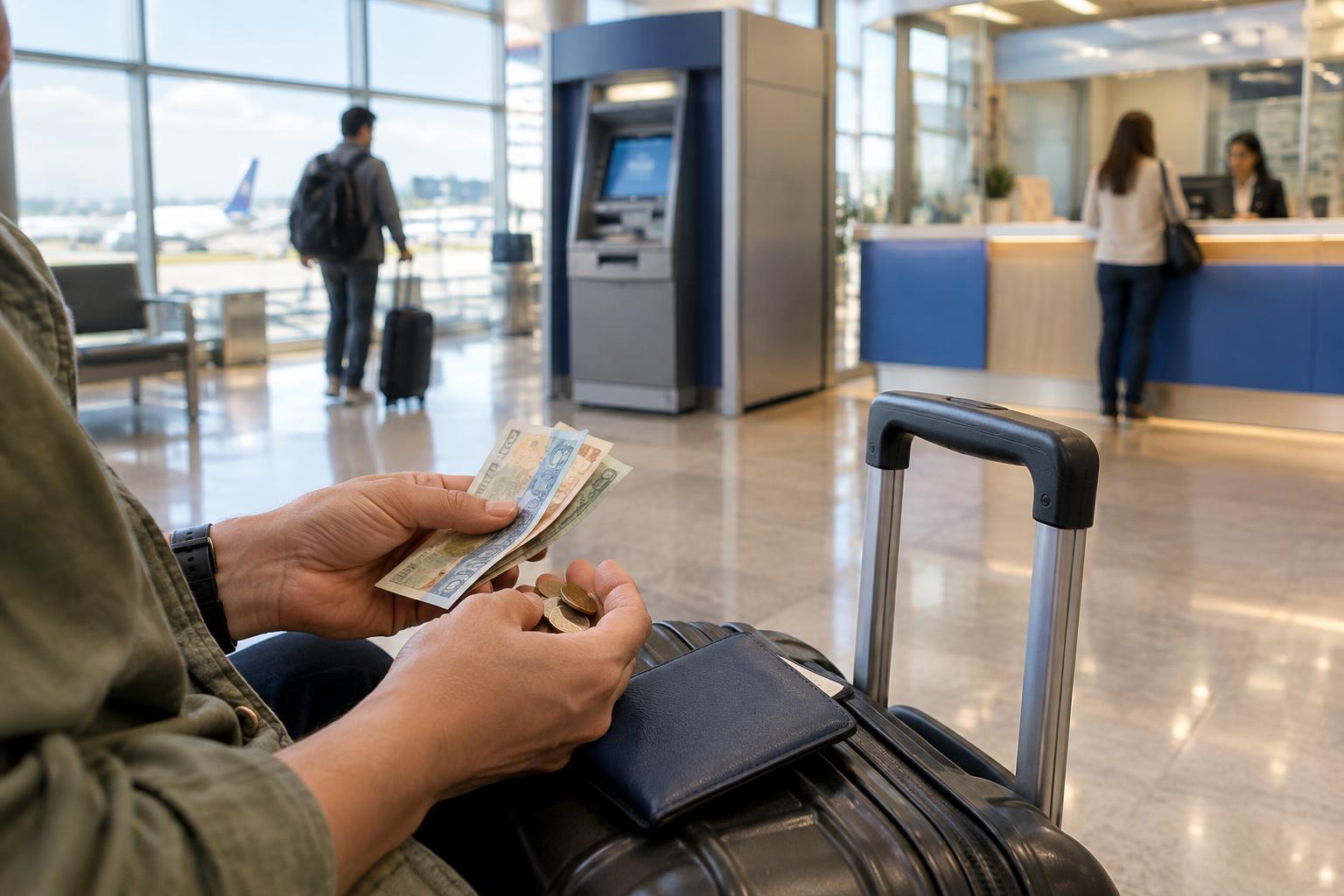
An airport exchange counter is easy to find when you land and may be useful if you cannot access an ATM or need cash before leaving the terminal. The trade-off is that convenience can come at a higher cost. A counter might advertise no commission while offering an exchange rate that gives you fewer units of local currency. Compare the amount you would receive, not just the posted fee.
If the airport counter is your simplest option, exchange enough to cover your first ride and immediate expenses rather than your full trip budget. Keep the receipt until you have counted the cash and confirmed the transaction. Check opening hours if you arrive late, and do not assume every airport will have a counter selling the currency you need.
ATMs: often practical, with a few checks
With a compatible card, an ATM can be a straightforward way to obtain cash in the local currency after arrival. Costs depend on your card issuer and the machine. Your bank may charge for an overseas withdrawal or currency conversion, while the ATM operator may add its own fee. Review your card’s terms before departure and read the ATM screen before accepting a withdrawal.
Some ATMs offer to convert the withdrawal into your home currency on the spot. This is usually called dynamic currency conversion. Choosing to be charged in the local currency generally leaves the conversion to your card network or issuer instead; compare your card’s terms, and do not assume the ATM’s displayed home-currency amount is the better deal. The same choice can appear on card-payment terminals.
Use an ATM in a well-lit, established location when possible, shield your PIN and put the cash away before moving on. If a machine looks damaged or behaves unexpectedly, use another one. Withdraw enough to avoid repeated small fees, but not so much that you are uncomfortable carrying it. A second payment method stored separately can help if your main card is lost, declined or temporarily unavailable.
Ordering cash ahead: useful for a predictable first day
Ordering currency before departure gives you time to prepare and lets you land with cash ready for transport or other immediate purchases. It can be reassuring if your arrival is late or your first stop is outside a city. Banks and currency providers differ in which currencies they stock, how far ahead you must order and what they charge. Compare the total amount of foreign cash you will receive for the amount you pay, including any delivery or pickup charge.
The drawback is that you may buy more than you need. Leftover notes can be inconvenient to spend or exchange back, and the rate for converting them home may differ from the rate you paid. If you order ahead, choose an amount tied to specific early expenses rather than guessing at your entire trip’s cash needs. Ask for smaller denominations if they are available; a large note can be awkward for a small purchase.
Build a simple currency plan
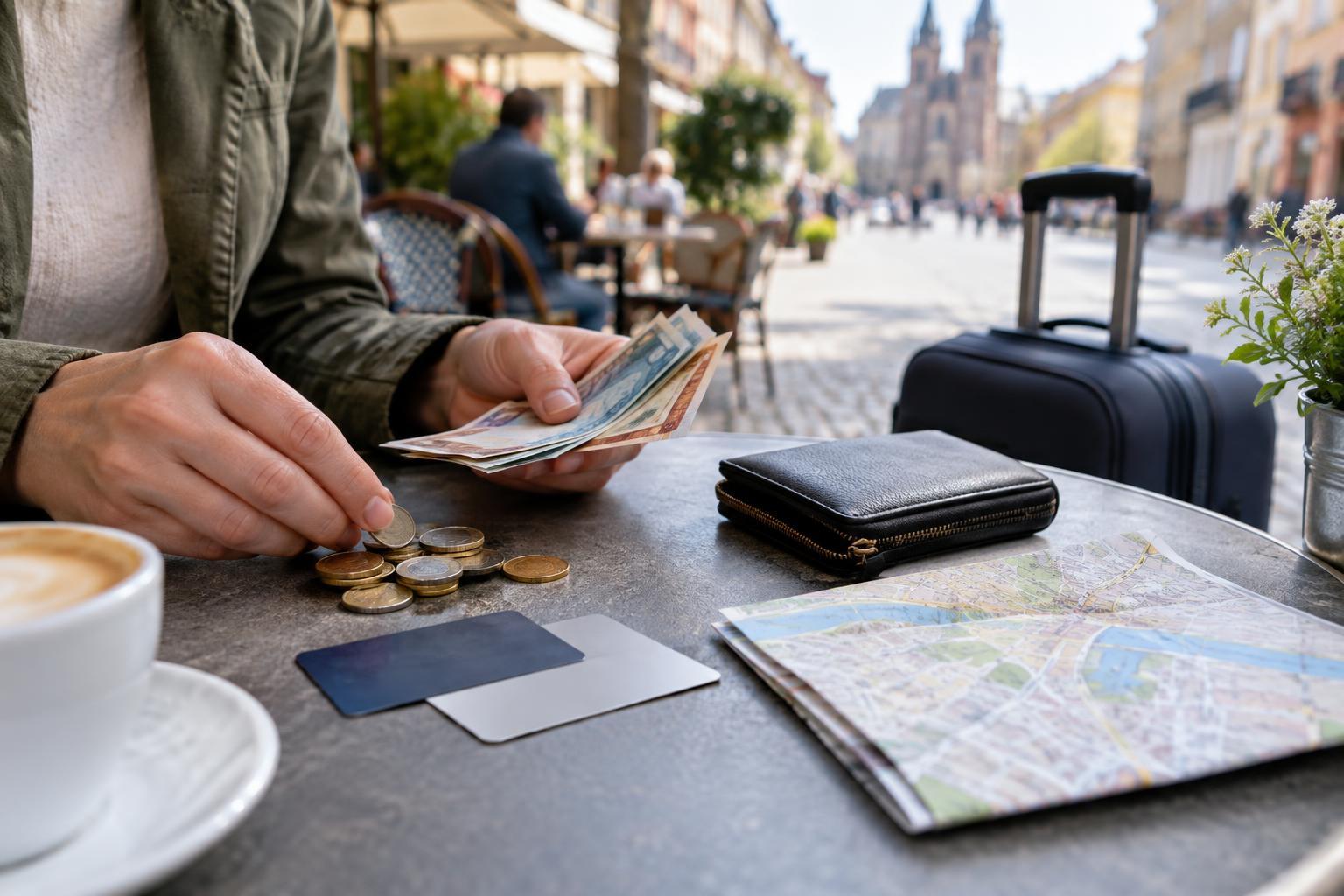
A flexible approach is to arrange a small arrival reserve, use a card where it is accepted and obtain additional cash only when you have a clearer sense of your spending. For one trip, that reserve might come from an advance order; for another, an airport ATM or exchange counter may be simpler. There is no universal cheapest choice because rates, fees, card terms and your cash needs differ.
Before leaving, check that your cards will work abroad, know how to contact your card issuer and confirm your available withdrawal limits. Keep cash and cards in separate places, and save some local currency for the journey out if you expect to pay for transport. The goal is not to predict every expense precisely. It is to arrive able to pay for the essentials without carrying more cash than you need.