Look for a destination, not just a dark point on a map
A dark-sky trip begins with a simple goal: get far enough from artificial light to see more of the night sky. But the darkest-looking place is not automatically the best place to visit. A remote viewpoint may have difficult road access, no nearby lodging or limited places where visitors are allowed after sunset. A more practical destination offers both promising skies and a comfortable way to experience them.
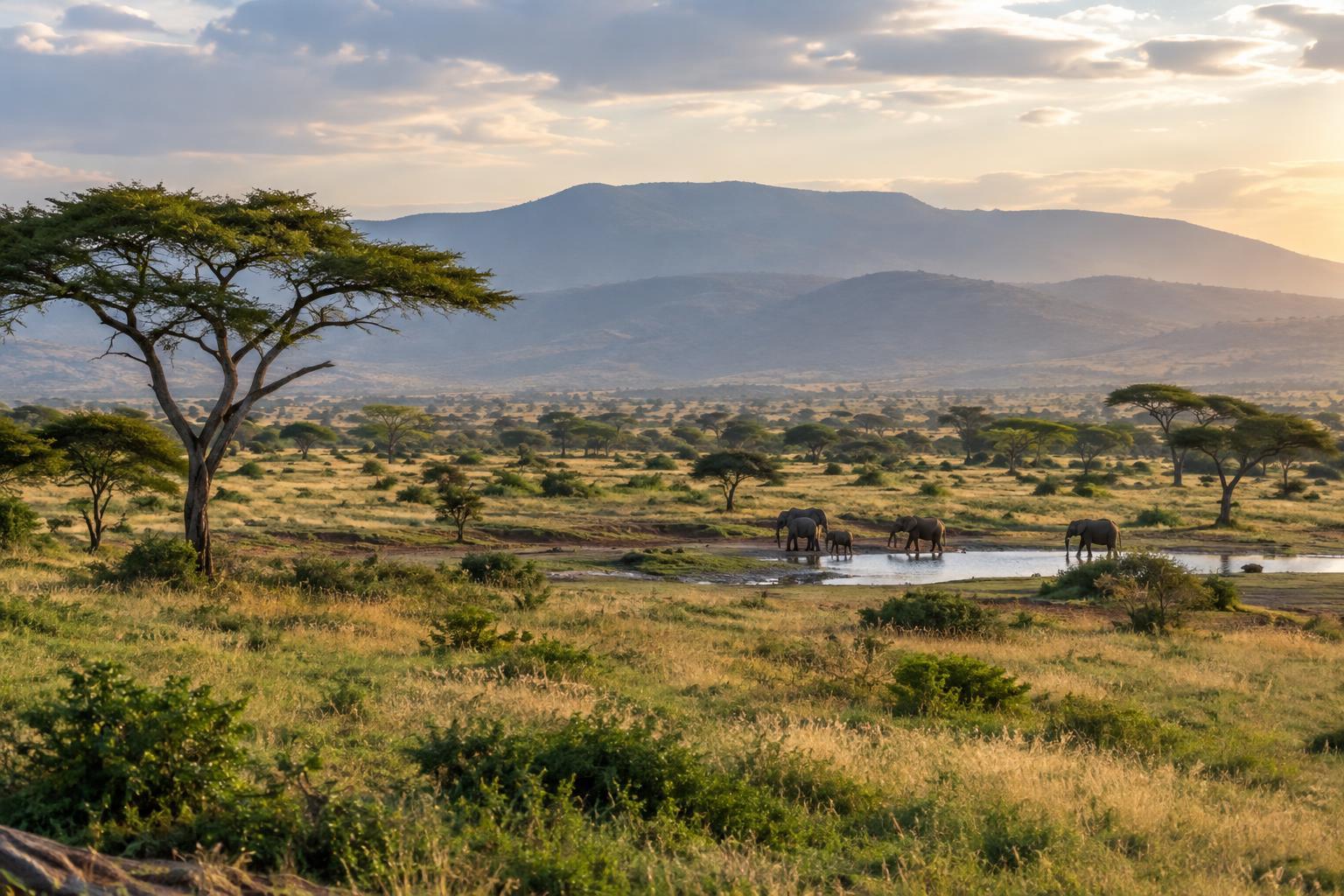
Start with a region you would enjoy in daylight, such as a desert landscape, mountain area, island or rural park. Then narrow your search to specific viewing sites. Protected areas and designated dark-sky places can be useful starting points, but a designation does not promise clear weather or unrestricted nighttime access. Check the rules for the exact location you intend to use rather than assuming that every trail, beach or overlook stays open.
Compare darkness with the conditions that make stars visible
Light-pollution maps can help you identify broad areas away from city glow. Treat their colors as a guide, not a guarantee: a nearby town, a brightly lit property or an obstructed horizon can change the view from one spot to another. Satellite images, park maps and descriptions of established viewpoints can help you understand where you might actually stand. If possible, choose a site with a clear view in several directions and a safe, straightforward route back.
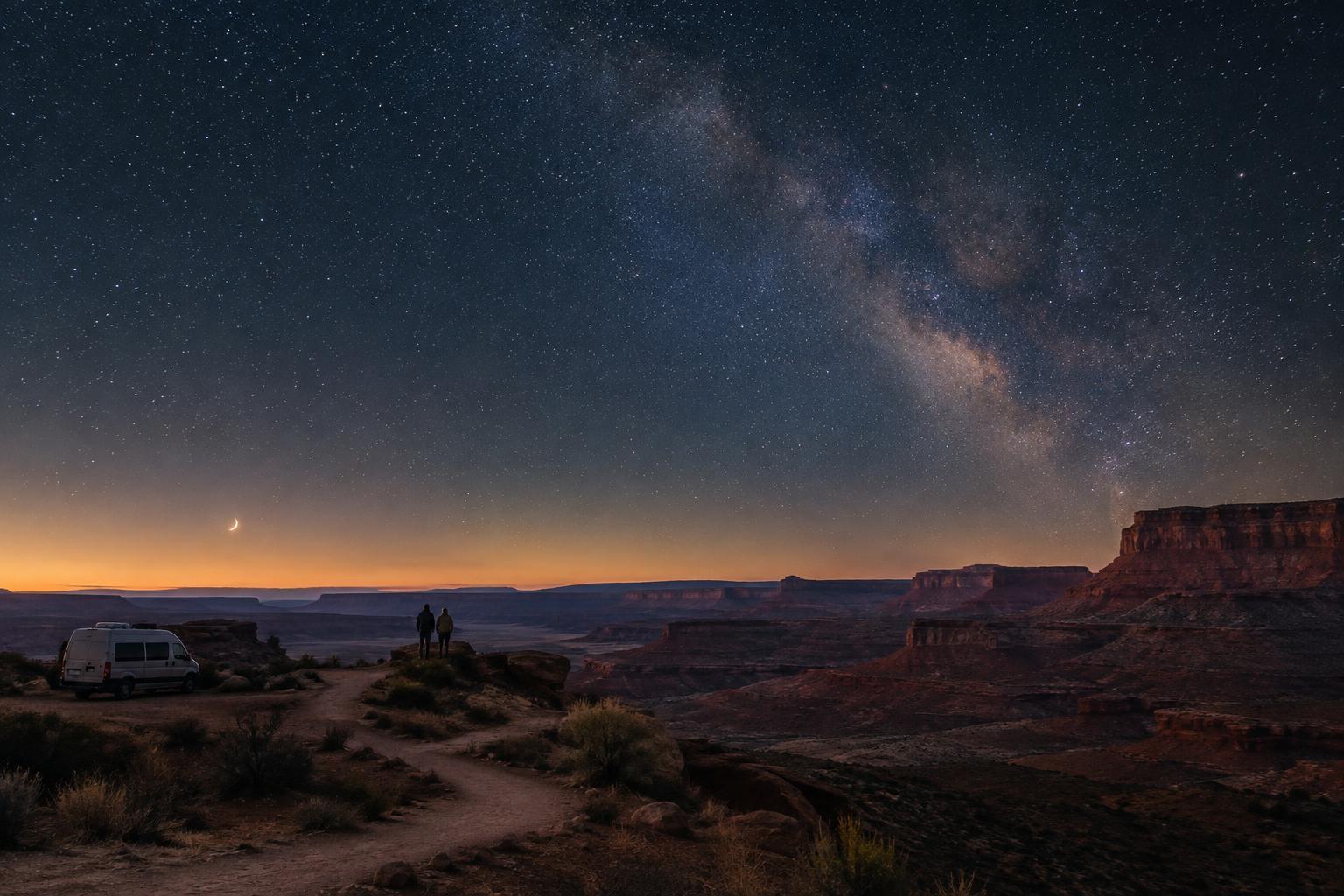
Moonlight matters just as much as distance from a city. If you hope to see faint stars or the Milky Way, consider traveling near a new moon and checking when the moon rises and sets. A bright moon can still make for a lovely evening, especially if you want to see a landscape under moonlight. Cloud cover, haze, smoke and storms can also affect visibility, so check typical seasonal conditions before booking and short-range forecasts as the trip approaches. In some regions, higher elevation or a drier season may improve your chances, but local weather is never certain.
Choose a trip that still works if clouds roll in
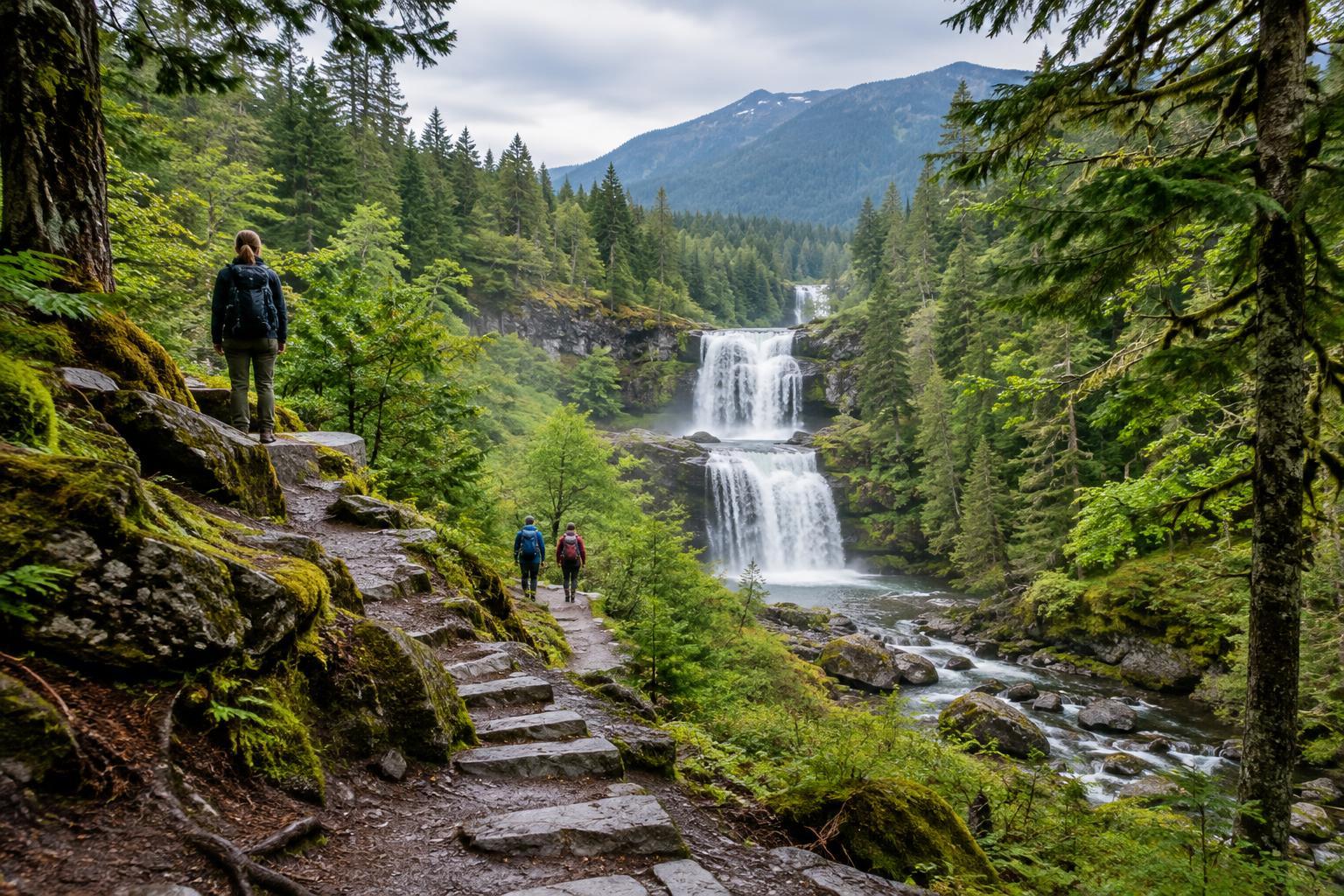
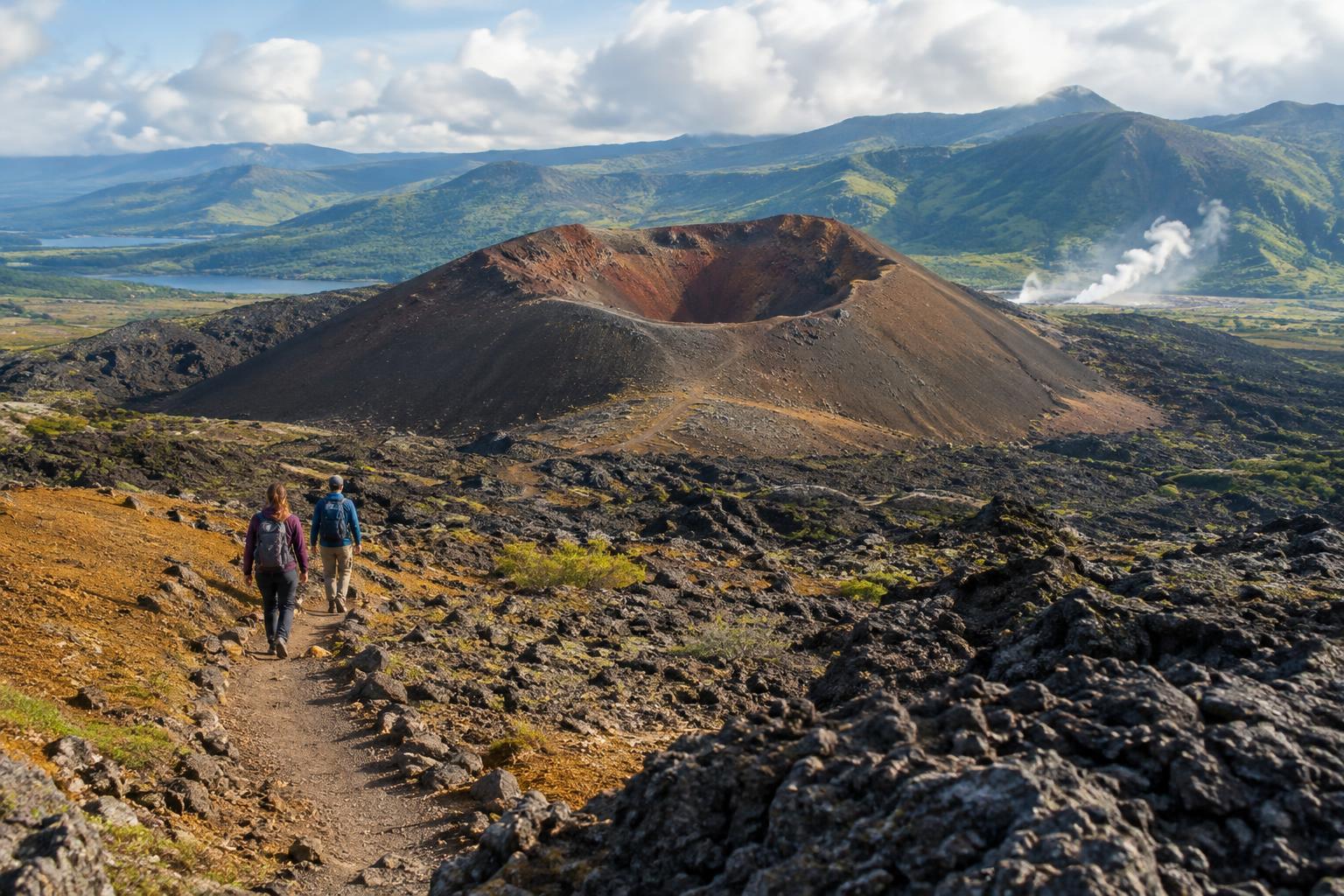
The most rewarding stargazing destination is often one with a strong daytime plan. Look for walks, scenery, museums, local food or cultural experiences that genuinely interest you. That way, the journey remains worthwhile if your first night is overcast. If the night sky is the main reason for traveling, staying for more than one night gives you another opportunity without requiring a frantic change of plans.
Build the trip around your budget and comfort level. A campsite may put you close to a viewing area, while a room in a nearby town may offer better rest and an easier start the next morning. Compare the full journey, including transport after dark, park entry rules and the distance between lodging and your chosen viewpoint. An organized astronomy evening can be appealing if you prefer not to navigate unfamiliar roads at night; check what is included and whether the event goes ahead in poor weather.
Plan the viewing site before sunset
Visit or research your viewing spot in daylight. Identify where to park, which paths are open, whether the ground is uneven and how you will return without disturbing other visitors. Download maps in case reception is weak, tell someone your plan if you are heading somewhere remote, and allow more travel time than you would during the day. Follow local rules on gates, camping, fires and wildlife; a quiet roadside pullout is not necessarily a permitted place to stop.
Bring warm layers even if the day was pleasant, along with water, a charged phone and a light you can use safely. A red-light setting can help preserve your night vision and reduce glare for others. You do not need a telescope to enjoy the sky: start by letting your eyes adjust to the darkness, then look for bright stars, constellations and the broad structure of the sky. Binoculars can add detail without much extra luggage, but an unhurried hour outside is often more valuable than complicated gear.
Set expectations for the night you will actually see
Promotional night-sky photographs often use long exposures that collect more light than your eyes can see at once. The real view may be subtler, especially when the horizon is not perfectly dark. Give yourself time away from headlights and phone screens, and avoid judging the site in the first few minutes. If you are traveling with others, agree in advance on how long you want to stay and what conditions would make you head back.
A worthwhile dark-sky trip is not measured only by a perfect photograph or a particular celestial sight. A place that is easy to reach, enjoyable by day and peaceful after sunset can make the experience feel special even when the sky is less than ideal. Choose the destination for the whole journey, then let a clear night be its highlight.