Packing for every possible version of the trip
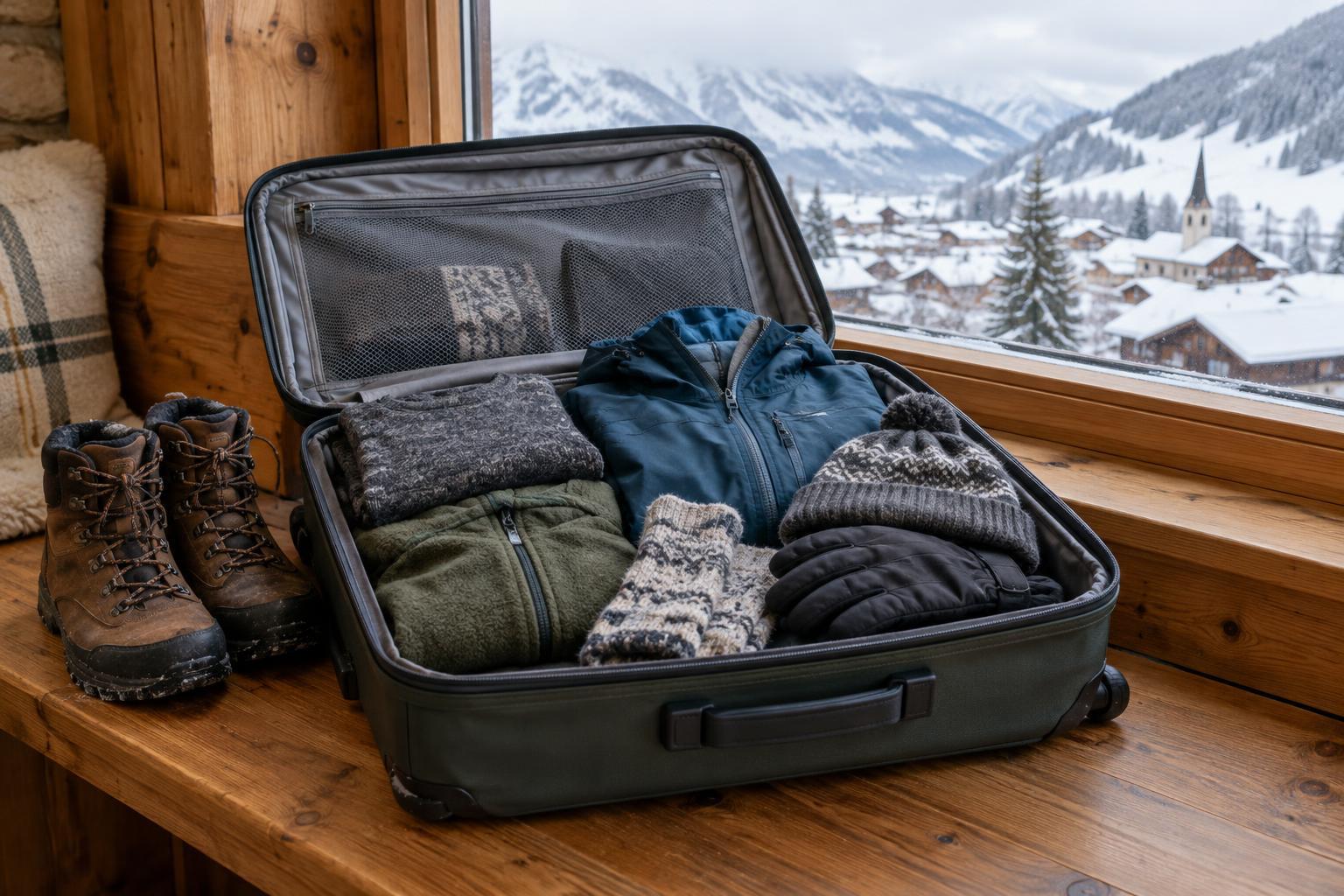
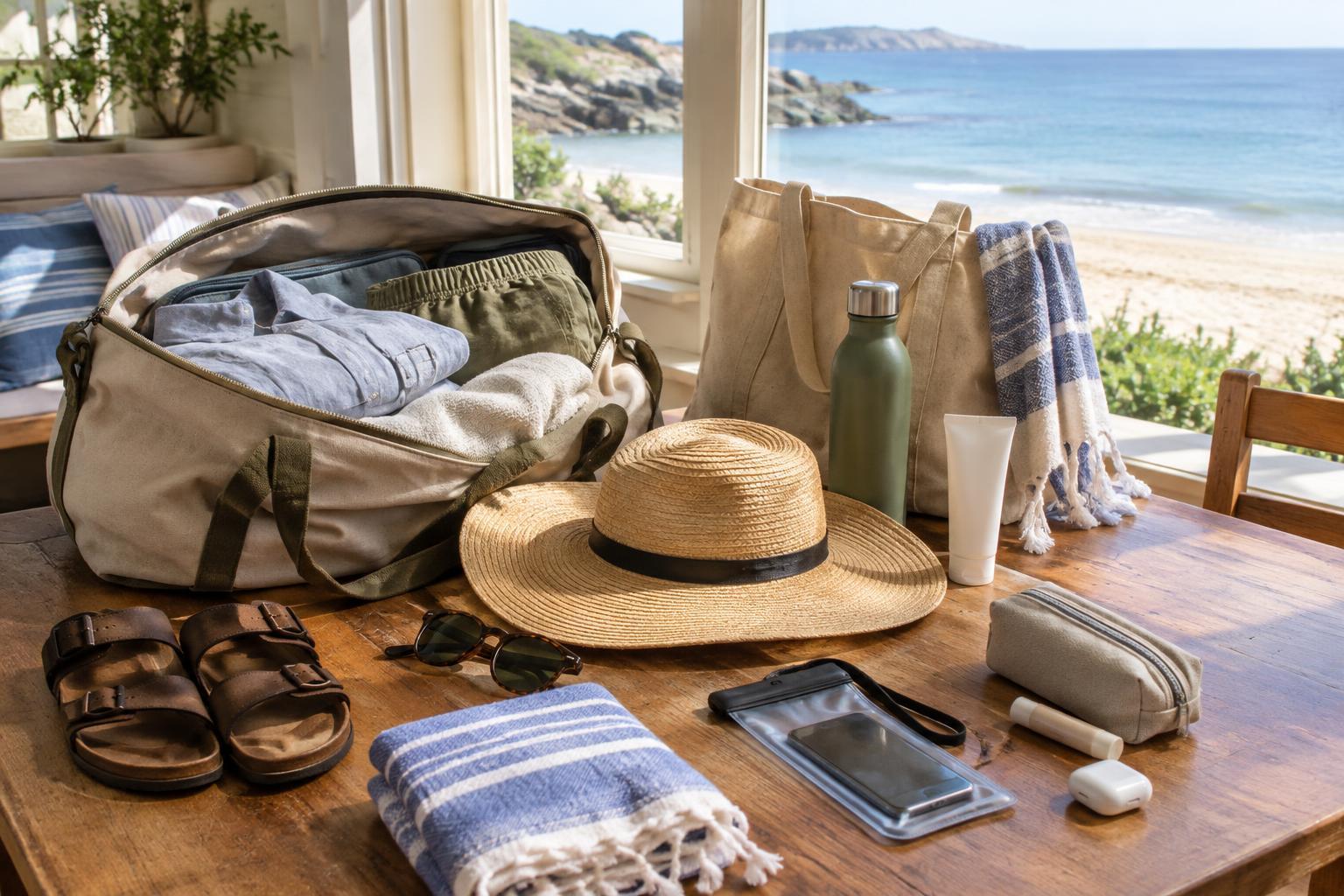
A packing list can grow quickly when it tries to cover every invitation, weather shift and spontaneous activity you can imagine. A city break might inspire hiking gear, formal clothes and beachwear, even when none of those plans is on the itinerary. Each item sounds reasonable on its own; together, they create a bag designed for several different trips.
Start with what you know: where you will sleep, how you will get around and which activities you are likely to do. Then add a small margin for uncertainty, such as one adaptable layer or an outfit that can be dressed up. If an activity remains only a remote possibility, find out whether you could rent or buy what it requires before carrying specialized gear for the entire trip.
Counting outfits instead of wearable combinations
Packing a separate outfit for every day often creates unnecessary weight, especially when trousers, sweaters or outer layers can be worn more than once. The same problem appears when every top needs its own matching shoes or jacket. Clothes that work only with one other item offer less flexibility than pieces that can be combined in several ways.
Choose a small group of clothes suited to the expected weather and your activities, then check that most pieces work together. Think in terms of the time between opportunities to wash clothes, rather than the full length of the trip. Laundry may be easy in some places and inconvenient in others, so make a realistic plan before relying on it. Leave enough variety to feel comfortable without packing a fresh version of everything.
Adding bulky backups without a clear purpose
Shoes are a common source of hidden weight. A spare pair is useful if it meets a different need, but several pairs with nearly identical uses can take up a large share of the bag. Wear the bulkiest suitable pair in transit, and test any shoes you plan to walk in before departure. A pair saved for a single uncertain occasion may not justify the space it takes.
Apply the same test to jackets, towels, books and other backups: what specific situation will this item solve, and how likely is that situation? A compact rain layer may be more useful than a second heavy coat, depending on conditions. Check what your accommodation or planned activities provide before packing duplicates. Keep essentials and hard-to-replace items; question extras that are merely reassuring.
Bringing full-size toiletries and too many devices
Bathroom supplies are easy to underestimate because each container feels small. Together, full-size bottles can add considerable weight and create a leak risk. Pack amounts that match the trip, using secure travel-size containers where appropriate. If you expect to replace something on the road, consider whether that product is likely to be available and whether shopping for it would be convenient. Keep any necessities you cannot easily replace.
Electronics deserve a similar review. A camera, tablet, laptop, headphones and their separate chargers may all be useful at home, but not all may be useful on this trip. Decide which tasks you actually expect to do, then check whether one device or compatible charging setup covers more than one. Do not discard a cable or adapter until you have confirmed what your chosen devices need.
Mistaking organization for a lighter bag
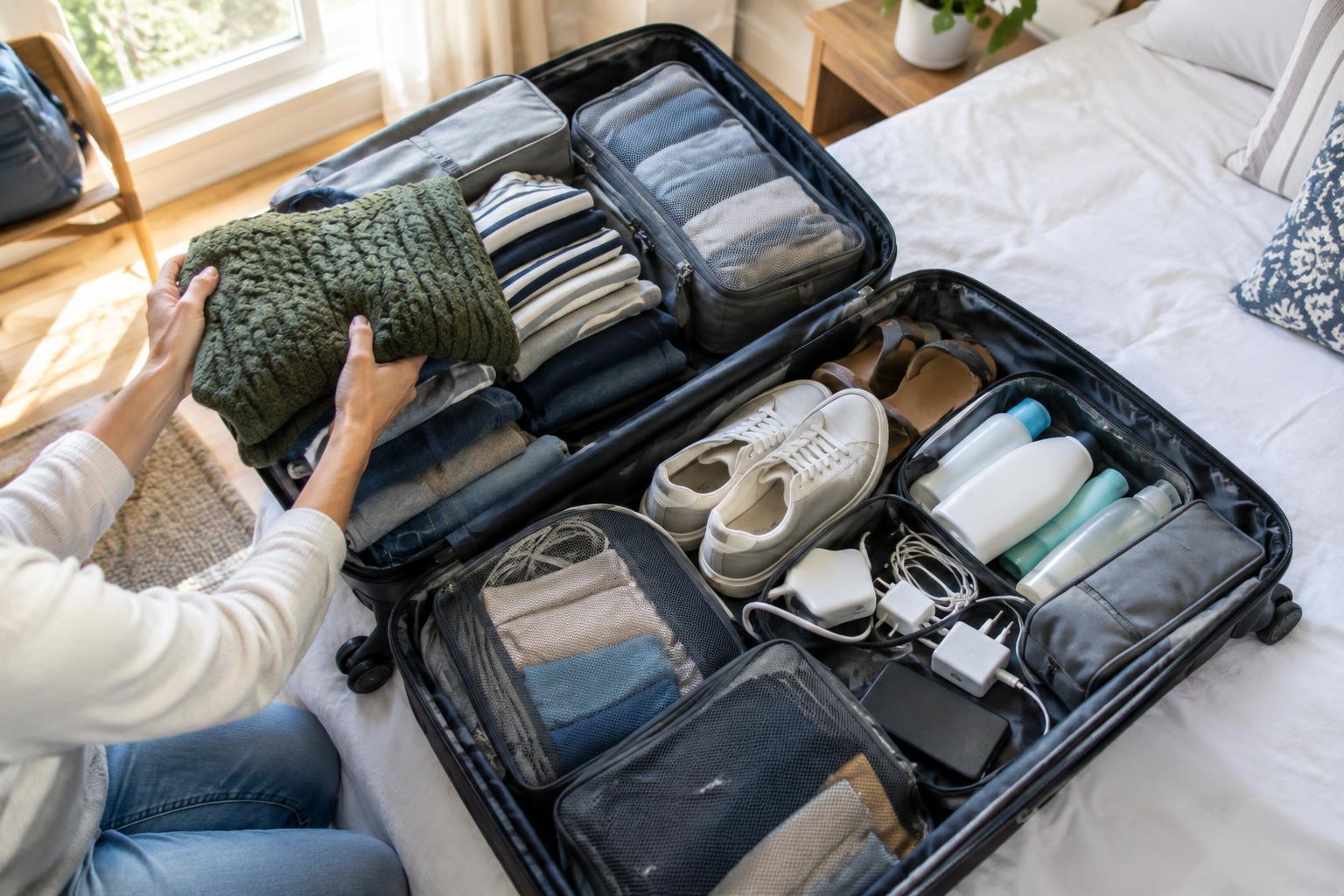
Packing cubes, pouches and cases can make belongings easier to find, but they do not reduce the weight of the contents. Too many organizers can add bulk and hide duplicates. Use them where they solve a real problem, such as separating small items or containing laundry, rather than assigning a pouch to every category. The same principle applies to a large suitcase: spare capacity can invite additions that have no clear job.
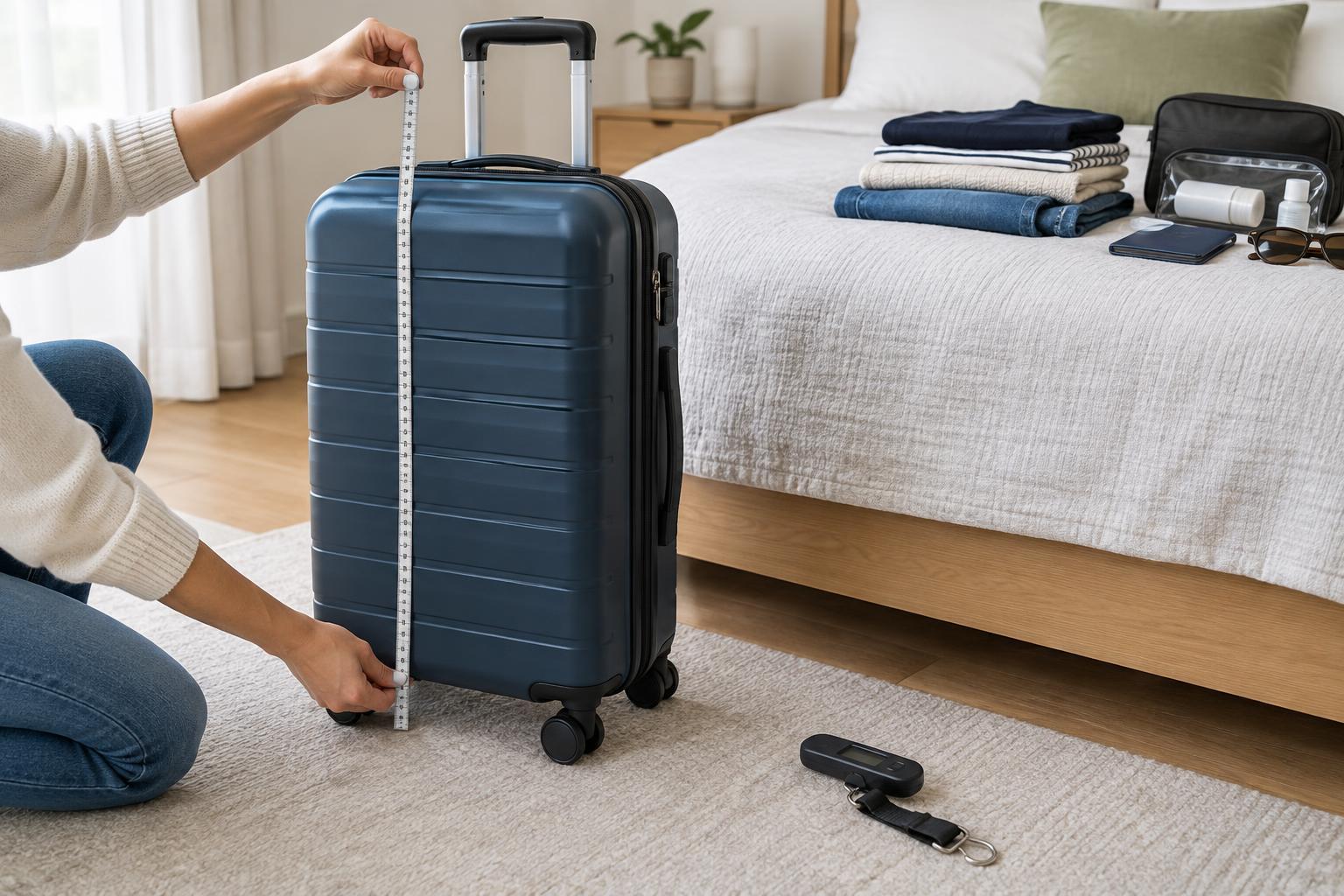
Before leaving, pack the bag fully and carry it for a few minutes, including up stairs if that reflects your plans. Remove items you cannot connect to a likely activity or practical need, then check the bag against any transport limits that apply to your journey. Leave a little room for food, small purchases or layers you take off in transit. The aim is not the lightest possible bag; it is a bag whose weight pays its way.