Prepare for context, not a list of rules
Cultural travel is not a test you have to pass perfectly. Customs can vary by region, community, setting, and individual preference. A gesture that feels ordinary at a hotel may be unwelcome at a place of worship. Before a trip, learn the basics most relevant to your plans: how people commonly greet one another, whether certain spaces have dress expectations, and when photography may be restricted. Treat what you learn as a starting point rather than a rule that applies to everyone.
One useful habit is to look for cues when you arrive. Notice signs at entrances, watch how other visitors behave, and ask staff or a host when you are unsure. A simple question such as “Is it okay to take pictures here?” is often more helpful than trying to guess. If the answer differs from what you expected, follow the guidance you receive without turning the moment into a debate.
When a greeting or phrase lands awkwardly
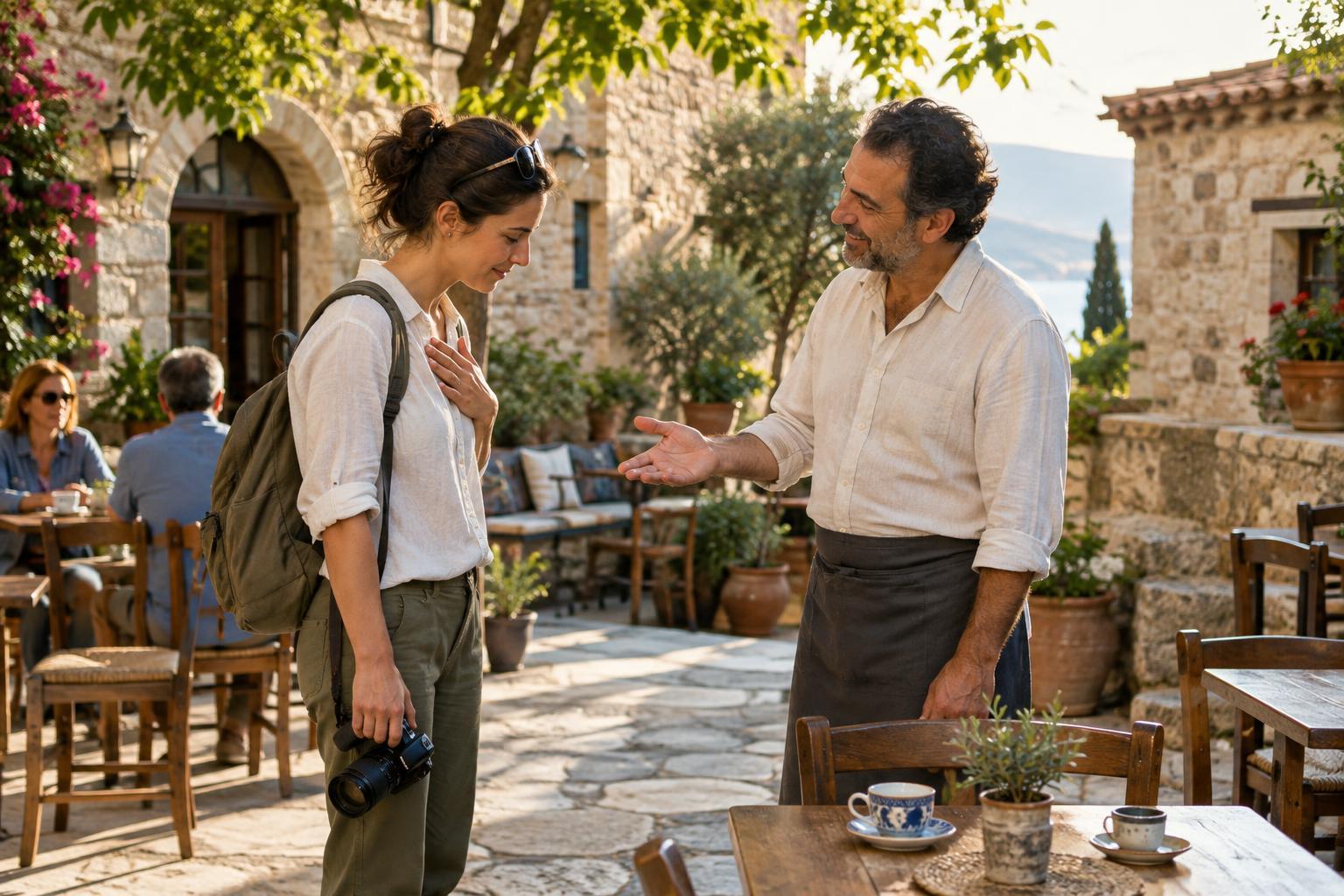
Using a local phrase can be a warm way to begin an interaction, but pronunciation, formality, and context may be harder to judge than a phrasebook suggests. You might address someone too casually or use a gesture that does not mean what you intended. If the other person seems confused, pause rather than repeating yourself more loudly. Try a plain explanation: “Sorry, I meant to say hello,” or “I’m still learning.” Then let the other person guide the exchange.
The same approach helps if you assume someone speaks a particular language and find out they do not. Switch to a language you both understand if possible, or use short questions and a translation tool with care. Speak to the person, not just to your phone or a companion. You do not need a long account of your intentions; a brief apology, followed by a change in approach, usually keeps the interaction moving.
Photos, clothing, and shared spaces
A striking scene can make it tempting to reach for a camera before considering who is in the frame. People are not part of the scenery, and permission matters especially for close-up portraits, ceremonies, private property, and moments that seem personal. If someone objects to a photo, stop taking pictures. If you have already taken one, offer to delete it and do so if asked. Avoid arguing that photography is allowed in the wider area; the objection may be about that particular moment.
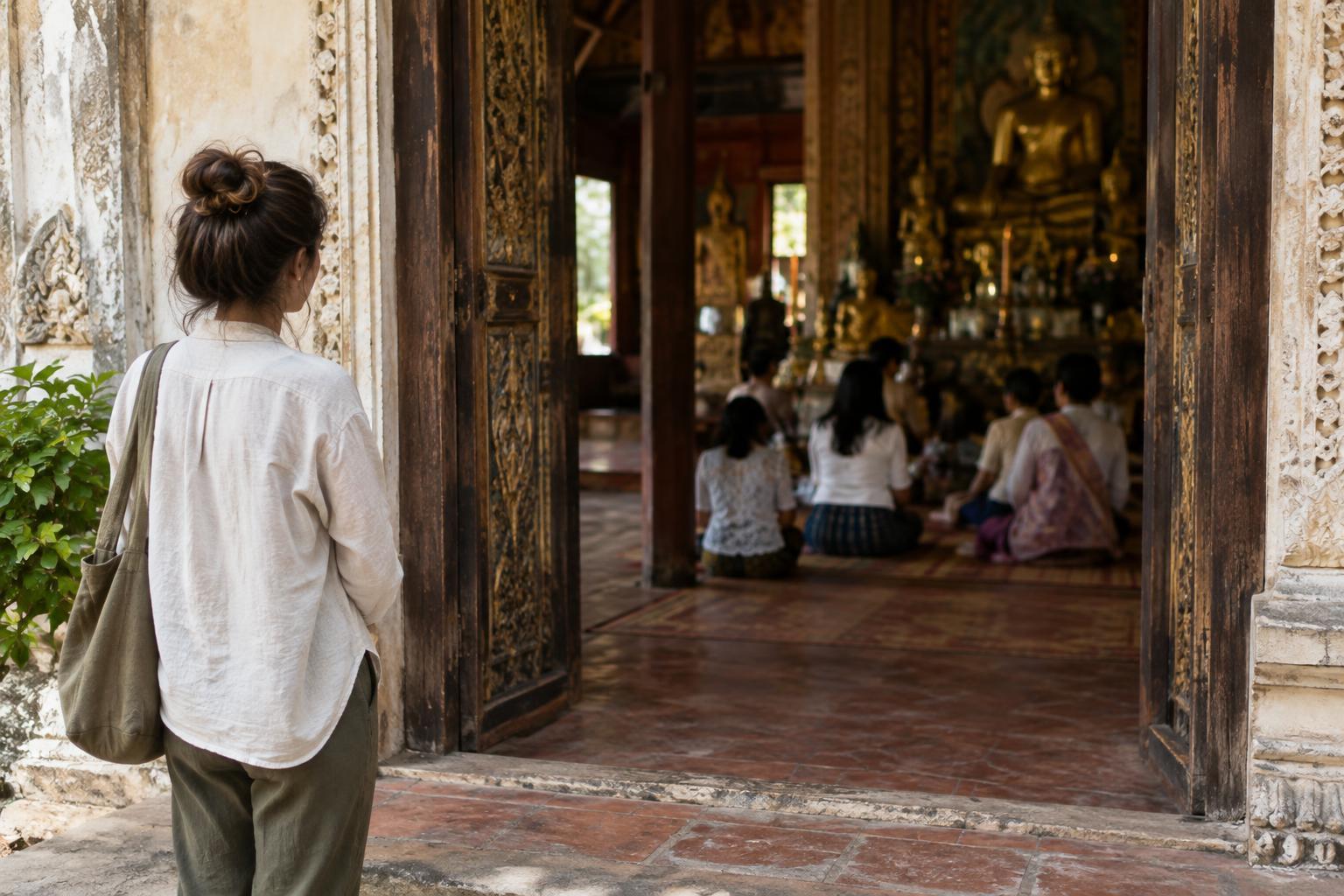
Clothing expectations can also be easy to miss when a day of sightseeing includes an unplanned visit to a religious or community space. Check any posted guidance before entering. A light layer in your day bag can help you adjust, but it will not fit every situation. If you are told your clothing is unsuitable, thank the person, make the requested change if you can, or visit another time. Respecting the boundary matters more than completing your original plan.
Dining and hospitality without making assumptions
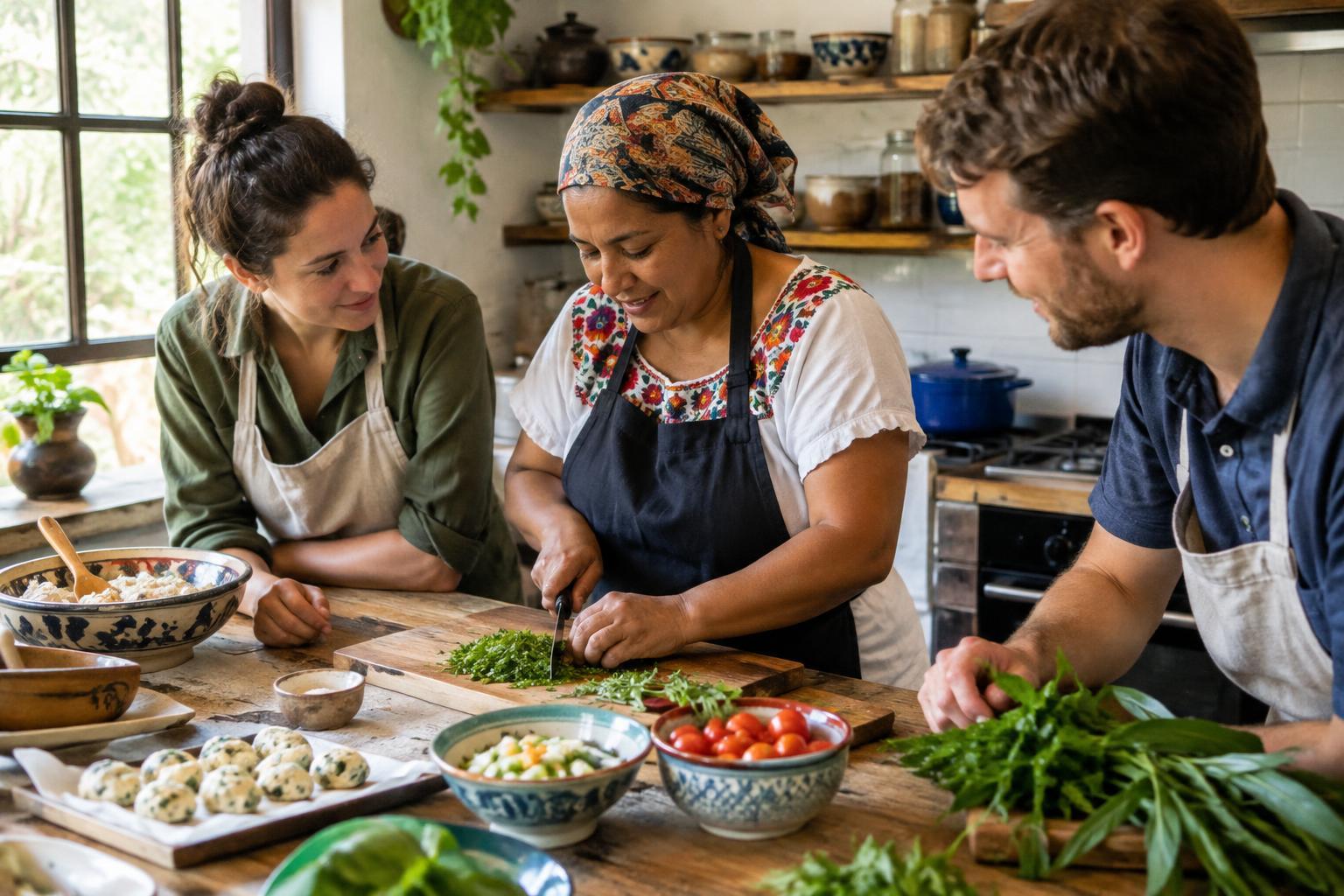
Meals bring their own small misunderstandings: you may start eating before others, handle shared food in a way that surprises your hosts, or decline an offer too abruptly. Rather than relying on a supposed universal dining rule, take a moment to observe and ask. If you realize you have made a misstep, a calm “Sorry, I didn’t realize” leaves room for someone to explain. You can then follow their lead without making everyone stop to reassure you.
You can be respectful while still stating your needs. If you cannot eat something, explain briefly and appreciatively instead of forcing yourself to accept it. In a market or at a small business, likewise, do not assume that bargaining or sampling is expected. Ask about the price or the usual process first. A friendly exchange does not require you to perform a custom you do not understand; curiosity and clear communication are better guides.
A graceful recovery is brief and practical
When you suspect you have caused discomfort, first stop the action. Listen to what the person says, apologize without explaining at length why you thought it was acceptable, and correct what you can. That may mean stepping back, putting away your camera, changing your route, or giving someone space. If you are unsure what to do, ask one focused question: “Would you prefer that I leave this area?” Accept the answer even if it disrupts your plans.
Afterward, make a note for yourself about what happened and adjust the rest of your trip. You need not treat one interaction as proof of what an entire culture believes, nor ask the person affected to become your teacher. The goal is not to avoid every awkward moment. It is to approach people as individuals, pay attention to the place you are in, and respond thoughtfully when you get something wrong.