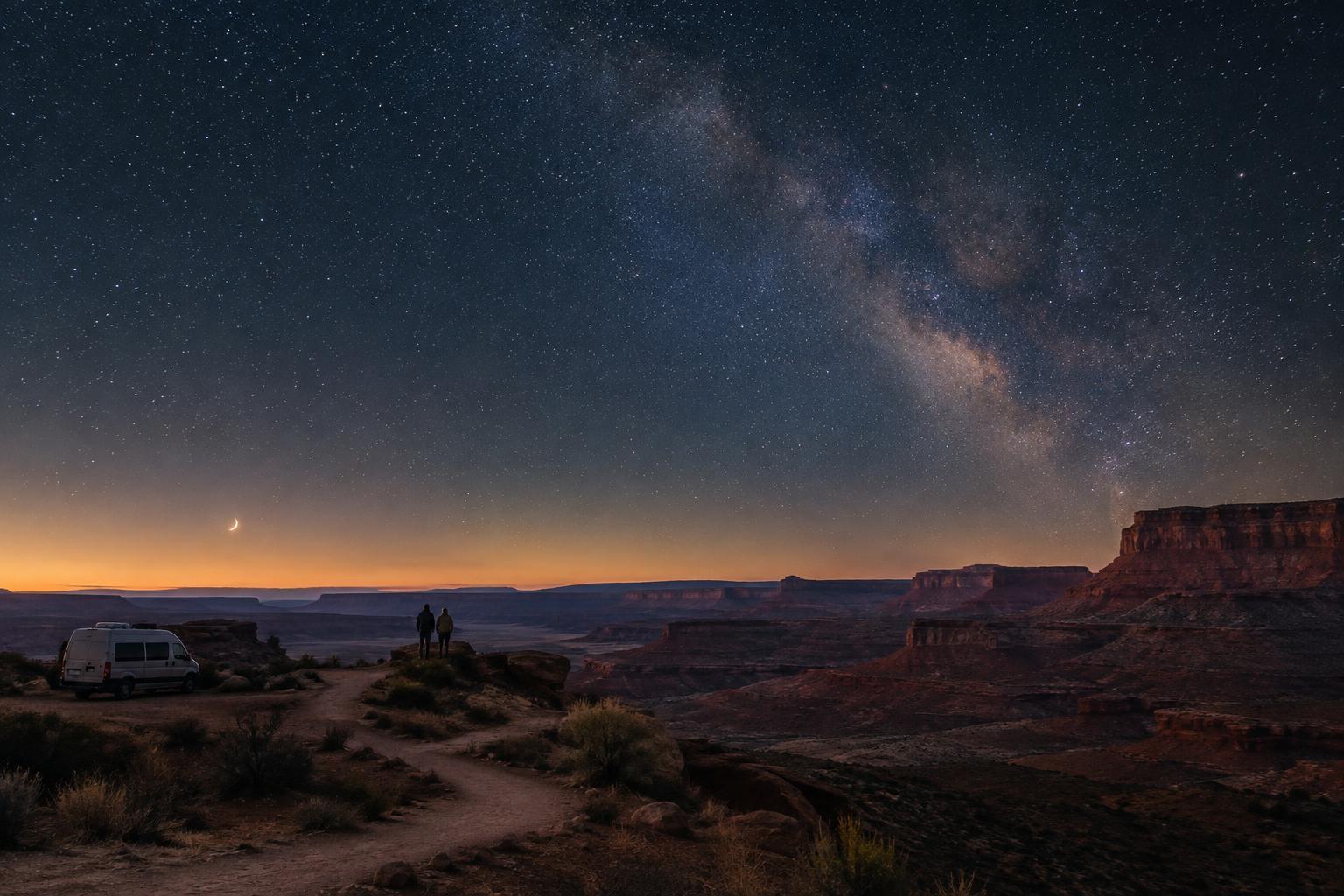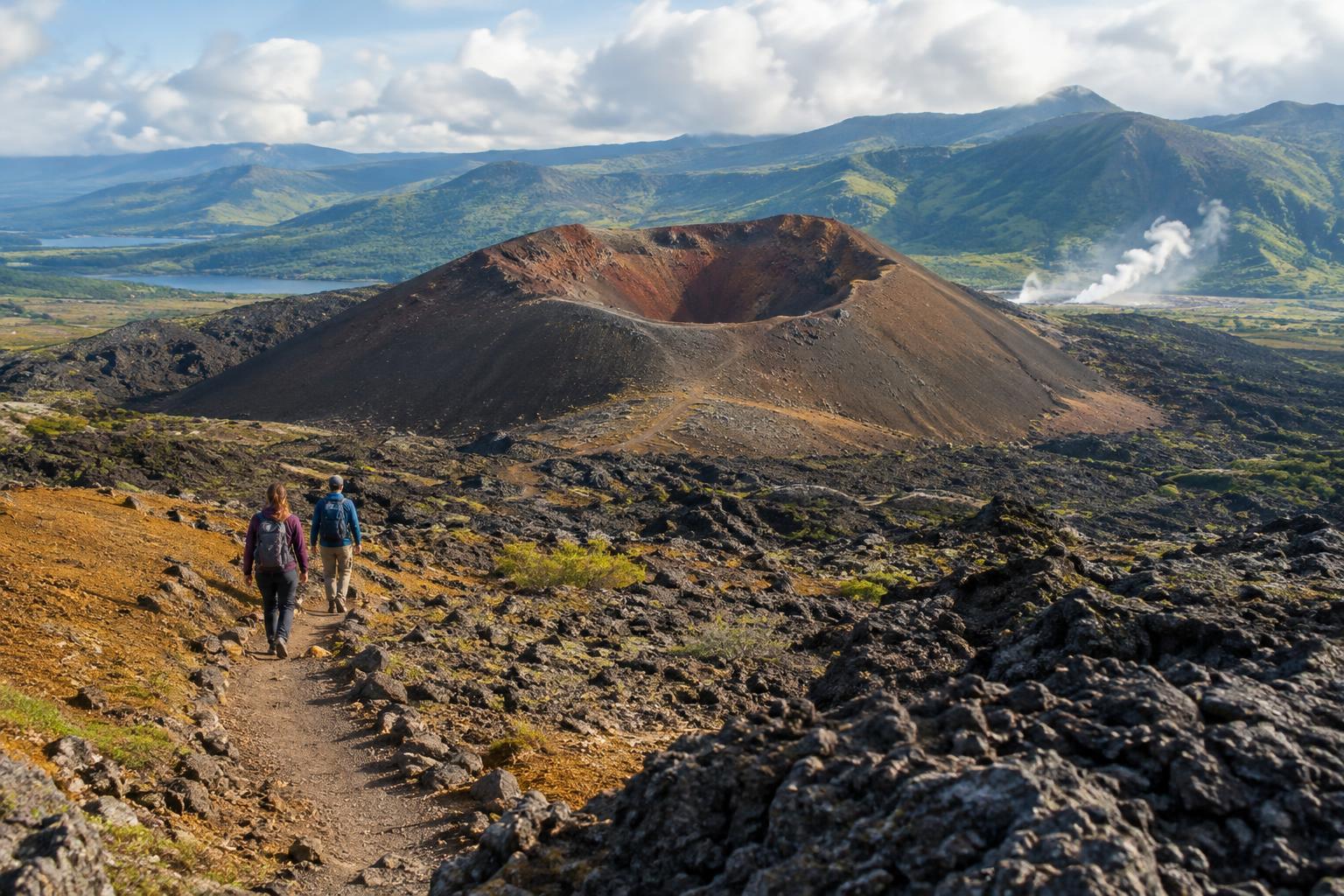
Start with the experience, not just the animal
It is tempting to choose a wildlife destination from a photograph of one remarkable animal. A better starting point is to ask what kind of day you want to have. Would you enjoy scanning a wide landscape from a vehicle, walking slowly through a forest, watching birds from a hide, or waiting on a boat? The setting shapes the trip even when the animal on your wish list never appears.
Make a short list of species or behaviors you would be excited to see, then add the experiences that matter to you: quiet time outdoors, varied scenery, photography, or learning from a local guide. Separate essentials from bonuses. If you would still enjoy the habitat and its more common wildlife, the destination is a stronger choice than one that depends on a single rare encounter.
Match the habitat to your viewing style
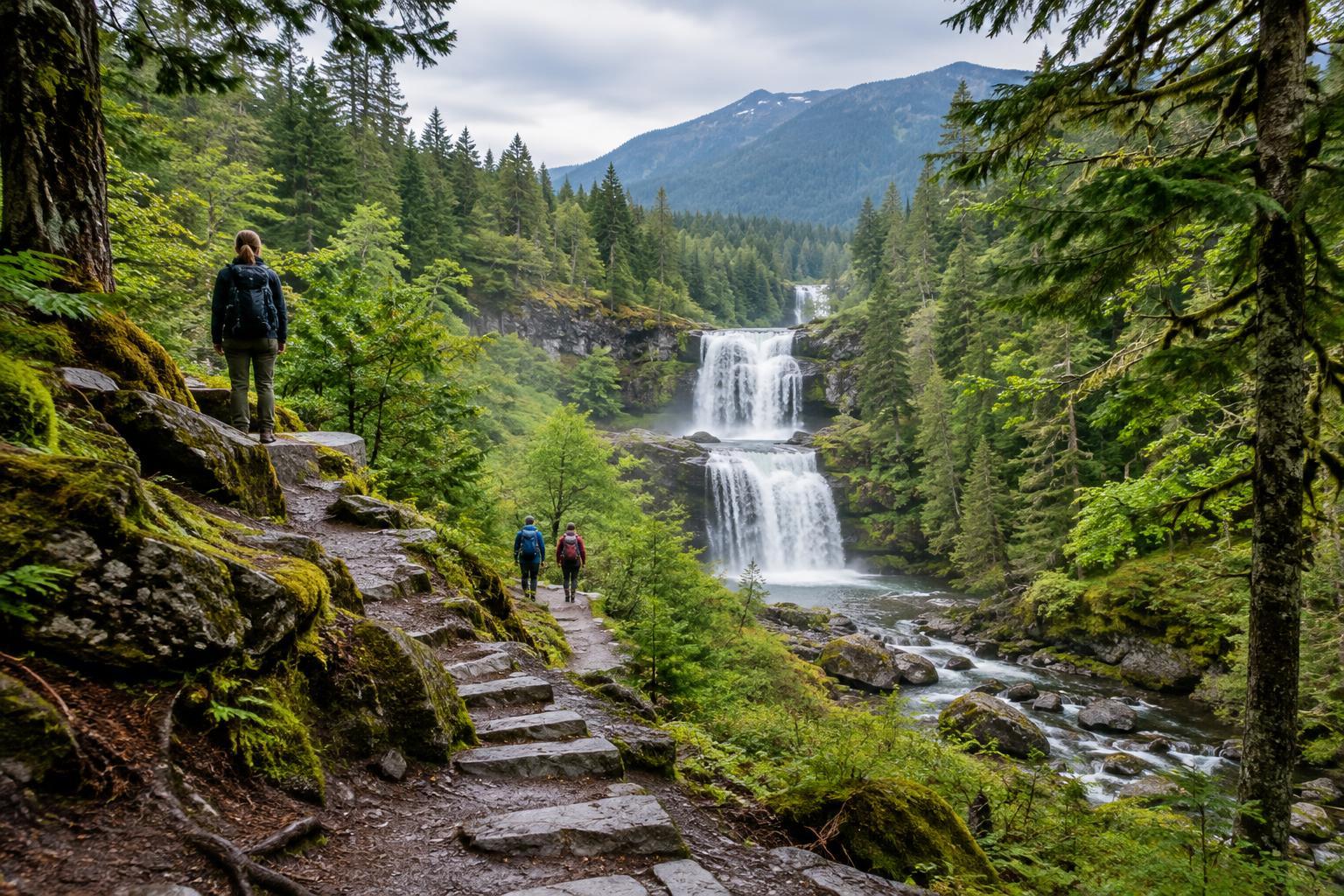
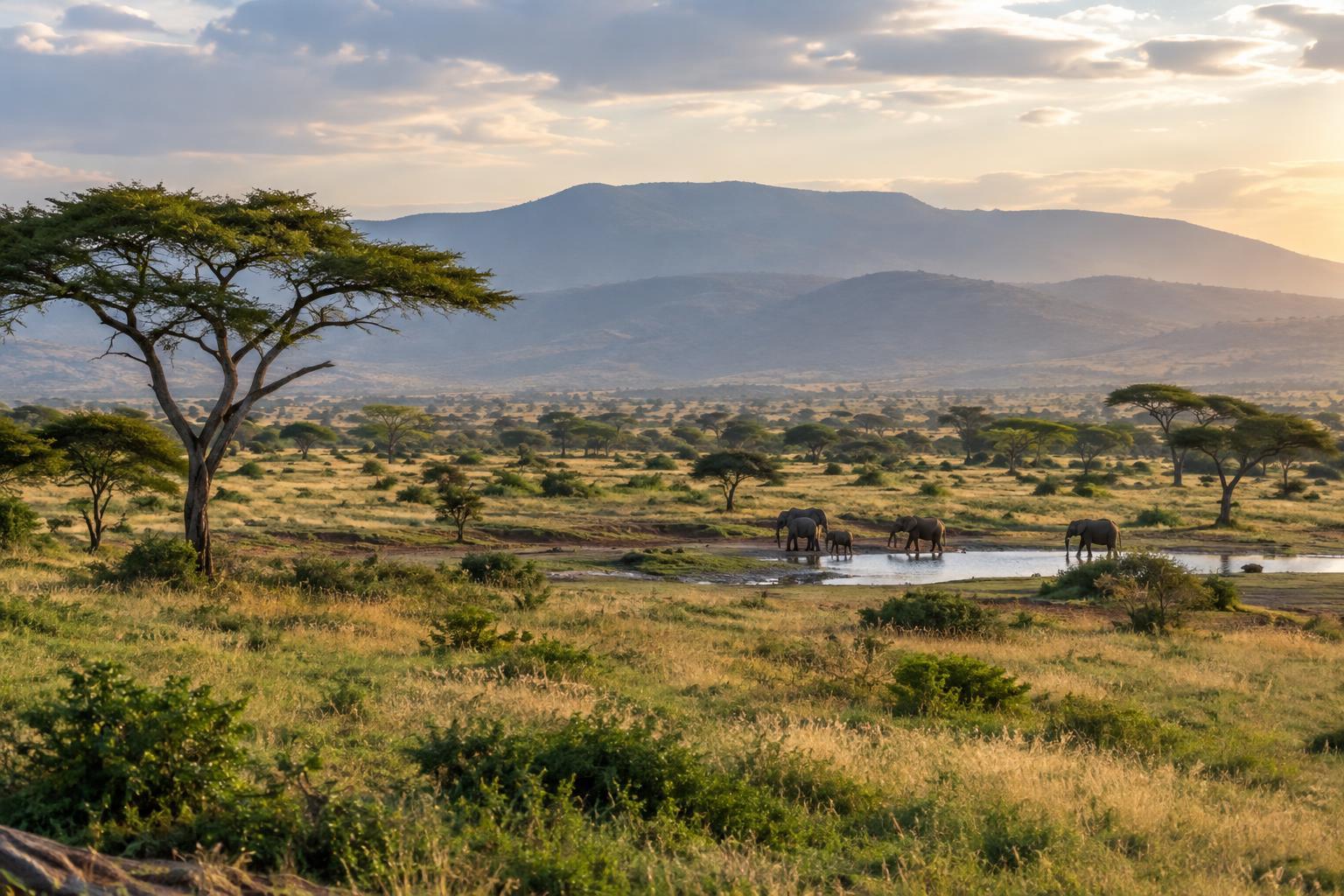
Different habitats offer different kinds of visibility. Open grassland can make distant movement easier to spot, while dense forest often rewards patience and attention to sounds or tracks. Wetlands may provide concentrated birdlife but require comfort with water, insects or early starts. Coastal and marine trips can offer a completely different perspective, though time on a boat will not suit everyone.
Look beyond a destination’s headline species. A large park may contain several habitats, and the area you can realistically visit matters more than the park’s total size. Check whether wildlife viewing usually happens by vehicle, on foot or by boat, and whether a guide is required. Think about how long you can comfortably spend in that setting each day. A destination with many possible sightings is not necessarily the best fit if its usual viewing method leaves you tired or uneasy.
Treat the season as a set of trade-offs
Seasonal conditions can affect where animals find food and water, how much vegetation blocks your view, and whether routes are accessible. Drier periods may improve visibility in some places, but they can also bring dust or heat. Greener periods may offer lush landscapes and different animal behavior, while rain can make outings less predictable. For birds, migrations or breeding cycles may matter more than a simple wet-versus-dry label.
Instead of asking for the single “best” month, ask what changes across the time you could travel. Does your preferred activity operate then? Are roads, trails or boat trips commonly affected by weather? Would shorter daylight hours alter your plans? For marine wildlife, conditions at sea can be just as important to your experience as the chance of an encounter. Seasonal patterns are useful planning tools, not promises about the weather or what will appear.
Compare sightings without expecting guarantees
Wild animals move on their own terms. Even in places known for a particular species, sightings can vary from day to day. When comparing destinations or tours, be wary of wording that makes a rare encounter sound certain. Ask what other wildlife or scenery you might enjoy and how much time you will have in suitable habitat. A slower itinerary with repeated opportunities may suit you better than a rushed stop built around one hoped-for sighting.
Consider the quality of an encounter as well as the chance of one. A responsible operator should explain how it approaches animals and what happens if wildlife moves away. Keeping an appropriate distance, following local rules and avoiding activities that pressure animals can make the experience more rewarding for visitors while reducing disturbance. If photography is important, remember that a respectful distant view may call for different equipment—or simply a different idea of the perfect picture.
Build a trip you can comfortably take
Wildlife travel costs are not limited to a room and a tour. Transport between viewing areas, park fees, guides, equipment and extra nights can change the total substantially. A less expensive base may involve longer daily transfers; a more convenient one may leave less room in the budget for activities. Compare itineraries by the time they give you in the habitat, not only by the number of destinations they name.
Before committing, check the physical demands and practical limits of the trip. Early departures, rough roads, small boats and changing temperatures are common possibilities, but their importance depends on the destination and your preferences. Keep some flexibility in the schedule so one difficult weather day does not define the whole visit. The most satisfying wildlife destination is often the one where you can appreciate the landscape, enjoy the daily routine and welcome a sighting as a highlight rather than a requirement.