Start with the trip, not the suitcase
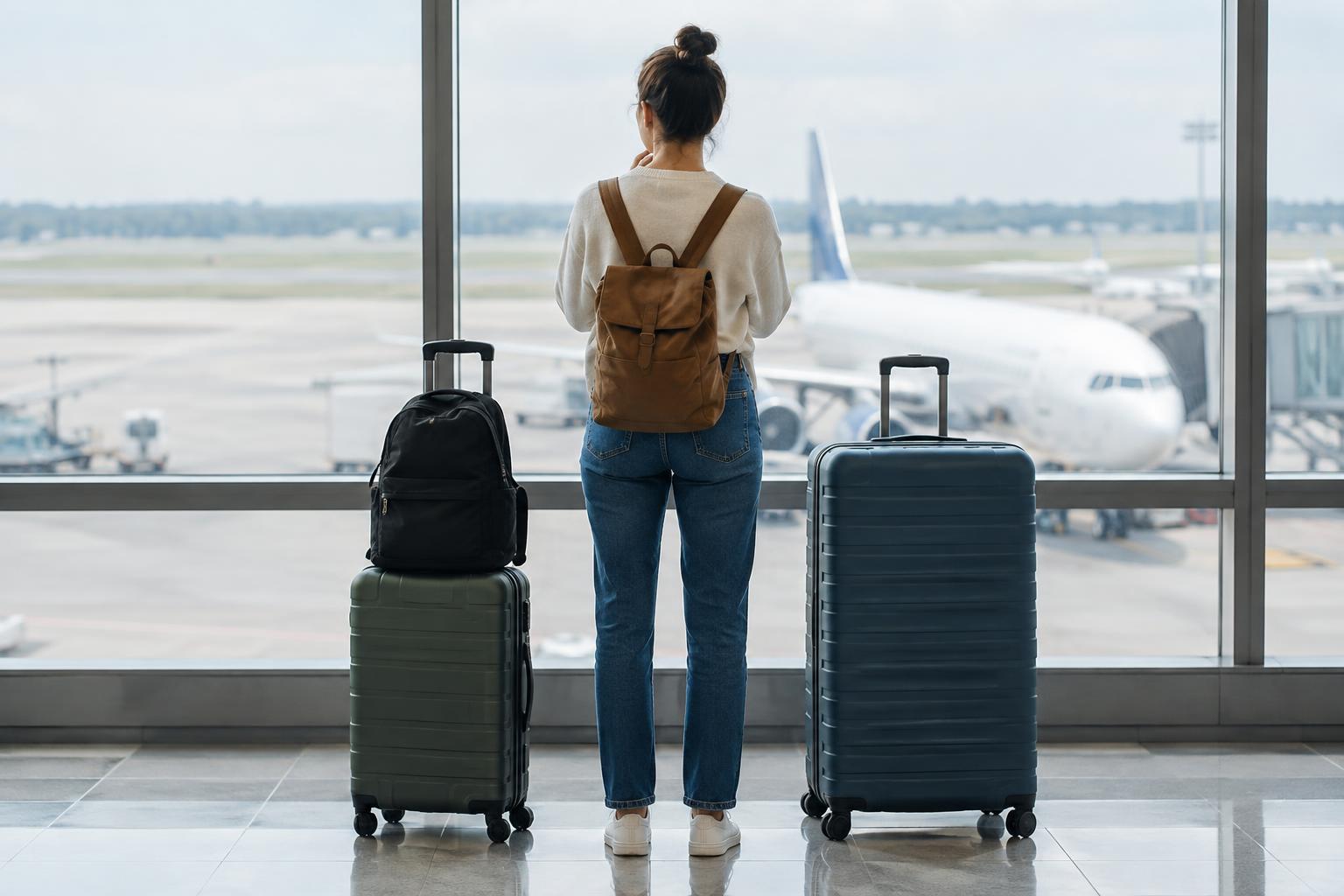
A carry-on can make a trip feel simpler: you have your belongings with you and do not need to wait at baggage claim. A checked bag gives you more room and keeps a heavy suitcase out of the cabin. Neither is automatically the better choice. The useful question is which option makes the whole journey easier, from leaving home to reaching your accommodation.
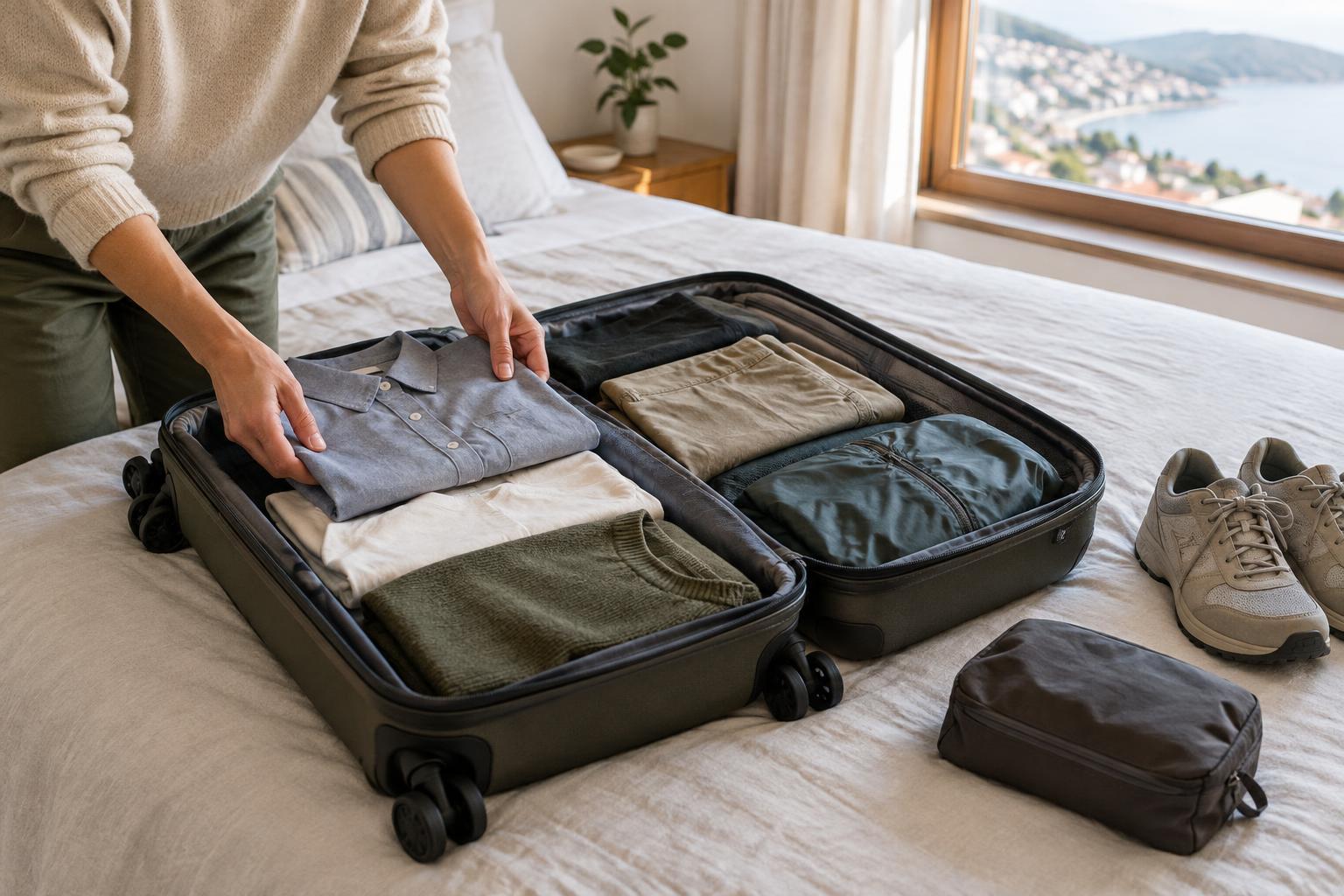
Consider the length of the trip, but give equal weight to what you will do. A week in one warm-weather city may fit comfortably in a carry-on if you can repeat outfits or do laundry. A shorter trip involving hiking gear, formal clothes and several climates may call for a checked bag. Make a rough packing list before choosing luggage; it is easier to evaluate a real set of items than an imagined suitcase.
Check what your ticket actually includes
Before you commit to a bag, look at the baggage terms for every flight on your itinerary. Airlines and ticket types can differ on permitted dimensions, weight, personal items and checked-bag fees. A cabin suitcase that works on one flight may not meet the rules for another, especially if your journey uses different airlines. Measure the bag itself, including wheels and handles, rather than relying only on its label.
Compare the total cost rather than the headline fare. If bringing a cabin bag costs extra, or a checked bag is included, the cheapest-looking option may not stay cheapest. Also consider what you would do if a full flight required your cabin bag to be placed in the hold. Keep medication, identification, travel documents, valuables and anything needed soon after arrival in a smaller bag that stays with you, subject to the applicable rules.
Think through the journey after landing
Your route on the ground can matter as much as the flight. If you will change trains, climb stairs, walk across uneven streets or move between several hotels, a smaller, lighter bag is often easier to manage. Carry-on travel may also suit a short connection or an itinerary where you want to leave the airport promptly. Pack to a weight you can lift and carry comfortably, not merely one that fits an airline limit.
A checked bag may be convenient when you can go directly from the airport to one base and unpack there. It can also spare you from maneuvering a bulky case through the cabin. The trade-off is that you will need to allow time to collect it and plan for the possibility that it does not arrive when you do. Put one change of clothes and essential toiletries in your cabin bag if you can.
Let your packing needs settle close calls
Some trips naturally favor more space. Cold-weather layers, specialist equipment, gifts and clothing for different activities can fill a small case quickly. Checking a bag may also be simpler if you plan to carry items that are restricted in cabin baggage. Rules for liquids, tools, batteries and sporting equipment vary by route and carrier, so check the requirements for your specific items before packing either bag.
On the other hand, a carry-on becomes more practical when you can build outfits around a few compatible pieces, wear your bulkiest shoes in transit and use laundry facilities. Leave a little spare room instead of packing the case to its limit: repacking is less frustrating when everything does not have to fit perfectly. If souvenirs are part of the plan, decide in advance whether you have room for them or need another way to bring them home.
Choose a setup you can live with
You do not have to make an all-or-nothing choice. For a long or gear-heavy trip, a checked bag plus a small personal bag can keep essentials close without forcing every item into the cabin. For a lighter trip, a carry-on suitcase or backpack plus a compact personal item may be enough. If traveling with others, discuss how many bags the group can comfortably move together rather than assuming each person needs the same setup.
Once you have picked an approach, do a trial pack and carry the bag around your home. If it is difficult to lift, close or organize, revise the contents before departure. Check your booking’s baggage terms again, then place essentials where you can reach them. The right choice is the one that accommodates what you genuinely need while making the least demanding parts of travel—not just the flight—feel manageable.