Start with the experience you want
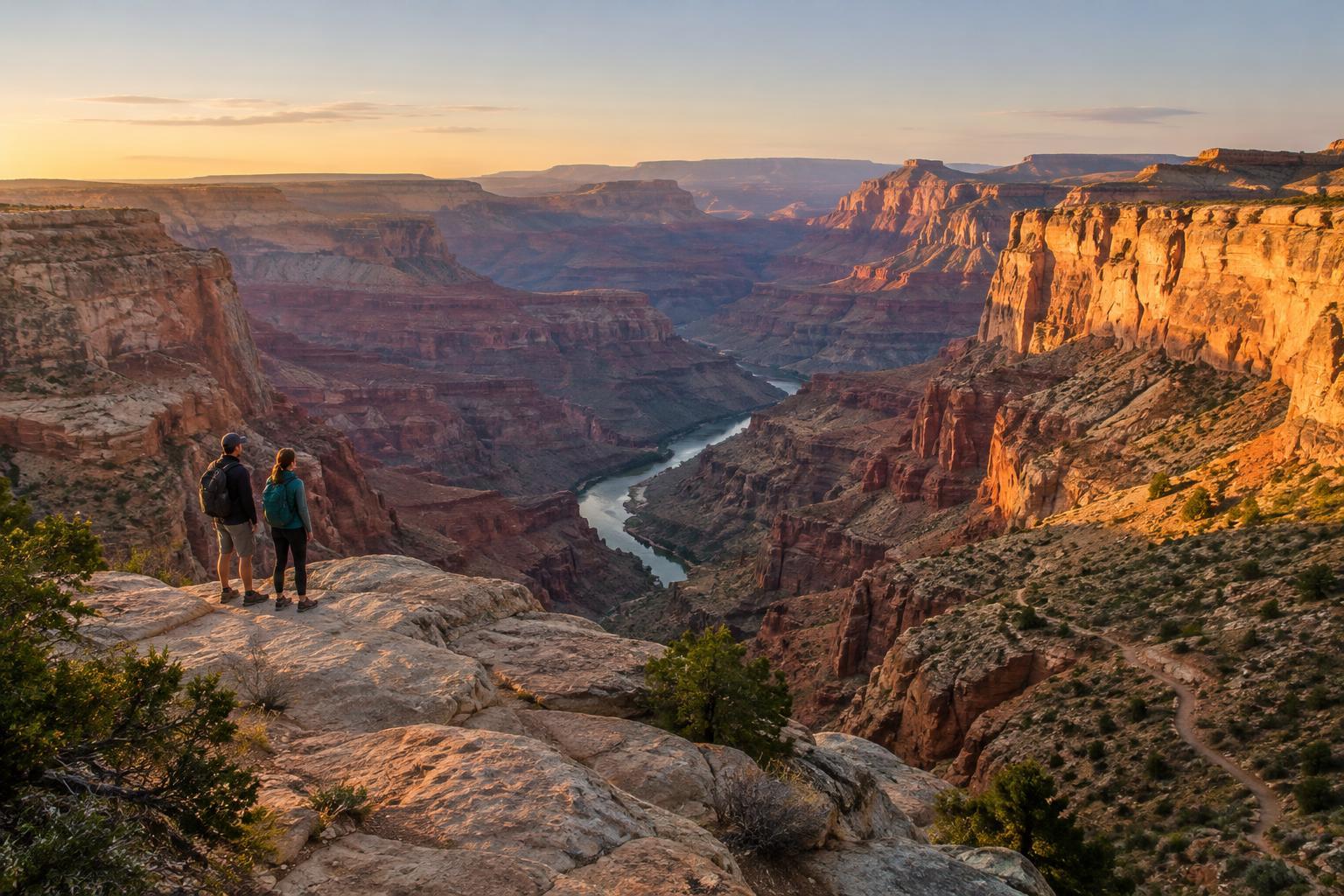
Canyons invite two different kinds of travel. From a viewpoint, you can take in the shape of an entire landscape: cliffs, bends in a river and layers of rock stretching toward the horizon. On a trail, the canyon becomes more immediate. You may notice changing temperatures, textured walls and the scale of a cliff that looked small from above. Neither experience is the lesser version of the other; they ask for different amounts of time and effort.
Before choosing a destination, decide what would make the trip memorable for you. Is it a wide panorama you can share with companions of varying mobility? A quiet morning walk? A challenging descent? Your answer will help you choose not only a canyon but also where to stay, how long to visit and whether you need specialist planning.
Match the canyon to your preferred pace
The Grand Canyon in the United States is a useful example of a place where a rim-focused visit can be rewarding on its own. A series of viewpoints lets you see the landscape from different angles without committing to a descent. Going below the rim changes the experience considerably, but the climb back is a major part of any hiking plan.
France’s Verdon Gorge offers another style of trip, with dramatic views from roads and stops as well as opportunities to explore on foot. In Peru, the Colca Canyon region can appeal to travelers who want to combine scenery with visits to nearby communities, though travel between places and the effects of elevation deserve space in the itinerary. South Africa’s Blyde River Canyon is an option for travelers drawn to greener canyon scenery and scenic overlooks. These are starting points for comparison, not interchangeable trips: transport, weather, access rules and suitable walking routes differ.
What viewpoints do well
A viewpoint-based day can suit a short visit, a mixed-ability group or travelers who want time for photography and unhurried stops. It may also be easier to fit into a wider road trip. A lookout still requires planning, though. Check how far parking or public transport is from the view, whether the approach has steps or uneven ground, and whether the route between stops leaves enough time to enjoy them.
Rather than collecting as many overlooks as possible, pick a small number with different perspectives. One might show the canyon’s overall shape, while another reveals a river bend or a closer view of the rock. Light can alter the appearance of a canyon through the day, but there is no need to build an itinerary around a single perfect photograph. Allow room for changing weather, rest breaks and the pleasure of simply looking.
What changes when you take a trail
A trail offers a slower, more physical encounter with a canyon. It can also demand more preparation than its distance suggests. In many canyons, descending is the easy-feeling half and returning uphill takes more time and energy. Elsewhere, routes may involve exposed edges, stream crossings, rough footing or little shade. A trail’s published length is only one measure of difficulty; elevation change, surface and available turnaround points matter too.
Choose a walk you would be comfortable completing in the conditions you expect, with a margin for delays. Carry water, food, weather-appropriate layers and a way to navigate that does not depend entirely on a phone signal. Tell someone your plan if heading onto a less-used route. Check official local information shortly before setting out for access requirements, closures and hazards. If a guided visit is required or simply better suited to your comfort level, treat that as part of the trip rather than an obstacle to it.
Build an itinerary with room to change course
For a first canyon visit, a flexible plan often works best: make the viewpoints your foundation and add one manageable walk if conditions and energy allow. If hiking is the main purpose of the trip, reverse the priorities. Select a suitable trail first, then use overlooks as a way to appreciate the wider landscape before or after it. That approach helps prevent an ambitious walk from being squeezed into a day already full of driving.
Budget for the practical pieces as well as the destination itself: transport between access points, accommodation near your chosen route, any required entry or guide arrangements, and gear you may not already own. A canyon viewed from the rim can be a complete bucket-list experience. A trail can be deeply rewarding too. The right choice is the one that lets you pay attention to the place while staying within your time, abilities and appetite for effort.