Choose an event that fits your trip
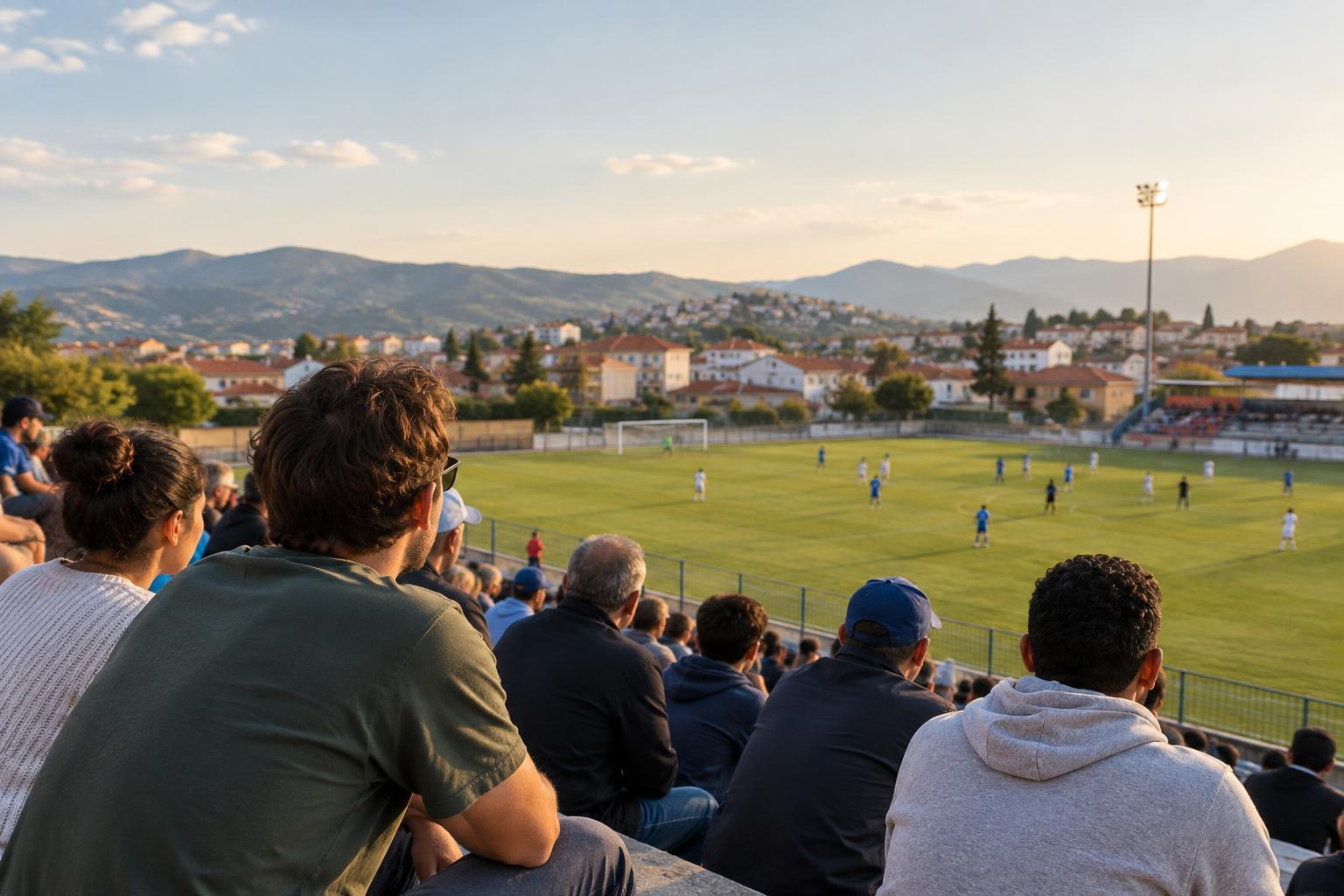
A sports match can be a way to spend an afternoon or evening alongside local fans, even if you know little about the game. Start with the experience you want. A small community fixture may feel relaxed and easy to navigate; a major rivalry may be louder, busier and more demanding. Neither is automatically the more authentic choice. Pick an event whose pace and setting suit your comfort level.
Before committing, check the venue’s location, the expected duration and whether the match could run late. Look for basic information about seating, accessibility and entry rules. If you are unfamiliar with the sport, learn just enough to recognize how points are scored and when play stops. You do not need to become an expert to enjoy the crowd’s reactions.
Buy a suitable ticket and leave room in the schedule
Use the venue’s or organizer’s stated ticket channels where possible, and read what your ticket includes. Seating sections can have different expectations: some are designed for standing, singing or sustained cheering, while others may be quieter. If the descriptions are unclear, ask the ticket seller or your accommodation for help rather than guessing from a seating chart.
Build a little flexibility around the event. Entry lines, security checks and finding your section can take time, especially at an unfamiliar venue. Avoid placing a time-sensitive reservation immediately after the match; play may finish later than you expect, and getting out with the crowd can be slow. A smaller event can still deserve a generous time window if the ground is far from where you are staying.
Follow the venue’s rules and the crowd’s lead
Check the venue’s guidance on bags, food, drinks, cameras and re-entry before you set out. Rules vary, and an item you could bring to one match may not be allowed at another. Keep your ticket accessible and follow directions from staff, particularly when moving between sections or leaving your seat.
Once inside, watch before joining in. Chants and gestures may have meanings that are not obvious to a visitor. You can applaud a good play, enjoy the music and share the excitement without copying every word or action. If you are unsure whether a chant targets someone, let it pass. Treat players, officials and other spectators as people rather than material for a travel story; ask before taking a close-up photo of a stranger.
The atmosphere may be expressive without being an invitation to argue. If another spectator explains a rule or tradition, listen and thank them, but do not expect anyone to serve as your guide throughout the match. Following the people around you when it is time to stand, sit or make space is often more helpful than trying to perform enthusiasm.
Plan your arrival and departure
Work out your route in both directions before match day. A venue that is simple to reach may be harder to leave when many spectators depart together. Note the nearest transit stops, any walking distance after dark and a backup way back to your accommodation. Check whether the services you intend to use will still be running when you leave.
Carry what you need, but keep it light enough to manage in a crowd. Weather protection, water if permitted and a charged phone may be more useful than extra gear. Agree on a meeting point outside the main flow of people if you are attending with others. If the area feels uncomfortable at any point, follow staff instructions and move toward a calmer, well-lit place rather than pushing through a crowd.
Let the match be part of the day, not a test
You might leave with a new favorite sport, or you might remember the walk to the ground and the shared anticipation more than the score. Both are worthwhile outcomes. Notice ordinary details: how families arrive, what refreshments are available and how the neighborhood changes before and after the event. Enjoy them without assuming one match represents an entire city or culture.
Afterward, give yourself time to leave at the pace of the crowd. Keep entrances clear if you stop to check directions or take a final photo. The aim is not to prove that you belonged there; it is to take part as a considerate guest and leave space for the people for whom the venue is a familiar gathering place.