Seven days out: check the plans you cannot easily fix later
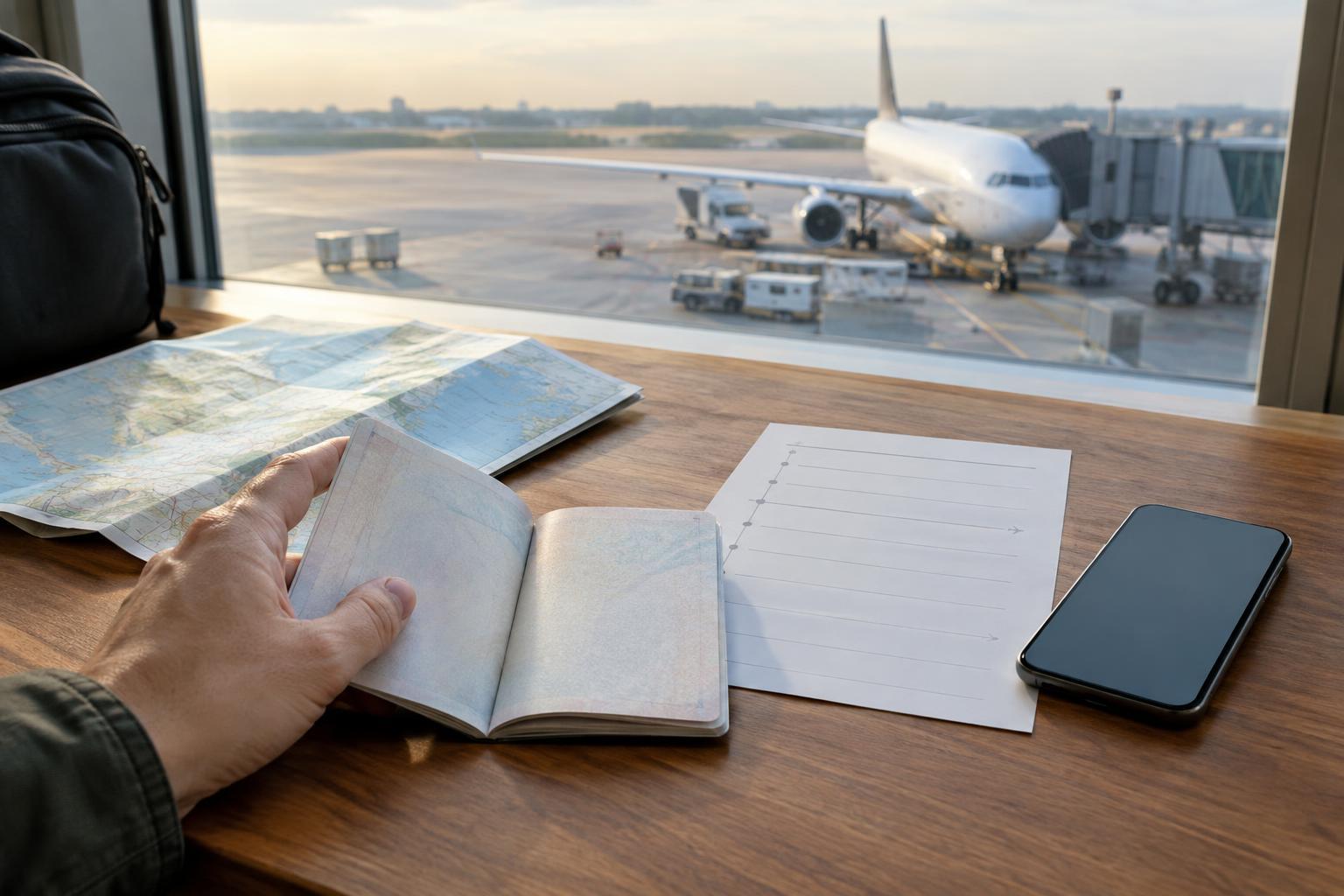
Start with the parts of your trip that would be difficult or expensive to correct at the last minute. Check that the names, dates and destinations on your transport and accommodation bookings match your plans. Note the departure location for each flight, train, bus or ferry, and look at how you will get there. If you have several bookings, put their confirmation details in one place rather than searching through messages on departure day.
Review the entry and identification requirements that apply to your route and circumstances. Check the validity of the document you intend to travel with, and make sure you know where it is. Requirements can vary by destination, nationality and transit point, so use the relevant official guidance rather than assuming the rules are the same as on a previous trip. If an important document is missing or a booking detail is wrong, dealing with it now gives you more room to respond.
Make a short list of anything still unresolved: an airport transfer, a timed attraction booking or the address of your first night’s stay, for example. Focus first on essentials. An unfinished sightseeing plan can wait; an unclear arrival plan deserves attention.
Five to six days out: build a useful trip folder
Gather the information you are likely to need in transit: booking references, accommodation addresses, transport details, insurance information if you have a policy, and contact details for anyone you are meeting. Save accessible copies on your phone and consider an offline copy or a small paper backup for details you cannot afford to lose when a connection is unavailable. Keep sensitive information somewhere reasonably secure rather than in a publicly shared document.
Look at the first day of your itinerary from the perspective of a tired arrival. How will you get from the station or airport to your accommodation? Is there a check-in window, an entry code or a message you need to send? Knowing those answers can make the beginning of a trip feel much simpler. If you are traveling with someone else, agree on who holds which details and what you will do if you get separated.
This is also a good point to check your payment options. Confirm that the cards and methods you plan to use are available to you, and consider a backup that is stored separately. You do not need to organize every hour of the trip; the goal is to make the essential information easy to find.
Three to four days out: pack for the actual itinerary
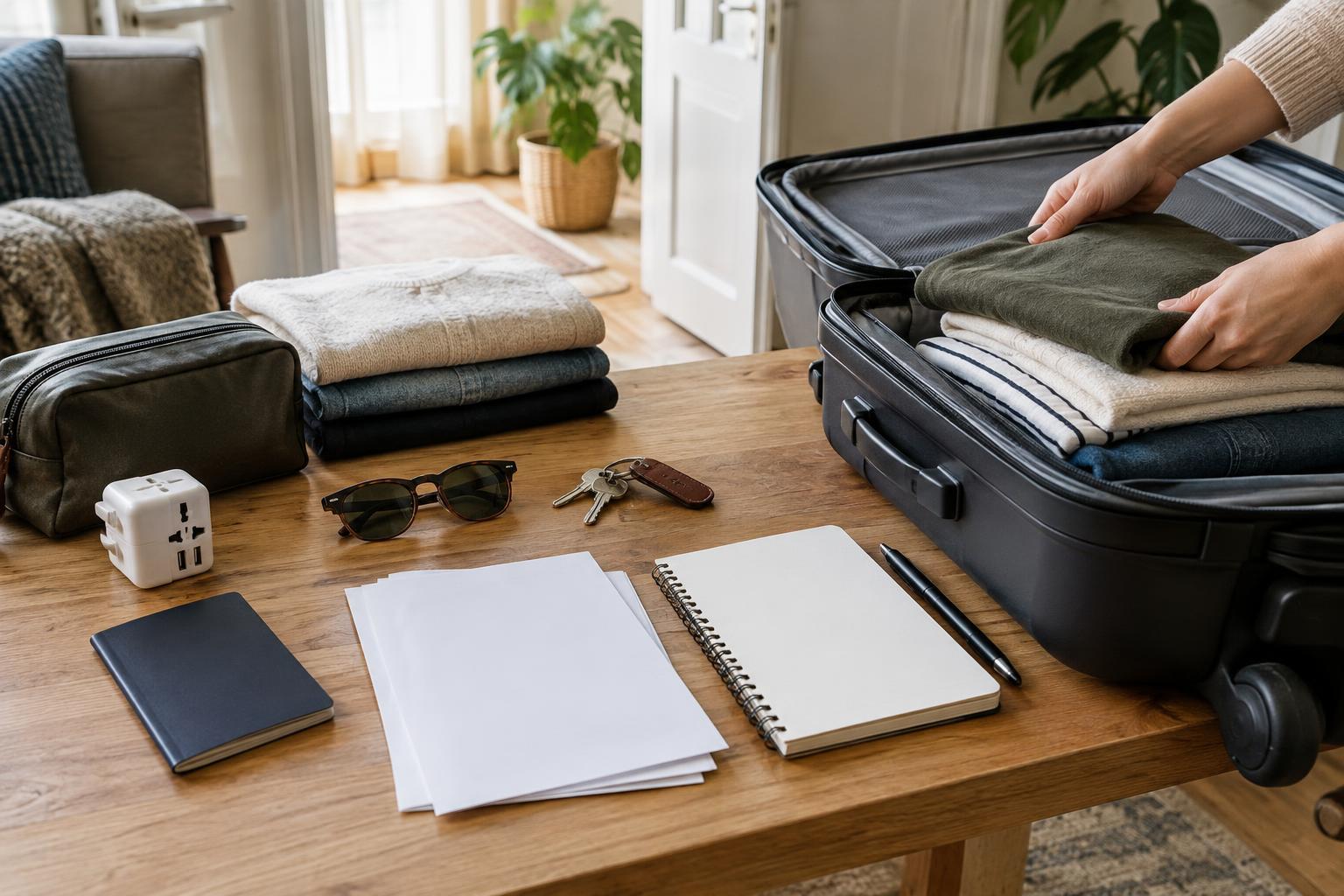
Check the expected conditions for your destination and compare them with what you have planned, including walking, outdoor activities and any places with a dress code. Lay out the clothes and shoes you expect to wear, then remove items that do not serve a clear purpose. Layers and pieces that work together may be more useful than a separate outfit for every possible scenario. Check your transport provider’s baggage rules before deciding which bag to use.
Set aside the small essentials that are easy to forget: chargers, any necessary plug adapter, glasses or contact lens supplies, toiletries and items you use regularly. If you take medication, make sure you have what you need for the trip and check any relevant transport or destination requirements for carrying it. Keep items you will need during the journey in an accessible bag, within the rules for your mode of transport.
Do a trial pack while you still have time to adjust. Lift the bag, walk around with it and make sure you can find important items without unpacking everything. A manageable bag matters most when your route includes stairs, transfers or a long walk to your accommodation.
Two days out: leave home ready for your return
A simple home checklist can spare you from wondering mid-journey whether you left something undone. Take care of dishes, rubbish and food that will spoil before you return. Check laundry that you need for the trip, charge devices and decide which appliances you normally unplug when away. If someone will care for a pet or plant, leave clear instructions, supplies and a way to reach you.
Think through deliveries and access to your home. Pause or redirect anything that should not sit outside, if that is practical for you. If a trusted person needs a key, arrange the handoff before the last evening. You may also want to tell someone you trust your broad travel plans and how to contact you, without sharing more detail than you are comfortable sharing.
Keep this part proportional to the length of your trip. A weekend away does not need the same preparation as several weeks abroad. The aim is to handle the few tasks that would otherwise follow you mentally out the door.
The final day: simplify departure morning
Check the latest information from your transport provider, including your departure time, terminal or platform where available, baggage allowance and check-in process. Work backward from when you need to leave home, allowing time for the journey and reasonable delays. If you need a taxi, a lift or public transport at an unusual hour, confirm that plan. Set an alarm with enough time to eat, dress and make one final check without rushing.
Put your travel document, wallet, phone, keys and essential medication in a consistent place or in your personal bag. Charge your phone and any power bank, and download details you may need offline. Before leaving, do a brief walk-through: windows, lights, rubbish, bags and the route to your departure point.
Once the essentials are handled, stop adding tasks. A final-week checklist works best when it reduces decisions, not when it becomes another ambitious project. Leave room for a normal night’s rest and for the small surprises that travel can bring.